Douglas County Sheriff’s Office Employees Vote Down Union; County Appeals CDLE Ruling
Douglas County Sheriff’s Office employees voted against FOP representation; the county has appealed a Nov. 1, 2024 CDLE finding that Sheriff Darren Weekly, Undersheriff David Walcher and commissioners broke state labor law.

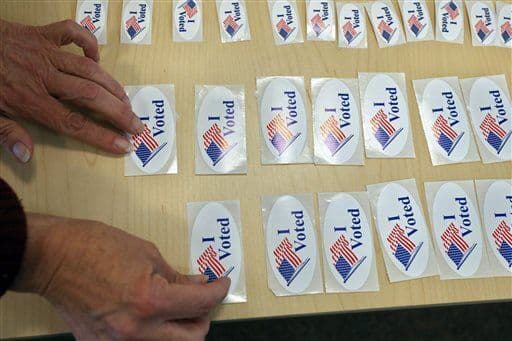
Douglas County Sheriff’s Office employees voted against union representation, a result posted by the Board of County Commissioners on Feb. 19, 2026, while the county simultaneously pursues an administrative appeal of a Colorado Department of Labor and Employment ruling that found county leaders unlawfully discouraged the drive. The CDLE order, dated Nov. 1, 2024, determined that Sheriff Darren Weekly, Undersheriff David Walcher and the Douglas County commissioners engaged in conduct intended to dissuade roughly 400 deputies and other sheriff’s office employees from joining the Fraternal Order of Police.
The Board of County Commissioners’ Feb. 19 message thanked employees and reiterated the board’s preference for a non‑union workplace, saying, "The Board of County Commissioners appreciates the thoughtful consideration given to this important decision." The message added that "Douglas County’s culture of direct communication, competitive compensation, and strong leadership provides the best environment for our public safety professionals to thrive without the need for third‑party representation" and pledged to "remain committed to maintaining open dialogue with employees, investing in public safety, and ensuring that residents continue to receive the high level of service they expect and deserve."
CDLE’s order described specific actions by county officials that the agency found unlawful, including an extended email campaign and mandatory meetings. The CDLE determination cites an email from Undersheriff David Walcher dated March 29 that said he was "tired of the unionization effort" and suggested employees should vote "no," and notes Walcher stated he believed unionization would be detrimental and expressed a desire to "get back to business instead of being paralyzed and sitting on the status quo." The order also faulted use of county resources to oppose the effort, including a publicly funded video released by county commissioners and nearly $130,000 in taxpayer money spent on consultants to deliver anti‑union messages, and ordered the sheriff’s office to cease unfair labor practices and post notices informing employees of their rights.
Sheriff Darren Weekly defended actions taken in the campaign, saying he "simply shared accurate information so they could make an informed decision." Despite that defense, the county has filed an administrative appeal with the state Labor Department and separately filed a lawsuit in Denver District Court in May arguing that the 2022 Collective Bargaining by County Employees Act does not apply to sheriff’s employees; the complaint lists Sheriff Weekly and the county commissioners as plaintiffs and names the state Labor Department as defendant.

The Fraternal Order of Police and its labor counsel framed the CDLE finding as consequential. A FOP spokesperson called the outcome a "significant victory for Douglas County Deputies and all public employees who demand a fair, lawful, and respectful workplace." Sean McCauley, general counsel for the Colorado FOP Labor Council, said the CDLE action "is going to have an effect not only in Douglas County, but it’s a message to other sheriffs statewide that this type of conduct is not going to be tolerated by the Department of Labor, and they’re going to do something about it," and added that county tactics were "how blatant their actions were in this case."
The county’s Feb. 19, 2026 post confirms the vote preserves the sheriff’s office’s non‑union status but did not publish vote totals or the exact date ballots were cast. With roughly 400 employees identified in the CDLE record as the electorate targeted by county communications, the outcome follows a multiyear clash over implementation of the 2022 Collective Bargaining by County Employees Act and could carry statewide precedent if the Denver District Court litigation and the county’s administrative appeal are upheld or reversed.
For residents tracking public safety governance in Highlands Ranch, Parker, Castle Rock and other Douglas County communities, the dispute moves next into courtrooms and administrative hearings where the applicability of COBCA to sheriff’s employees and the limits on official speech will be litigated. Sheriff Weekly continues to exercise statutory authority over other county operations, most recently issuing Stage 1 Fire Restrictions for unincorporated areas under Ordinance No. O-012-004, underscoring that the same office at the center of the labor dispute retains broad operational responsibilities while legal challenges proceed.
This article was produced by Prism’s automated news system from verified source data, official records, and press releases, then run through automated quality and moderation checks before publishing. The system is built and supervised by the people who set the standards it runs under. Read our full AI policy.
Did this article answer your question?