Douglas County Water Commission Partners With Providers to Plan Sustainable Future
Five of Commissioner George Teal's picks for Douglas County's new water commission contributed to his campaigns, including two principals from a firm pushing a controversial San Luis Valley water pipeline.
Five of Commissioner George Teal's eight nominees for Douglas County's new Water Commission made substantial contributions to his political campaigns, including two principals from Renewable Water Resources, the firm that has been lobbying to pipe groundwater from the San Luis Valley into Douglas County. That proposal has drawn stiff opposition from governments throughout the valley, raising questions about who will shape the county's long-term water future as the commission prepares to convene water providers on March 23.
During a Monday discussion, Teal announced his eight picks: three for his own district, three for another district, and two at-large members. The full list of applicants for the 11-member commission has been kept confidential. The commission will ultimately include three representatives from each of the county's three districts alongside those two at-large seats.
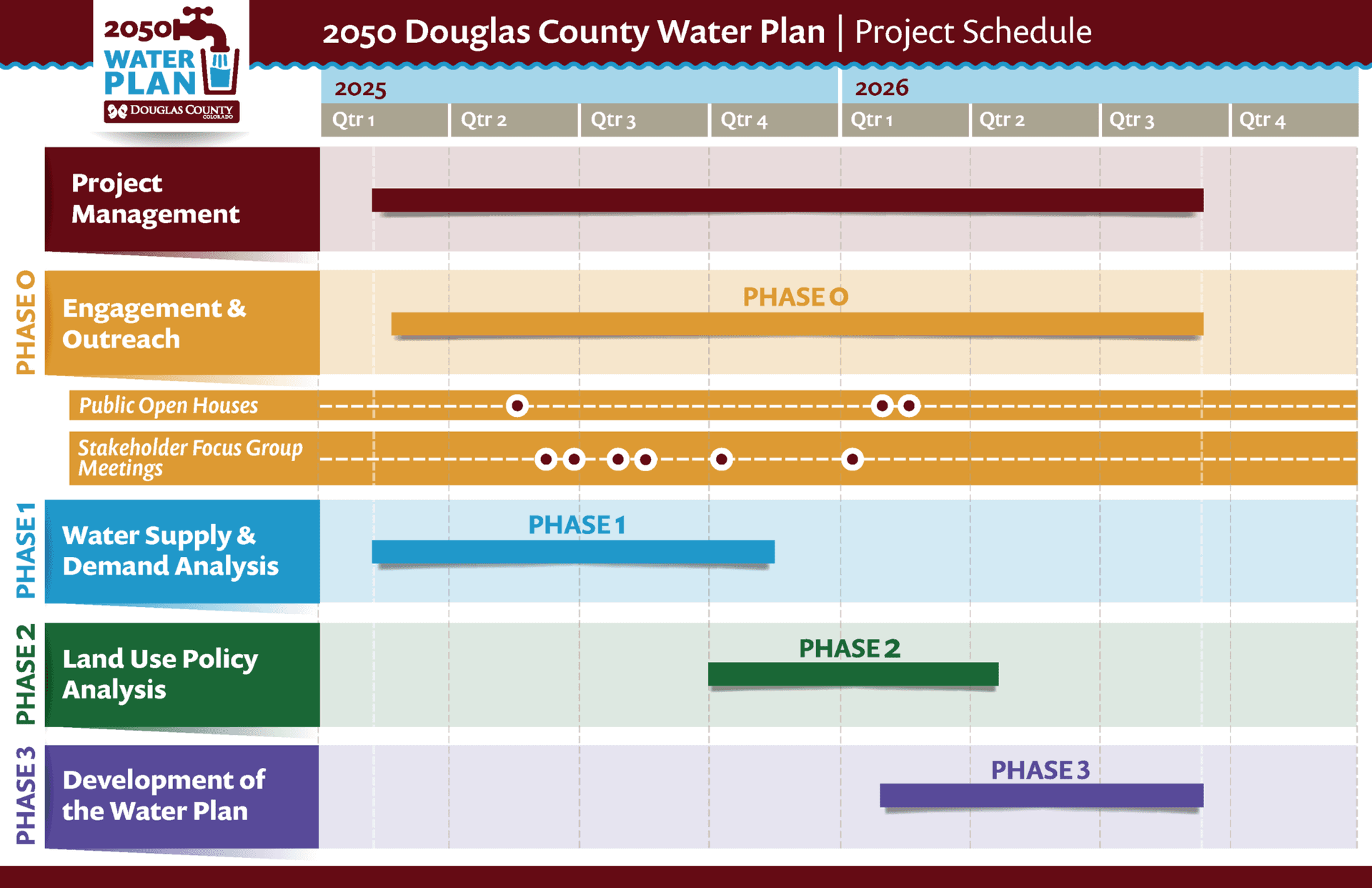
The stakes of those appointments are significant. The Water Commission is charged with leading the 2050 Douglas County Water Plan, an 18-month planning effort designed to evaluate current supplies, analyze demand, and identify strategies for the county's long-term water future. The plan will focus primarily on unincorporated areas of Douglas County while also providing data and partnership opportunities to incorporated areas and water providers.
Laydon, whose first name and title were not available, said county residents have asked for a water plan for years. The vision, as described, is a commission that will work with providers to "ensure an adequate water supply in terms of quantity, quality and dependability" for both existing and future development, while engaging in public outreach, promoting cooperation among water plan participants, and identifying opportunities for conservation and efficiency.
That intersection of growth and water supply is precisely the challenge Douglas County faces. Will Koger, who recently spoke to the Water Commission about his work in neighboring El Paso County, said the state's water plan "really highlighted a disconnect" between how local officials plan for property development and how they plan for future water supply. The Colorado Springs area, which falls in El Paso County, has experienced massive growth in recent decades and offers a cautionary case study for commissioners here.
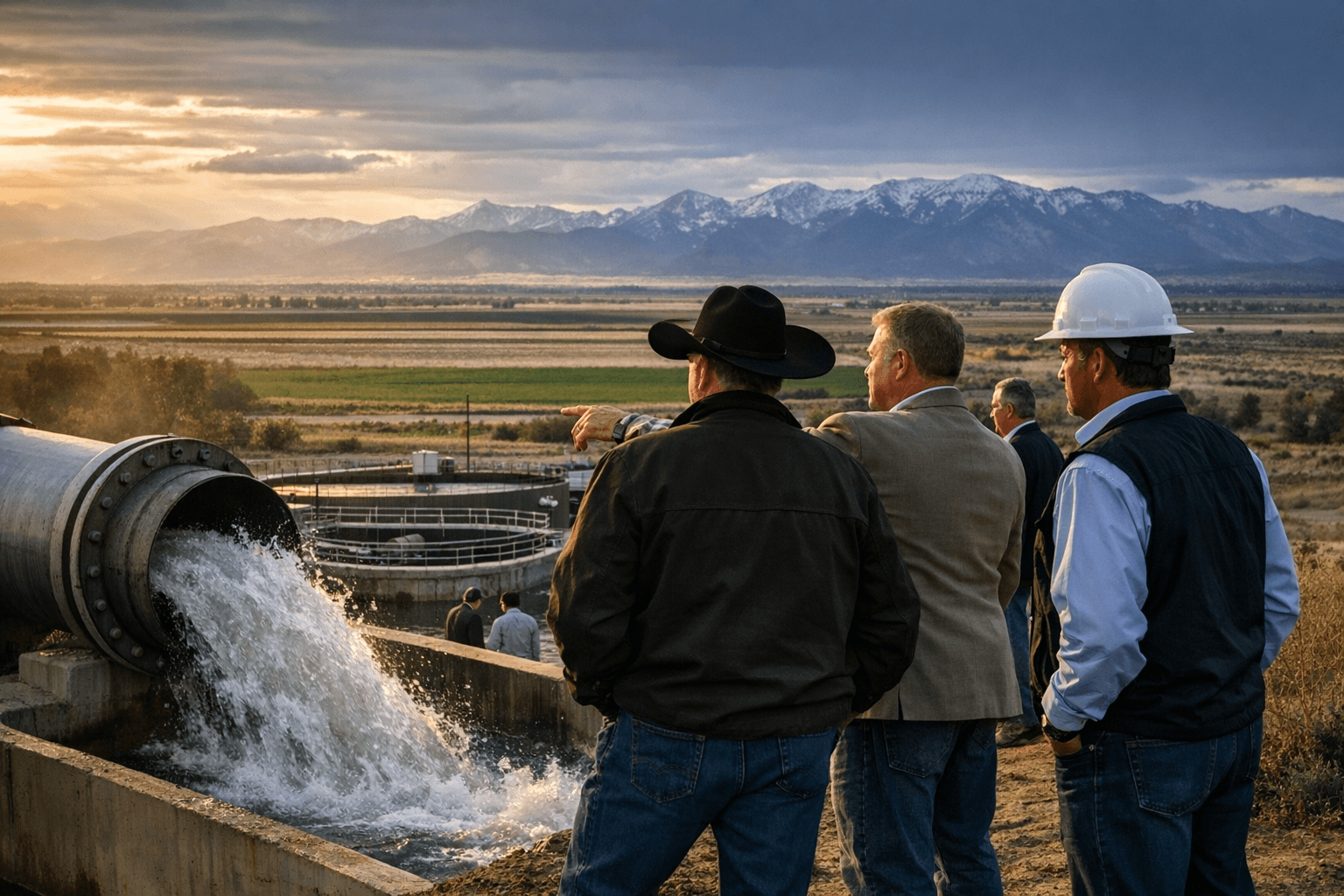
Part of the complexity is structural. Counties and cities govern how land develops, but they are not always in control of the water that serves those developments. Highlands Ranch, for example, gets its water through Centennial Water and Sanitation, an independent district. The commission will need to coordinate across those institutional boundaries to build a coherent county-wide strategy.
Colorado's 2015 water plan framed the challenge plainly: "The manner in which Colorado develops into the future will have a strong influence on Colorado's future water supply gap, and vice versa." The same plan pointed to concrete land-use tools as part of the solution, including higher-density developments, tap-fee incentives for water-efficient construction, smaller lawns, and efficient indoor fixtures and appliances.
The Douglas County Water Commission held its first meeting in December and is still in the early stages of grappling with the varied and complex issues involved. The March 23 meeting with water providers represents one of its first substantive planning sessions. The county describes the 2050 plan as a community-driven effort and is seeking public input to shape the strategies that will guide decisions for generations. The project schedule, updated as of August 2025, is available for download alongside a fact sheet on the county's website.
This article was produced by Prism’s automated news system from verified source data, official records, and press releases, then run through automated quality and moderation checks before publishing. The system is built and supervised by the people who set the standards it runs under. Read our full AI policy.
Did this article answer your question?