Douglas County weighs Colorado wildfire code as debates spread south metro
Douglas County neighborhoods from Sterling Ranch to Castle Pines faced a new wildfire code that could add tens of thousands to new homes, deepening the fight over safety and affordability.
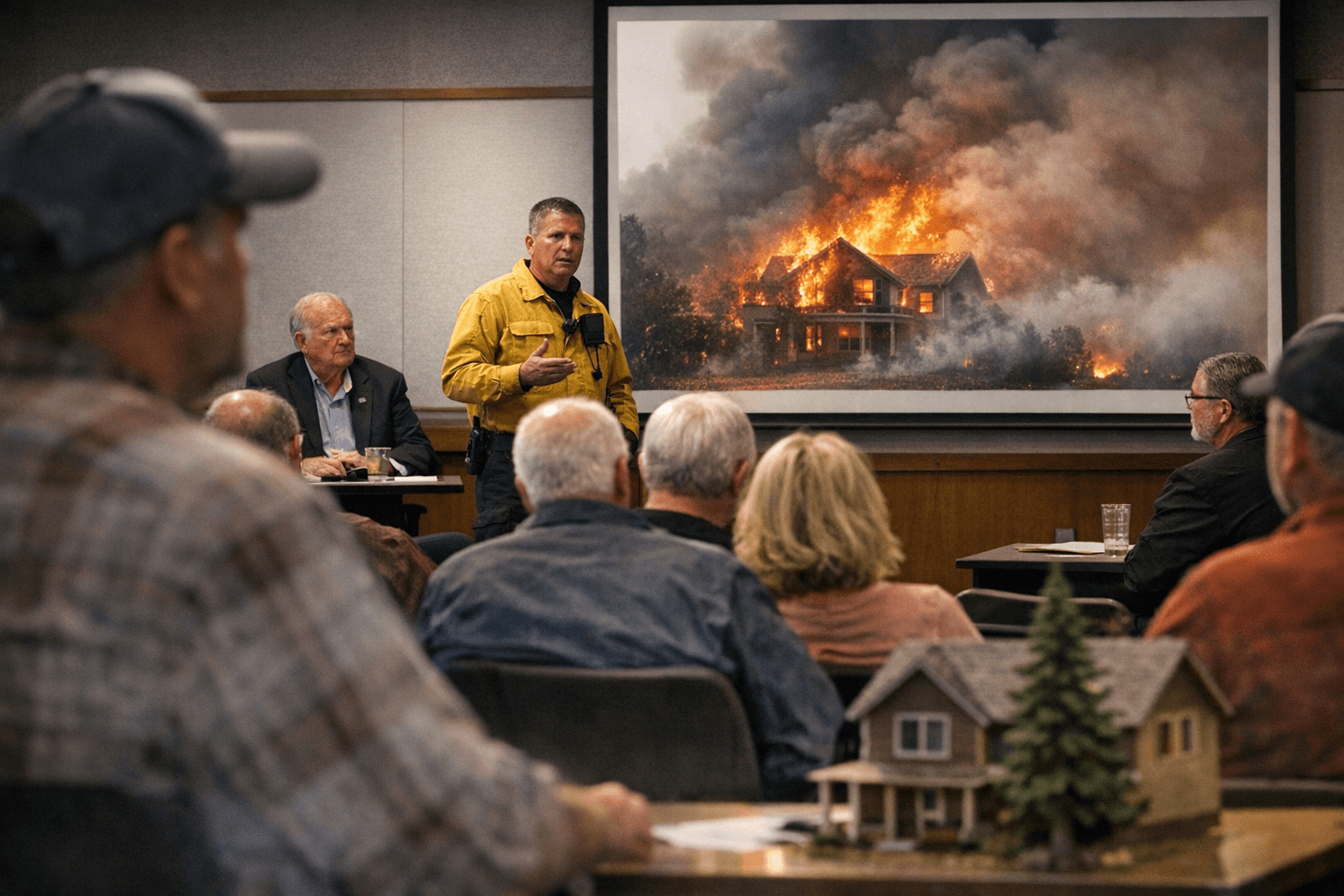
Douglas County found itself in the middle of Colorado’s new wildfire resiliency fight as south metro communities split over a code that reaches beyond the mountains and into suburban neighborhoods marked as risk areas on the state map.
The Colorado Wildfire Resiliency Code, developed by the state board created under Senate Bill 23-166 in 2023, is aimed at hardening structures and creating defensible space in the wildland-urban interface. It applies to new construction and significant exterior alterations and additions, and the state has made clear it is not a retrofit code for existing homes. The Division of Fire Prevention and Control published the code on June 1, 2025, with state materials saying jurisdictions were expected to adopt it by April 1 and begin enforcement no later than July 1.
That timeline has put builders, planners and homeowners in Douglas County on the clock. Communities such as Sterling Ranch, Lone Tree and Castle Pines sit in a part of south metro Denver that is mostly urban, yet the state’s wildfire mapping still flagged pockets of homes as exposed to risk. That has created a local divide, with some residents and leaders treating the code as a practical response to real fire danger and others questioning how far Colorado should reach into suburban development standards.
The debate is not limited to forest edges or mountain subdivisions. State and local descriptions of the code show it reaches into ordinary construction and landscaping decisions, including exterior-structure requirements and keeping combustible materials away from a home’s immediate perimeter. Denver7 reported that homeowners were already asking contractors how to make exteriors more fire-resistant, and that free wildfire-assessment help was drawing interest as people tried to understand both compliance and insurance concerns.
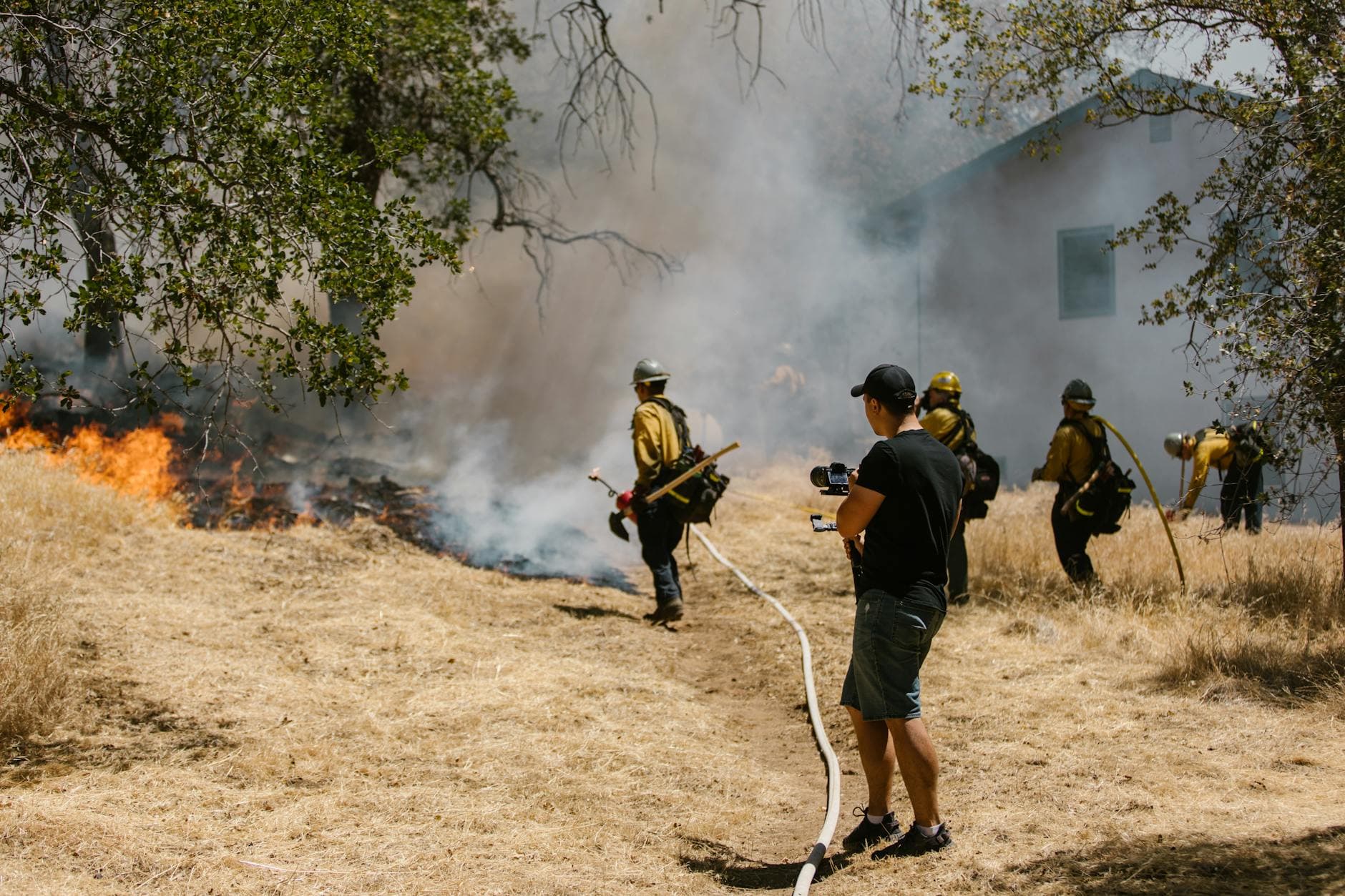
The financial stakes are substantial. Colorado Politics reported builder estimates that wildfire-code requirements could add about $38,000 to a single-story home and as much as $48,000 to a two-story house. That kind of increase sharpened the argument in Douglas County, where growth pressure, housing affordability and insurance costs already shape decisions about what gets built and where.
State officials have defended the code by pointing to the scale of Colorado’s wildfire losses. Colorado Politics reported that in the prior three years, the state had experienced three of its largest wildfires and its single most destructive wildfire, reinforcing why wildfire policy has moved from a niche rural issue to a statewide safety question.
For Douglas County, that shift matters now. The new rules will not remake every existing neighborhood, but they will influence the cost and design of future homes, the expectations of buyers, and the standards local governments and HOAs set as south metro continues to grow into areas where fire risk can no longer be treated as someone else’s problem.
This article was produced by Prism’s automated news system from verified source data, official records, and press releases, then run through automated quality and moderation checks before publishing. The system is built and supervised by the people who set the standards it runs under. Read our full AI policy.
Did this article answer your question?