Federal Court Dismisses Religious Discrimination Suit Against Douglas County School District
A federal judge dismissed religious discrimination claims filed by former Ponderosa High School administrator Corey McNellis, finding he had not proven the allegations tied to his termination. The ruling resolves a contentious employment dispute that raises questions about staff protections and accountability in Douglas County schools.
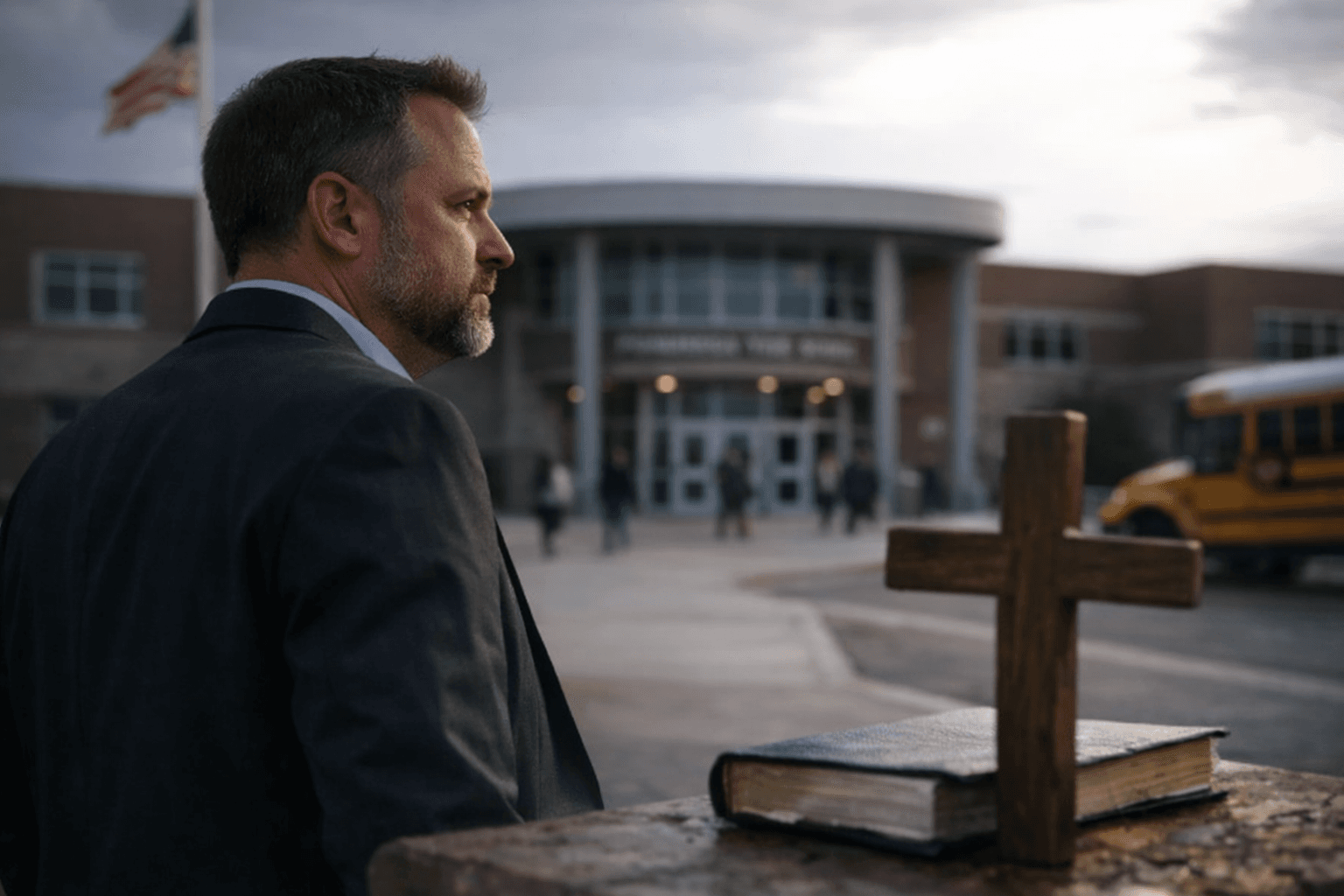
A federal judge dismissed religious discrimination claims brought by a former Douglas County School District administrator, ruling that the plaintiff had not met the burden of proof on his allegations connected to his termination. The decision, issued December 30, 2025, closes a chapter in a case that drew attention among school staff and parents for its focus on workplace fairness and religious accommodation in the public school setting.
Corey McNellis, who served as athletic director and assistant principal at Ponderosa High School, alleged discriminatory treatment in connection with his removal from district employment. The complaint advanced claims under federal civil rights statutes, and the case progressed through the federal court system before the judge issued a written ruling detailing the background of McNellis' employment, the circumstances of his termination, and the legal reasoning for dismissal.
The court's opinion examined the procedural history of the litigation, evaluated the evidence offered by both parties, and concluded that McNellis had not proven the essential elements required to sustain a religious discrimination claim. The ruling recited facts about his roles at Ponderosa High School and summarized the district's actions leading up to and following the termination. The judge evaluated whether the evidence supported an unlawful motive tied to religion and found it insufficient to survive the legal standard applied in federal civil rights litigation.
For Douglas County residents, the ruling carries practical and symbolic implications. Legally, it underscores the high evidentiary bar plaintiffs face in employment discrimination actions against public employers. For school employees and families, the outcome may affect perceptions of how personnel conflicts are handled and whether school systems provide clear processes for addressing claims of bias and unfair treatment.
The case also touches on broader community concerns about equity and inclusion in public education. Even as the court closed the legal claims, the underlying questions about workplace culture, administrative transparency, and protections for staff members who raise complaints remain salient. Community members and school leaders who seek to prevent similar disputes will need to consider how district policies, training, and grievance mechanisms operate in practice.
The decision resolves the pending federal claim brought by McNellis, but it leaves intact the need for ongoing attention to personnel practices that affect staff morale and student experience. As districts nationwide navigate tensions between employment law, religious accommodation, and administrative accountability, local residents will be watching how Douglas County schools respond to calls for clearer procedures and stronger support for a diverse school workforce.
This article was produced by Prism’s automated news system from verified source data, official records, and press releases, then run through automated quality and moderation checks before publishing. The system is built and supervised by the people who set the standards it runs under. Read our full AI policy.
Did this article answer your question?