Gazette Editorial Says Flock License-Plate Cameras Boost Douglas County Public Safety
Flock license-plate-reading cameras helped identify vehicles tied to violent and property crimes in Douglas County, a development officials say strengthens public safety amid staffing shortfalls.
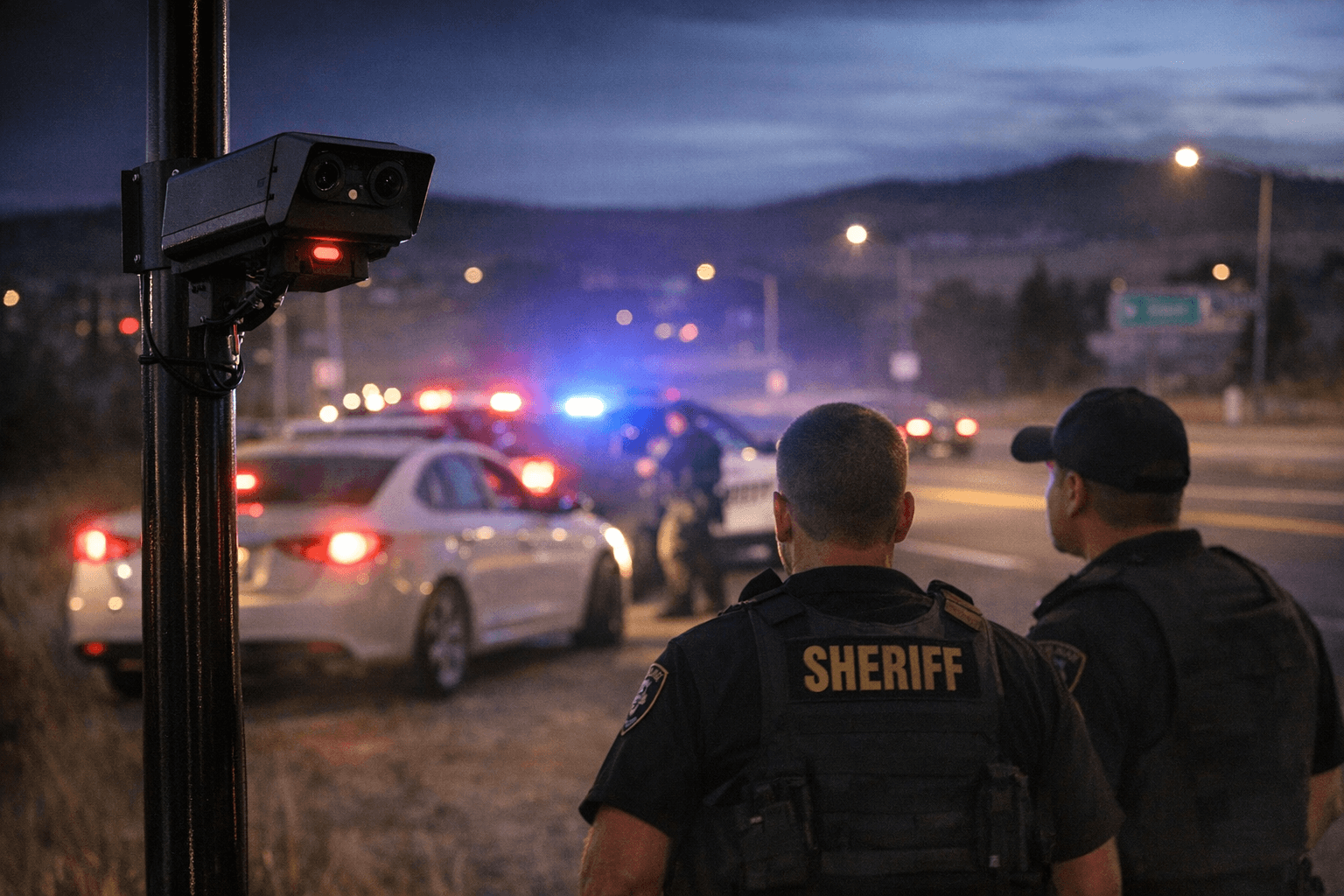
A recent editorial argued that license-plate-reading cameras from Flock Safety have become an important tool for Colorado law enforcement, including suburban agencies that serve Douglas County residents. The piece cited local instances in which camera data helped identify vehicles linked to violent incidents and property crimes, and it highlighted declines in some auto-theft measures where the technology has been used.
Flock Safety cameras capture license-plate images and create searchable logs that police use to tie vehicles to crime scenes and suspect movements. Supporters point to faster leads for detectives and a higher likelihood of vehicle identification when physical evidence is limited. Proponents framed the technology as a force multiplier for agencies grappling with staffing shortfalls and evolving crime patterns, saying the cameras supplement investigations and community reporting.
The technology’s adoption intersects with operational and policy decisions at the county level. Local agencies that deploy license-plate-reading cameras must decide contract terms, data-retention policies, and rules for interagency data sharing. Those choices affect how long records are kept, who may query the system, and how access is audited. The editorial defended Flock programs as complementary to neighborhood vigilance and police work, but it acknowledged ongoing privacy and policy debates that have accompanied LPR deployments statewide.
Privacy advocates and civil-liberties observers have raised concerns in other jurisdictions about mass data collection, scope creep, and potential racial or geographic bias in deployment patterns. In Douglas County, those debates are likely to shape public oversight and influence how officials balance investigative benefits against civil-liberty safeguards. Decisions about camera placement, retention windows and oversight structures will rest with local elected officials and law-enforcement leadership, and they will determine whether the use of LPR technology is transparent and accountable to residents.
The public-safety impact on Douglas County residents will depend on implementation details. If cameras are targeted at crime hotspots and tied to strict retention and audit rules, advocates say they can reduce investigative times and improve recovery of stolen vehicles. If controls are weak or oversight is limited, the community faces heightened privacy risks without clear evidence of sustained crime-reduction benefits.
For Douglas County voters and civic groups, the development underscores the importance of scrutiny over surveillance tools. Attend county meetings, review contract terms and ask officials for data-retention and audit policies to ensure the technology is used effectively and responsibly. The coming months should show whether local oversight keeps pace with the rapid spread of license-plate-reading systems and whether these tools deliver measurable, accountable improvements to community safety.
This article was produced by Prism’s automated news system from verified source data, official records, and press releases, then run through automated quality and moderation checks before publishing. The system is built and supervised by the people who set the standards it runs under. Read our full AI policy.
Did this article answer your question?