Lone Tree explains how metro districts work in Colorado developments
Metro districts can add roads and parks, but they also shape the taxes, debt and fees attached to Douglas County homes long after closing.

New homes in Lone Tree and across Douglas County often arrive with a hidden layer of local government attached to the lot. That layer, called a metropolitan district, can help finance roads, water lines, parks and other public improvements, but it can also shape monthly costs, property taxes and long-term debt for the people who buy inside it.
What a metro district actually is
A metro district is a special-purpose local government, organized under Title 32 of the Colorado Special District Act. In legal terms, these districts are quasi-municipal corporations and political subdivisions. In practical terms, they exist to finance, design, acquire, install, construct, operate and maintain public improvements inside their boundaries when a county or city is not providing those services directly.
A district has to provide at least two essential services. Those can include domestic water, sewer, roads, irrigation water, parks and recreation, transportation, or traffic and safety controls. A district can also be the government responsible for the infrastructure that makes a neighborhood function day to day.
Colorado’s Division of Local Government treats special districts as local governments. Its staff can help with daily administration, open records, and compliance requirements. The state’s special district statutes sit in Title 32 of the Colorado Revised Statutes, and Title 32, Article 1 was repealed and reenacted in 1981.
Why the structure matters to homeowners
The real issue for buyers is not the legal label. It is who pays for the streets, utilities and neighborhood amenities, and how long those costs last. When a metro district is created, it can determine how infrastructure gets financed, who covers amenities, and how quickly a development can move from concept to construction.
Metro district fees and bonds can show up in the cost of owning a home. The district’s spending decisions can also influence whether a new neighborhood gets the roads, utilities and public improvements it needs to operate well. In a fast-growing county such as Douglas, where Lone Tree, Castle Rock, Parker and nearby areas continue to absorb new development pressure, these districts are often part of the price of growth.
Special districts must hold open meetings, properly notice those meetings, keep minutes and records open to inspection, hold board elections, adopt annual budgets, and submit annual financial audits. General obligation bonds are secured by the district’s full credit and its authority to levy property taxes. That is the pocketbook reality for residents: a district can help build a neighborhood, but it can also carry debt that is backed by future tax collections.
What buyers now have to be told
Colorado has added disclosure rules because these districts are easy to miss during a home purchase. Since January 1, 2024, sellers of residential real property located within a metropolitan district must provide the district’s official website on the Colorado real estate commission-approved seller’s property disclosure.
The district website is often where buyers can trace board information, budgets, meeting notices and debt details before signing. Colorado lawmakers also moved toward broader disclosure in 2025 legislation that would require sellers to provide more information about debt authority, property-tax mills, annual meetings, service plans, overlapping jurisdictions and a contact person for resident questions.
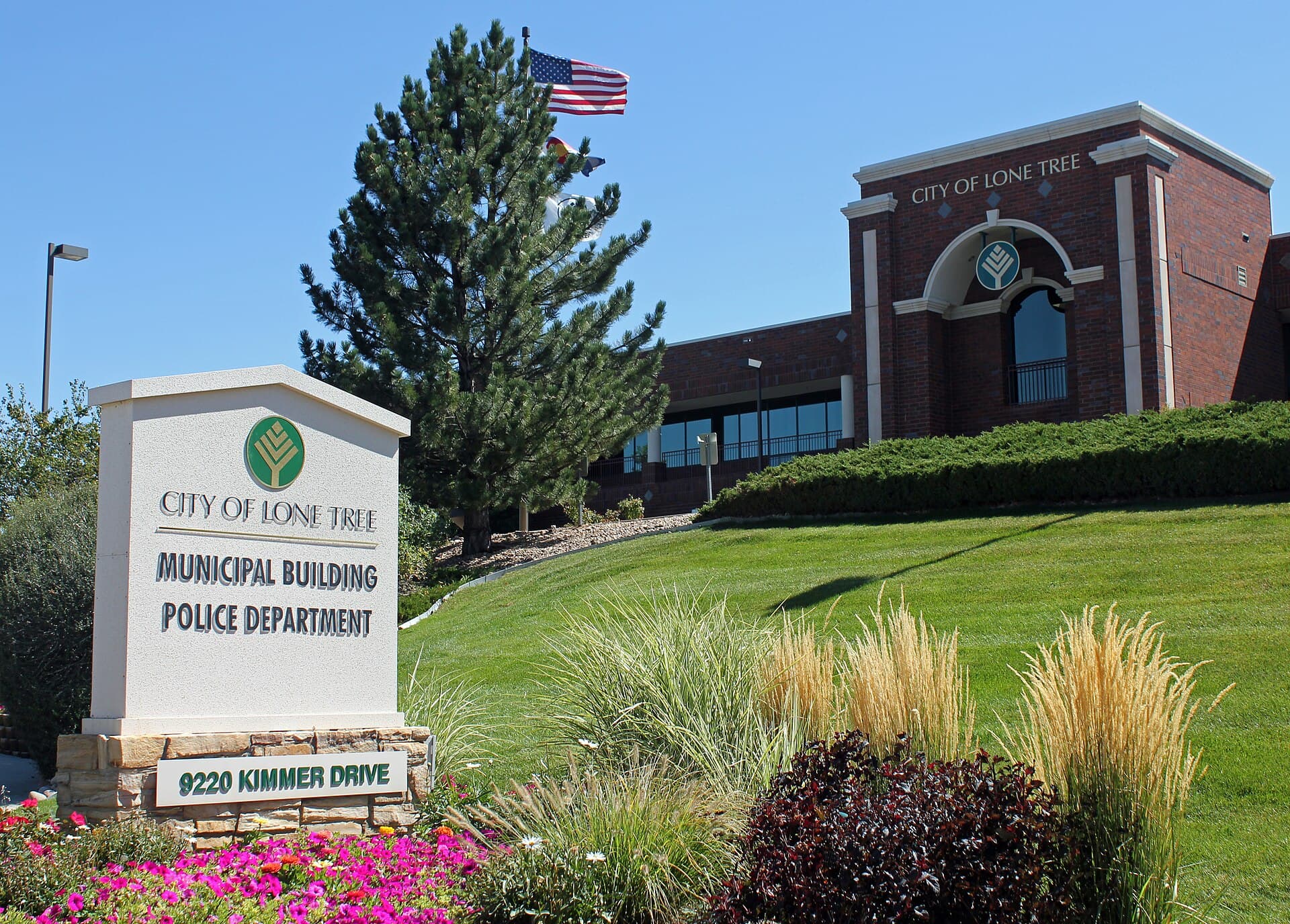
For Douglas County buyers, that is especially relevant because many of the largest growth corridors use these entities. A home listing may advertise the schools, trails or open space, but the district paperwork is where the financing structure usually appears.
Douglas County’s paper trail is already public
Douglas County keeps public notices and reporting-data systems for special districts, making metro-district filings part of the county’s public record rather than a private side agreement. The county’s notices include annual reports and transparency notices for districts such as Jordan Crossing Metropolitan District, Olde Town Metropolitan District and Sterling Ranch Metropolitan District-related filings.
Douglas County’s Assessor’s Office also plays a central role in valuation and tax administration, which is why district finances eventually matter to the same homeowners who may never have studied the district map when they bought.
A concrete example is Timbers Metro District. Its 2025 certification shows a net total taxable assessed valuation of $18,476,500. It shows how a district’s tax base can grow as development matures, and how much assessed value may sit inside a structure created to finance public improvements over time.
What to look for before you buy
The most useful warning signs are often the ones buried in the disclosure packet, not the sales brochure. A buyer in Lone Tree, Douglas County, Castle Rock or Parker should look closely at the district’s debt authority, its mill levy, whether the district also overlaps with other local governments, and whether the district controls water, roads, parks or only a narrow slice of services.
A few practical checks can prevent expensive surprises:
- Read the metro district’s official website, not just the subdivision marketing material.
- Look for annual budgets, audits and election notices.
- Ask whether the district has general obligation bonds and how those bonds are secured.
- Compare the district’s tax burden with nearby neighborhoods that do not sit inside a district.
- Check whether the district provides core services such as water, sewer, roads or irrigation, or whether those costs are layered on elsewhere.
The state rules are designed to make those questions easier to ask, but the burden still falls on buyers to notice them before closing. In Douglas County, where new neighborhoods continue to spread across former open land and near places like Pike National Forest, the cost of infrastructure is often embedded in the land use model itself.
This article was produced by Prism’s automated news system from verified source data, official records, and press releases, then run through automated quality and moderation checks before publishing. The system is built and supervised by the people who set the standards it runs under. Read our full AI policy.
Did this article answer your question?