Lone Tree weighs growth, housing and future as residents debate change
Lone Tree is using its State of the City to sell growth as opportunity, even as residents worry about traffic, density and wildlife loss.
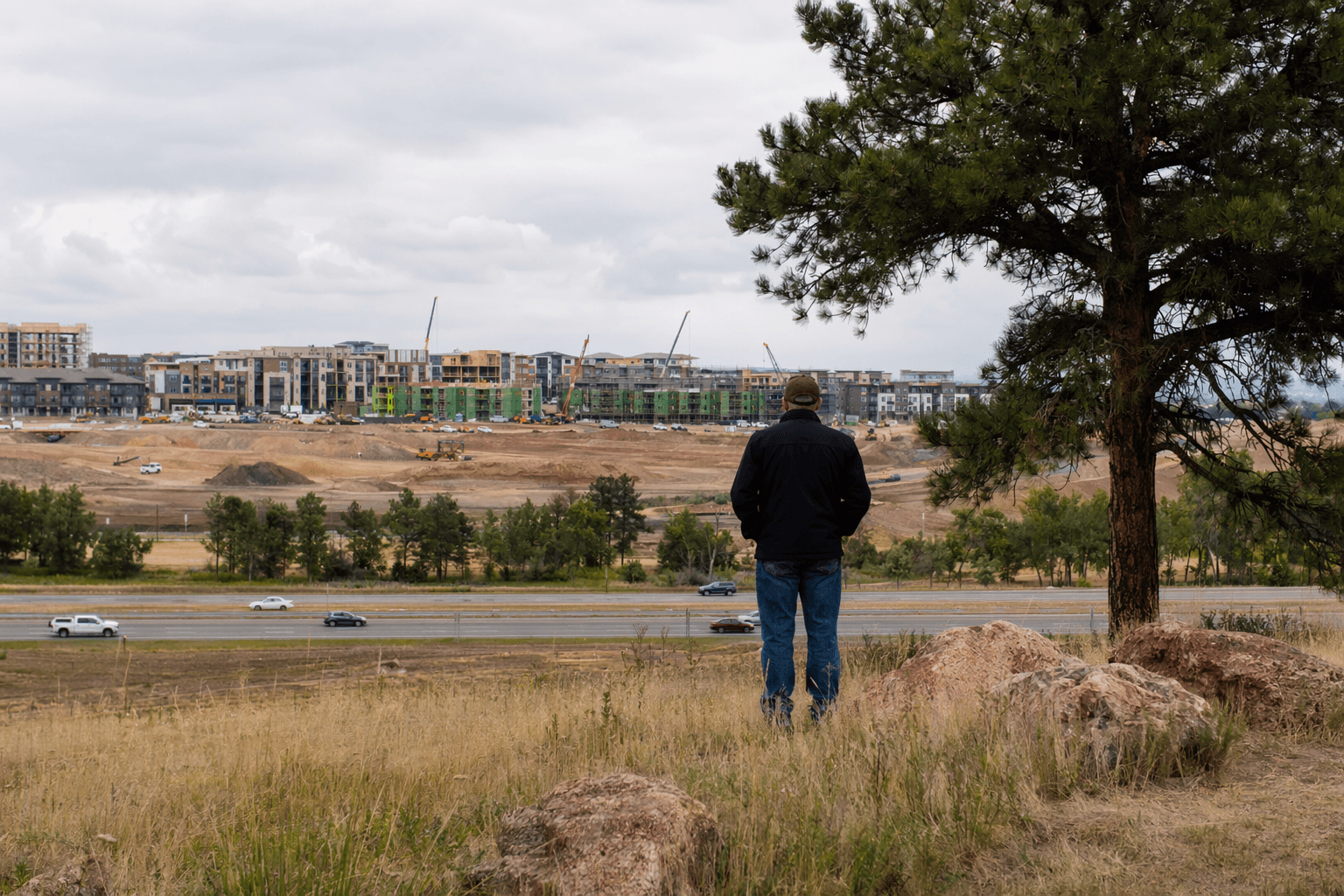
Lone Tree is trying to define how much change it can absorb without losing the qualities that drew people there in the first place. Mayor Marissa Harmon used the city’s 2026 State of the City address at the Lone Tree Arts Center on May 7 to focus on growth, housing and the city’s long-term direction, while residents continued to weigh the benefits and tradeoffs of rapid development.
Over the next 12 to 24 months, that debate will show up most visibly east of I-25, where the city says active construction tied to development is already underway and some work is expected to run into late 2026. That buildout sits inside a broader planning framework that includes Lone Tree Elevated, the city’s updated comprehensive plan, which is meant to guide growth and development for the next 20 years and beyond. City officials say that planning covers land use, transportation, housing, parks and open space, economic development and infrastructure.
The stakes are unusually high for a city of Lone Tree’s size. The city says it has about 15,000 residents, but a daytime population of nearly 30,000 across almost nine square miles. That mismatch helps explain why traffic, commuter flow and service demands are part of every growth conversation. It also helps explain why the approved City Center Subarea Plan, adopted in 2018, matters so much. The plan envisions 440 acres east of I-25, between Lincoln Avenue and RidgeGate Parkway, as a dense, walkable downtown with mixed-use, commercial, residential and office districts, public spaces and two light-rail stations.
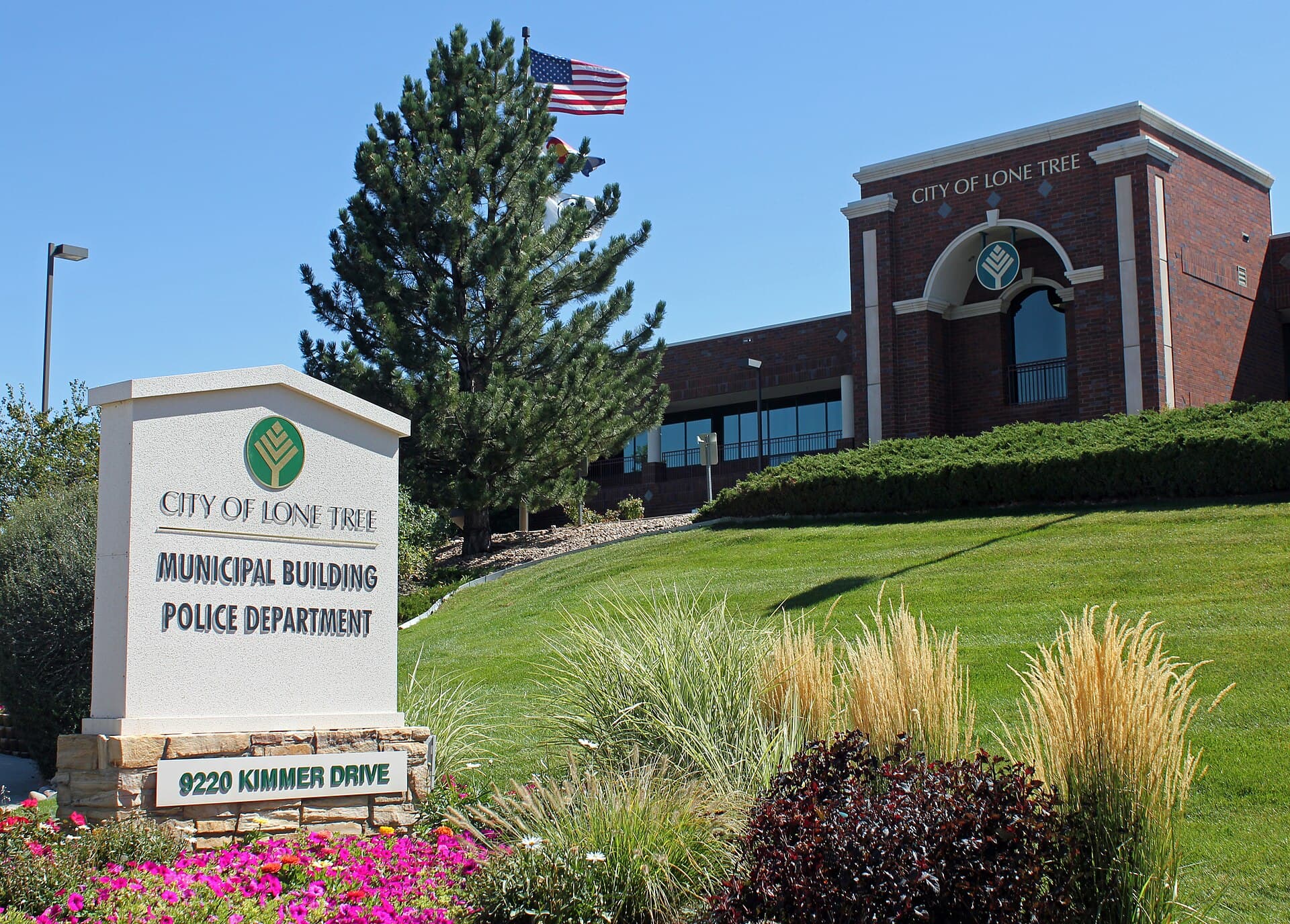
For residents, the next phase of growth is likely to bring both visible benefits and familiar friction. The city has framed City Center as a future downtown connected to downtown Denver, DTC, Meridian and Denver International Airport. At the same time, longtime and newer residents alike have raised concerns about overdevelopment, wildlife loss, density and the strain that more housing can place on roads and neighborhood character. Those concerns are sharpening as the city’s public messaging extends beyond land use and into the state housing and land-use laws that Harmon has said affect local decision-making.
That local-control argument carries added weight in Lone Tree, which incorporated in 1995 and adopted its Home Rule Charter on May 5, 1998. City officials say development is guided by adopted plans and regulations that are reviewed every three years and updated regularly, a process that puts the Lone Tree City Council at the center of decisions about what comes next. The result is a city still growing fast, but now forced to answer a harder question: how to keep capturing new investment while managing the traffic, construction and neighborhood change that come with it.
This article was produced by Prism’s automated news system from verified source data, official records, and press releases, then run through automated quality and moderation checks before publishing. The system is built and supervised by the people who set the standards it runs under. Read our full AI policy.
Did this article answer your question?