Louviers water system back in compliance after six years of radium contamination
Louviers is back within water standards after six years of radium trouble, with recent tests under 1 pCi/L and residents paying none of the treatment cost.
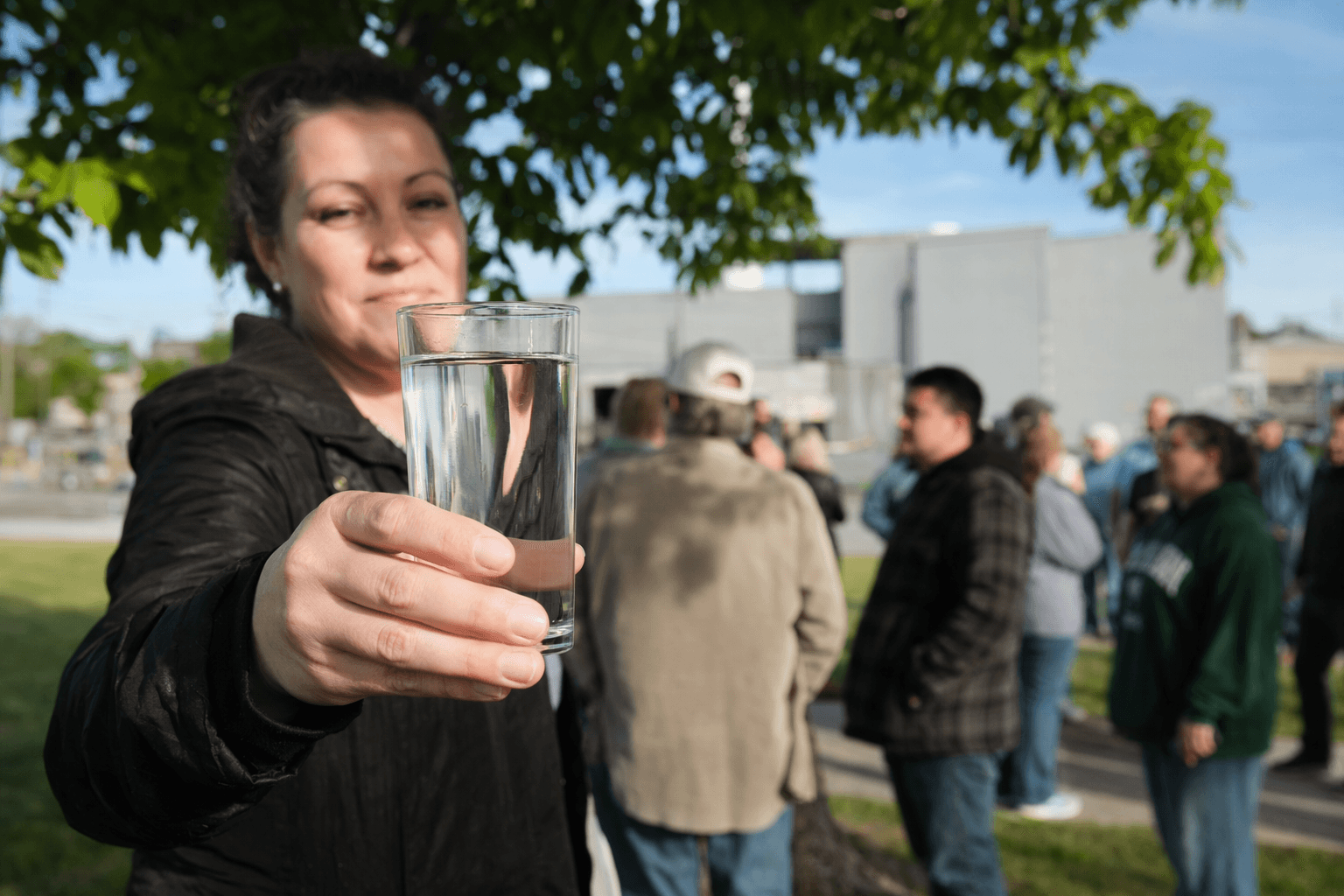
“We love our village,” LaVona Quinn said of Louviers as the small Douglas County community finally came back into compliance after six years of radium contamination in its drinking water. The Louviers Water & Sanitation District has now posted four consecutive quarters of clean results, closing a long chapter that left the 113-tap community west of Castle Rock living with uncertainty over its water.
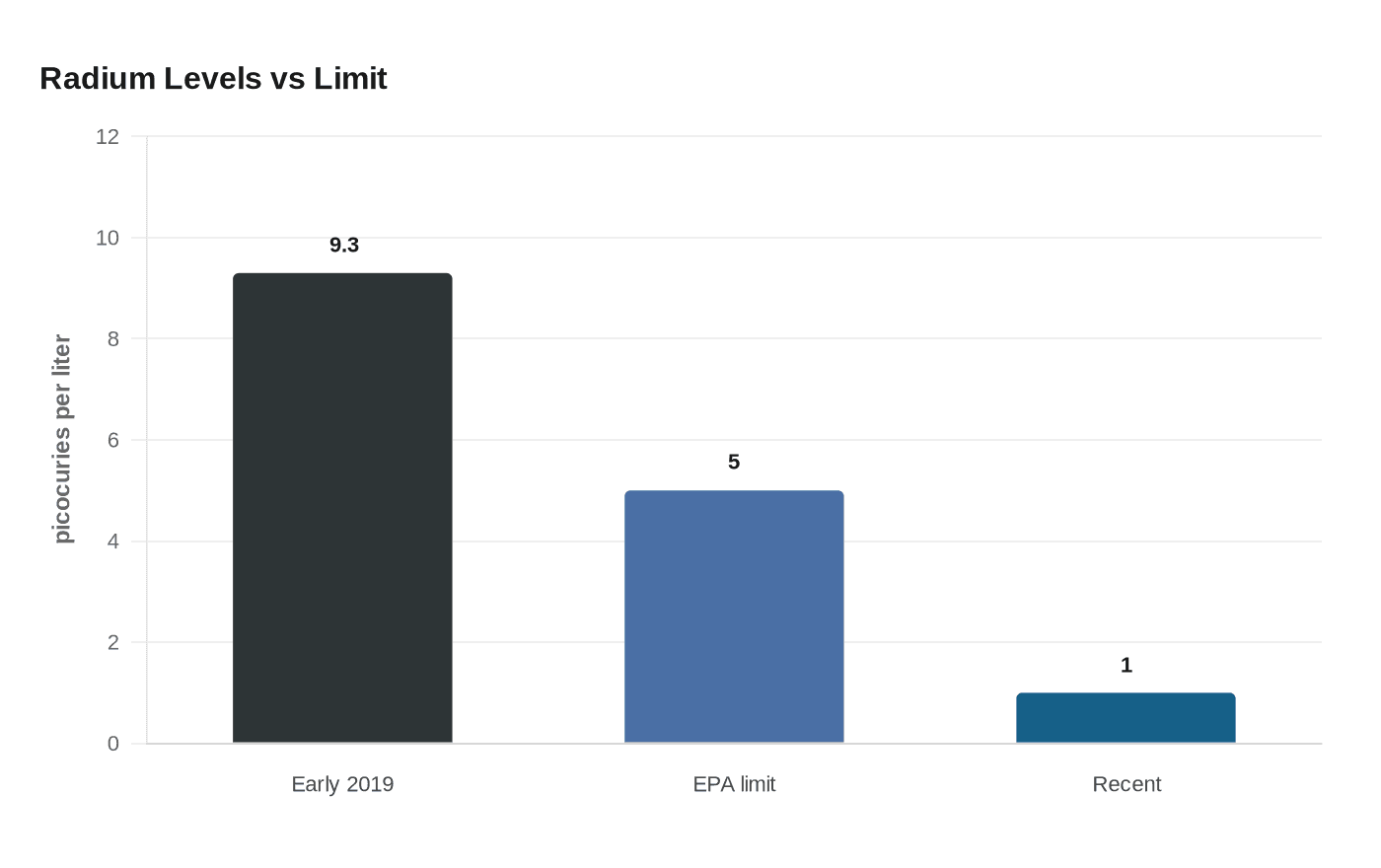
The problem showed up in tests in late 2018, with resident notices later citing readings as high as 9.3 picocuries per liter in early 2019. That was above the U.S. Environmental Protection Agency’s combined radium limit of 5.0 picocuries per liter. Radium is naturally occurring in Colorado groundwater, cannot be tasted, and long-term exposure above the federal limit can increase cancer risk. Louviers draws its drinking water from the Arapahoe aquifer, where the local geology helped create the contamination problem.
The Colorado Department of Public Health and Environment issued Enforcement Order No. DW.02.20.118035 on Feb. 24, 2020, after the district failed to meet drinking-water requirements. Board president Matt Collitt said the discovery was a huge shock for the village, which was founded in 1906 as a DuPont company town and still carries a strong sense of identity. During the worst of it, residents relied on delivered water while the district worked toward a fix.
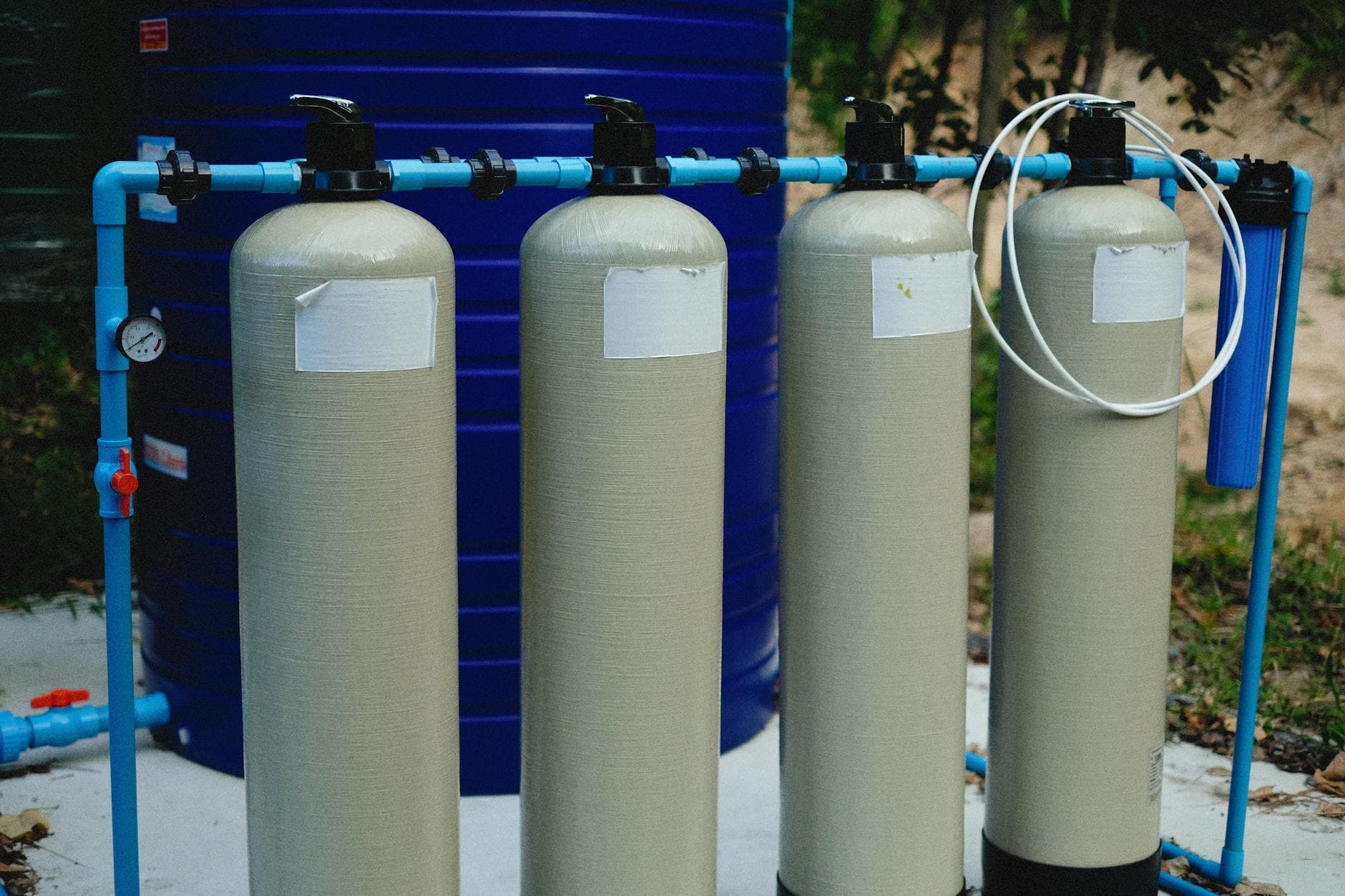
That fix came with construction of an ion-exchange treatment facility that began in June 2024. The system is designed to selectively remove radium from the water, and district notices said the project was expected to resolve the problem by July 2025. By March 2026, state officials found the district in compliance, and recent readings have been under 1 picocurie per liter, according to the district.
Douglas County approved a $1.6 million ARPA agreement for Louviers well treatment after the contamination was discovered, and district notices say the project was funded by grants from CDPHE and the county, with no cost passed on to residents. The district now is responsible for keeping the water safe day to day, under state oversight.
For Louviers, the practical answer is yes: the water is back in compliance and safe to drink within state and federal standards. The broader lesson reaches beyond one village, because radium is naturally occurring in Colorado groundwater, and other small systems in Douglas County that draw from local aquifers could face similar treatment needs if the same geology is present.
This article was produced by Prism’s automated news system from verified source data, official records, and press releases, then run through automated quality and moderation checks before publishing. The system is built and supervised by the people who set the standards it runs under. Read our full AI policy.
Did this article answer your question?