New Colorado Laws Take Effect, Impacting Renters, Consumers, Communities
A package of roughly 20 state laws took effect on Jan. 1, 2026, bringing new consumer protections, tenant rules, labor benefits and wildlife protections that will affect Douglas County residents. Practical changes include broader repair rights for electronics, expanded FAMLI leave for parents of infants in neonatal intensive care, new standards for gun shows, restrictions on tenant screening and fees, and heightened protections for wild bison.
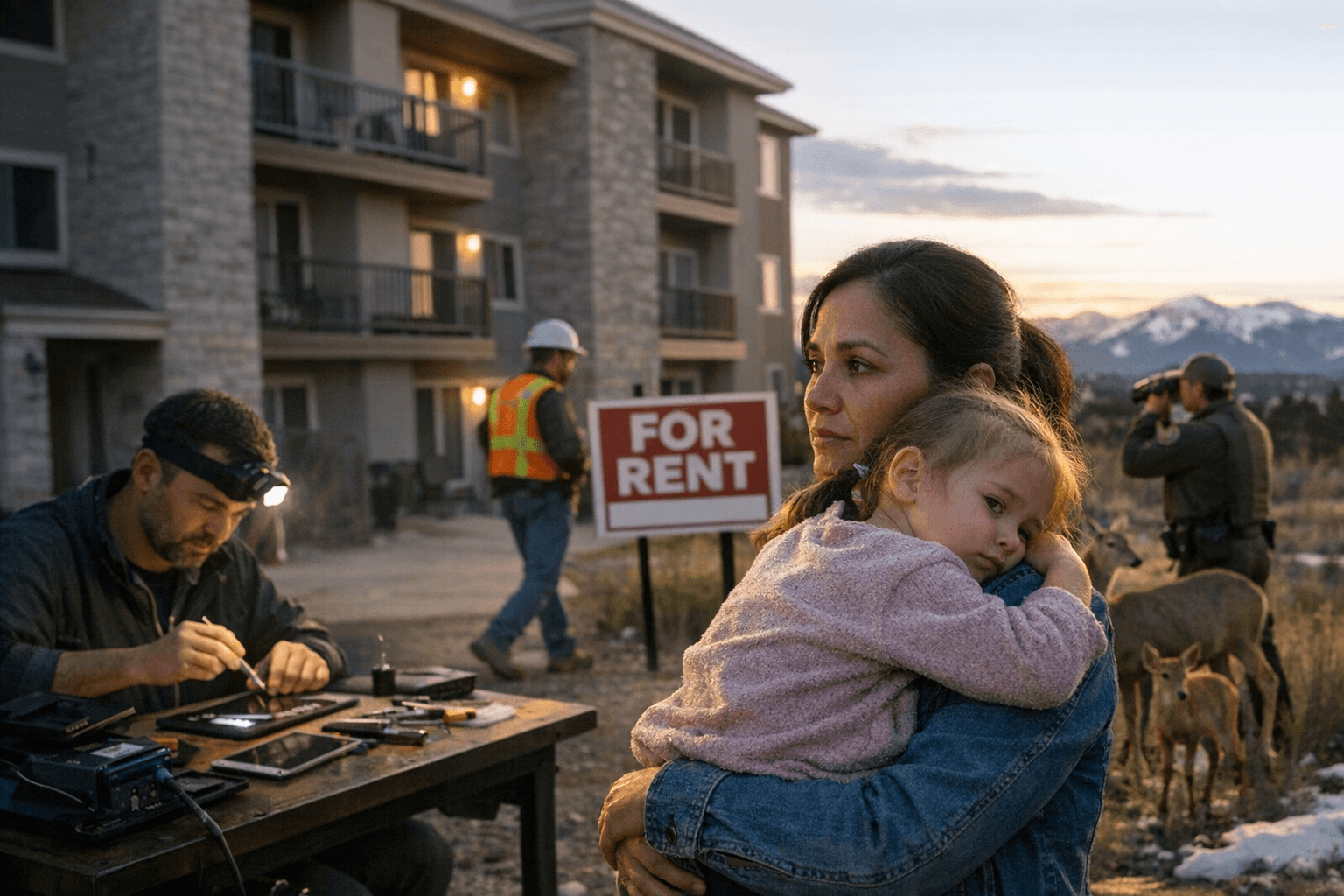
Colorado enacted about 20 statutes that became effective at the start of 2026, with several changes likely to have immediate impact across Douglas County. Lawmakers aimed to advance consumer choice, worker supports and public safety while adding protections for wildlife, and local residents should expect new compliance requirements and new options in the months ahead.
One consumer-oriented law requires electronics manufacturers to make documentation, software and other repair tools available to device owners and independent repair shops. The change expands repair options for residents and could lower costs by enabling local repair businesses to service a wider range of products without sending devices out of the county.
Working families also saw a notable expansion of paid leave. Parents of infants admitted to neonatal intensive care units can apply for additional weeks of FAMLI leave, giving families extended job-protected time during a medically stressful period. The law does not specify an exact change in this summary but signals a broader state commitment to family and medical leave supports.
Public safety and regulatory oversight were updated for gun shows. Operators must submit security plans to local law enforcement, carry liability insurance, enforce age limits and ensure purchases comply with background-check laws and any waiting periods. These measures are intended to tighten event-level accountability while leaving enforcement responsibilities to local authorities.
Housing-related statutes target tenant screening and fee transparency. Landlords will no longer be allowed to require credit histories or credit scores from prospective tenants who use housing subsidies, removing a common barrier to subsidized renters. A separate law standardizes up-front pricing for consumers and restricts certain landlord fees, aiming to make move-in costs more predictable for tenants across the state.
In wildlife policy, wild bison were reclassified as big game wildlife, a change that adds legal protections and largely prohibits hunting or poaching of wild herds. This designation will affect wildlife management practices and local recreation policies where bison roam.
For Douglas County residents, the practical takeaway is twofold: some new options are now available, such as more repair choices and extended FAMLI access, while businesses and event organizers face new compliance duties. Residents with questions about how these laws apply locally should contact county offices, local law enforcement or relevant state agencies to confirm implementation timelines and enforcement practices. These measures reflect broader national and international trends toward consumer rights, labor protections and species conservation, while putting concrete obligations and benefits into effect at the local level.
This article was produced by Prism’s automated news system from verified source data, official records, and press releases, then run through automated quality and moderation checks before publishing. The system is built and supervised by the people who set the standards it runs under. Read our full AI policy.
Did this article answer your question?