People v. Eddington: Appeals Court Rules GoFundMe Gifts Don't Reduce Restitution
The Colorado Court of Appeals ruled Feb. 19, 2026 in People v. Eddington that GoFundMe-style gifts to a victim do not automatically reduce a defendant’s restitution obligation in Douglas County.
The Colorado Court of Appeals has held that voluntary crowdfunding gifts to a crime victim do not necessarily reduce a criminal defendant’s restitution obligation, issuing a unanimous, published opinion in People v. Eddington on Feb. 19, 2026 that cited Douglas County as the jurisdiction below. The three-judge panel resolved the narrow legal question of whether courts must offset restitution when a victim receives monetary gifts through platforms such as GoFundMe.
Judge Katharine E. Lum wrote the opinion for a 3-0 panel composed of Lum, Jerry N. Jones, and Melissa C. Meirink. Lum framed the court’s conclusion in plain statutory terms, writing: “Eddington doesn’t direct us to any language in the restitution statute or the compensation act (and we can find none) that requires a court to reduce the amount of restitution simply because a victim received a monetary gift.”
The panel explicitly agreed with the government’s position in the appeal, and the published opinion resolves an open question about how voluntary donations interact with crime victim restitution in Colorado’s second-highest court. The opinion identifies crowdfunding as a central example of the voluntary donations at issue, but does not spell out any specific dollar amounts or identify the victim or the defendant beyond the surname Eddington.
Key factual and procedural particulars remain absent from the appellate excerpt. The decision as released does not provide Eddington’s first name, the underlying criminal charges, the restitution amount ordered by the trial court, or whether a lower court had previously reduced restitution because of donations. Reporters and attorneys seeking the full record should obtain the Court of Appeals’ published opinion for an official citation, request the Douglas County district court docket and sentencing and restitution orders, and, if necessary, review the public or court-ordered records for any crowdfunding page and donations tied to the case.

Douglas County legal actors are likely to monitor how trial courts apply the ruling in pending and future restitution proceedings. The ruling leaves intact the statutory framework identified by the panel and signals that judges must look to the restitution statute and the compensation act themselves rather than treating voluntary gifts as an automatic offset.
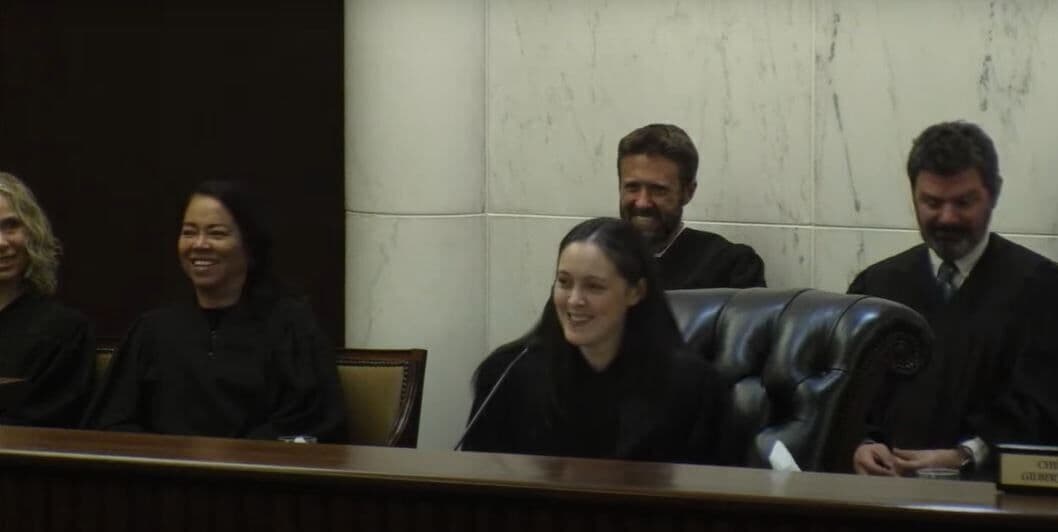
Judge Lum, who authored the opinion and who previously spoke at her ceremonial swearing-in to the Court of Appeals on April 28, anchored the court’s reasoning in statutory silence about mandatory offsets. Local prosecutors, defense counsel, and victim advocates will need the full opinion and lower-court records to determine how that statutory silence translates into practice in Douglas County restitution hearings going forward.
This article was produced by Prism’s automated news system from verified source data, official records, and press releases, then run through automated quality and moderation checks before publishing. The system is built and supervised by the people who set the standards it runs under. Read our full AI policy.
Did this article answer your question?