Commission reviews supportive housing options for women, children in recovery
Commissioners weighed new supportive housing for women and children in recovery, as county plans call for 25 more units by 2027 and a recent analysis showed $108,000 in service savings.
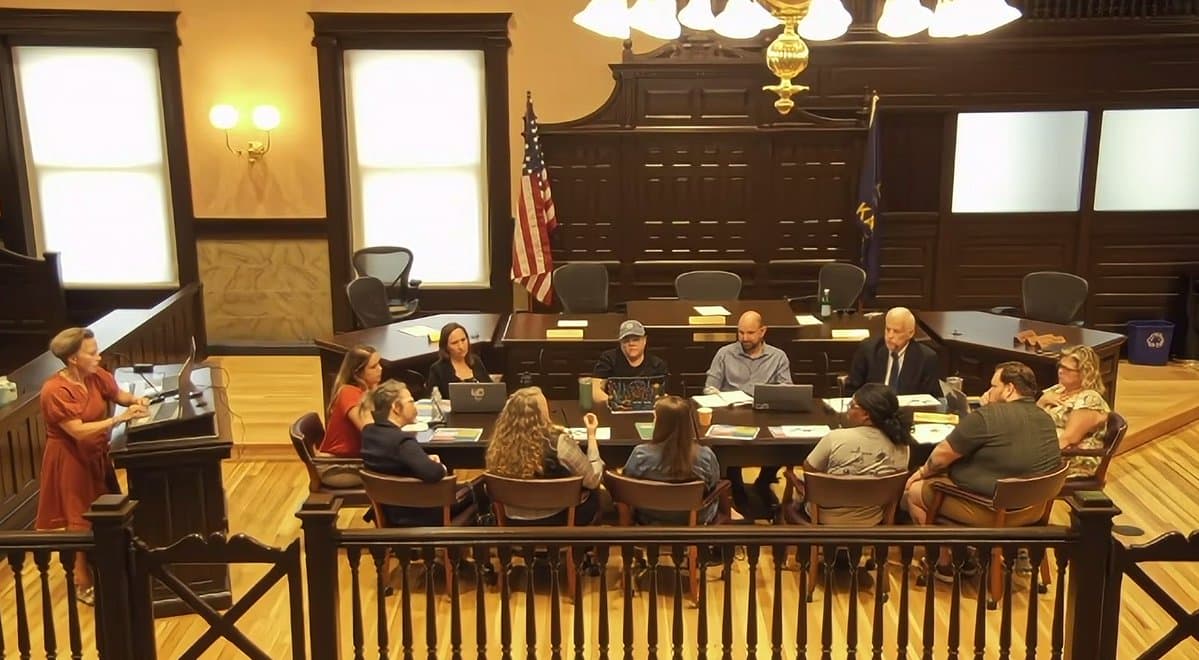
Douglas County commissioners spent their June 10 work session weighing how to expand supportive housing for women and children in recovery, a gap leaders have said sits at the center of the county’s homelessness strategy. The discussion came before the regular 5:30 p.m. meeting at the courthouse in Lawrence, and no action was taken during the work session.
The county’s long-running plan, A Place for Everyone, calls for 15 transitional housing units by 2027 for people with substance use disorder and or mental illness, along with 10 units for homeless families involved with child welfare. County leaders have treated those targets as part of a broader effort to end chronic homelessness, while also trying to build a system that keeps mothers and children together instead of forcing families into separate or unstable placements.
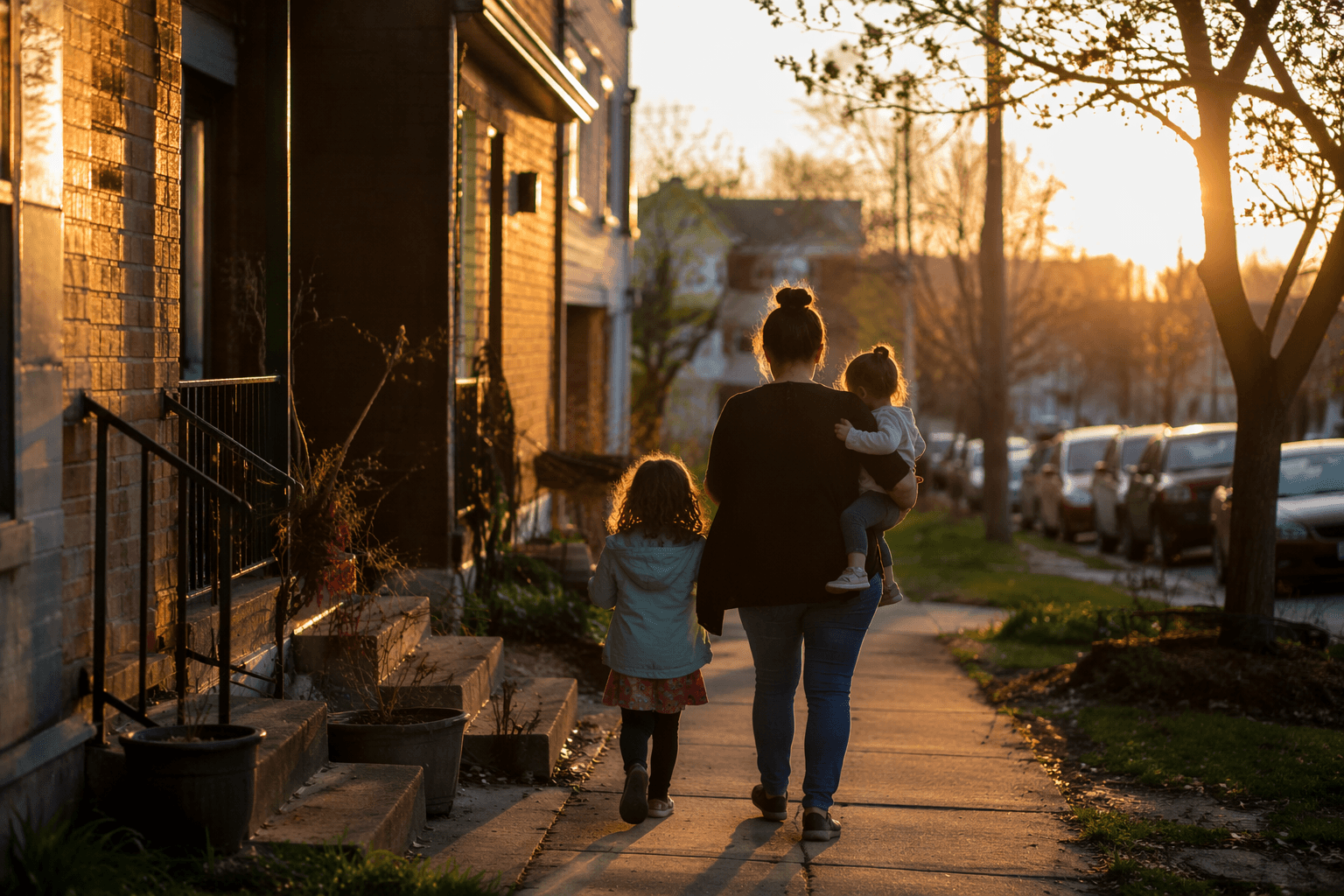
That policy argument has sharpened as local providers move projects forward. In 2025, Douglas County approved $247,000 for Cardinal Housing Network capital improvements at 1126 Ohio St., where the nonprofit plans supportive housing for women in recovery. Cardinal opened its first home at 1046 New Hampshire St. and said it could house up to 10 single women, with two additional group homes planned on Ohio Street later in 2025.
Another major piece of the county’s housing push is DCCCA’s Close to Home project, designed to provide transitional housing for women in recovery and their children. The nonprofit says the project will combine housing with education and employment help, childcare, and support aimed at helping families secure permanent housing and independence. DCCCA also said it met a Mabee Foundation challenge grant for the campaign, and a fundraiser prospectus said the effort is intended to furnish ten new duplexes.
The county’s case for continued investment rests not only on need but on cost. A county analysis published June 2 found that a supportive-housing program in Douglas County generated an estimated $108,000 in public service savings, a figure county officials have used to argue that housing-first and supportive-housing investments can ease pressure elsewhere in the system.
Douglas County’s 2024 strategic plan estimated roughly $28.4 million for supportive housing over five years, underscoring how central the issue has become in county budgeting. Jill Jolicoeur and commission chair Karen Willey have both been publicly tied to the effort, and Willey has urged churches to help meet housing needs so the burden does not fall only on government, nonprofits and families.
This article was produced by Prism’s automated news system from verified source data, official records, and press releases, then run through automated quality and moderation checks before publishing. The system is built and supervised by the people who set the standards it runs under. Read our full AI policy.
Know something we missed? Have a correction or additional information?
Submit a Tip