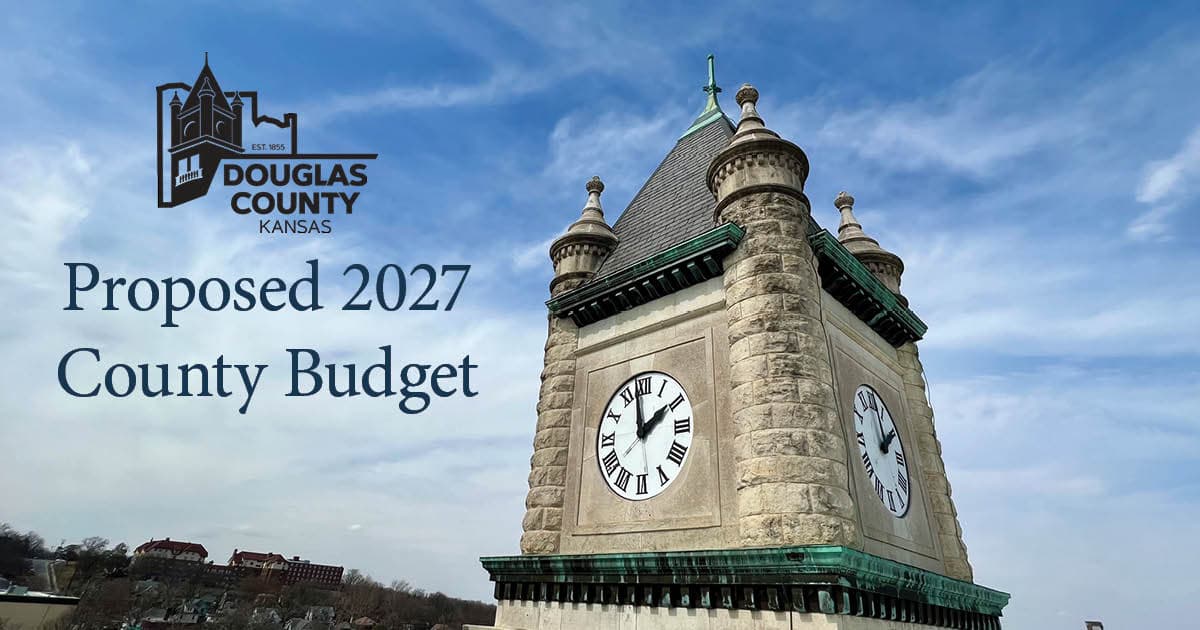
Detroit airport detention puts Lawrence voting case under federal scrutiny
A Lawrence permanent resident was held 30 hours at Detroit airport after CBP questioned her about a 2023 local vote, putting Douglas County records in a federal probe.

Federal border officers detained a Lawrence permanent resident for about 30 hours at the Detroit airport, questioned her about voting in a 2023 city commission and school board election, and threatened her with deportation. The case is unusual because a local election record in Douglas County ended up under scrutiny by U.S. Customs and Border Protection, an agency that has historically played no role in election-fraud investigations.
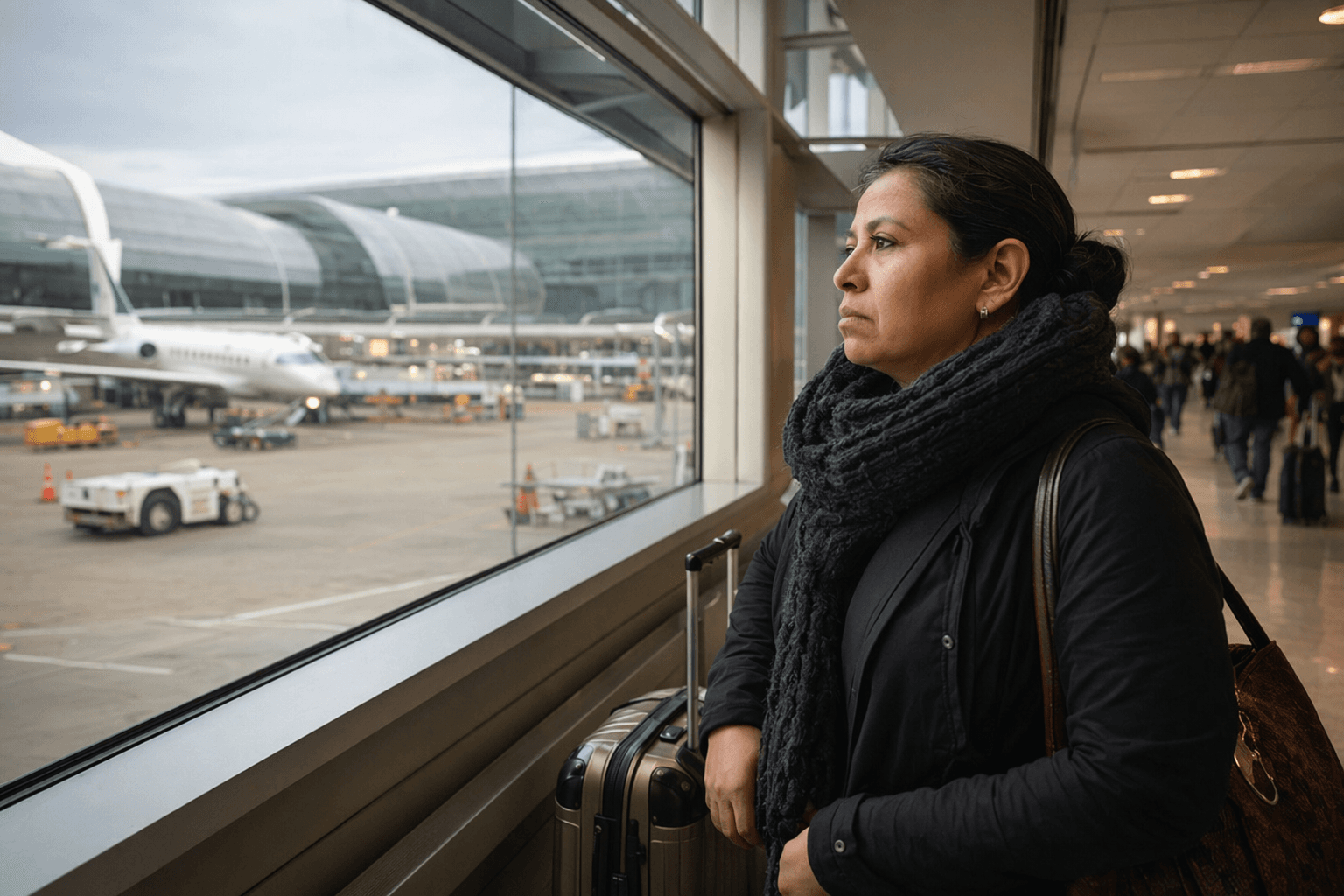
The woman, identified as Estelle, is 57 and has long held permanent resident status in the United States. She was returning from France in mid-March after visiting a sick father when officers stopped her during a layover. She spent the night in a detention cell on a concrete slab before being released more than 30 hours later. During questioning, she said she voted in the Nov. 7, 2023 Lawrence local election after a state motor vehicles department employee told her she was eligible when she renewed her driver’s license.
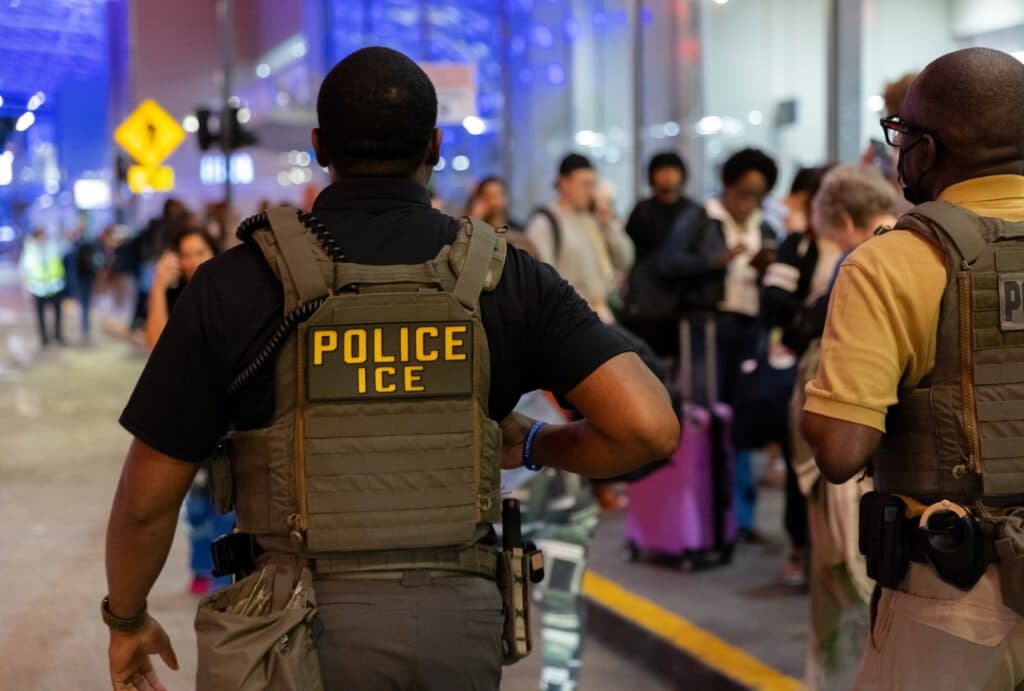
The detention did not stop at the airport. Douglas County Clerk Jamie Shew said he received an administrative subpoena from Customs and Border Protection on March 23 seeking Estelle’s voter registration application and voting records. Douglas County’s election office says it is responsible for planning and operating elections in the county and maintaining all records related to those elections. Shew, who has served as county clerk and election officer since 2004 and is now in his sixth term, is the county’s top elections official.
The case carries immediate stakes for Lawrence and Douglas County because Kansas law and federal law both require U.S. citizenship to register to vote, and Lawrence is not among the small number of U.S. cities that allow noncitizens to vote in local elections. That means the question is not whether noncitizen voting is legal here. The deeper issue is how a resident’s misunderstanding about eligibility can be turned into a federal immigration case.
The detention also raises broader civil-liberties concerns for other citizens and permanent residents. The federal government started deportation proceedings, then later canceled them after Estelle’s attorney spoke with the Department of Homeland Security. With Kansas lawmakers in 2026 pushing new election bills aimed at noncitizen voting and related rules, the Lawrence case could become a precedent-setting example of how far federal authorities are willing to go when local election records cross into immigration enforcement.
This article was produced by Prism’s automated news system from verified source data, official records, and press releases, then run through automated quality and moderation checks before publishing. The system is built and supervised by the people who set the standards it runs under. Read our full AI policy.
Did this article answer your question?