Douglas County considers new truancy program to keep students in school
Douglas County could launch a county-run truancy team by 2026-27, using early interventions before repeated absences turn into court cases. County leaders put $150,000 behind the test.
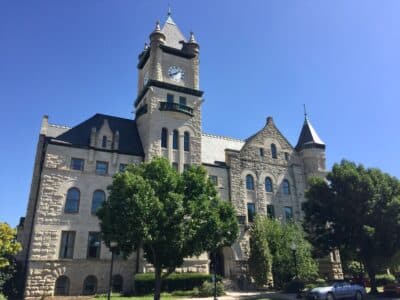
Repeated absences in Douglas County could soon trigger a county-run intervention team before a family ever reaches juvenile court. Commissioners are weighing EveryDay Counts, a proposed truancy program for elementary and middle school students that would move chronic absenteeism out of the classroom only after schools have already tried their own steps.
The plan would be run by Douglas County Criminal Justice Services through its Youth Services division and is meant to work with, not replace, school attendance efforts. County staff first reviewed it in a Jan. 28 work session and said it could begin as early as the 2026-2027 school year. The county had already been paying the Center for Supportive Communities $150,000 a year since 2023 for truancy services, and a $62,500 consent item approved in December 2025 kept that existing service going through the end of the 2025-2026 school year. That left $87,500 of the 2026 allocation available for a new approach.
The county’s January proposal estimated the county-run version would cost $77,016 in fiscal year 2026 and $123,868 in fiscal year 2027. The model starts with prevention and early intervention, then moves to more intensive case management only if attendance problems continue. Families would be asked to sign attendance contracts, and the program could include home visits, school visits, referrals to community resources and help with barriers such as transportation, rent or utilities. Building Peace was identified as a partner in the January presentation.
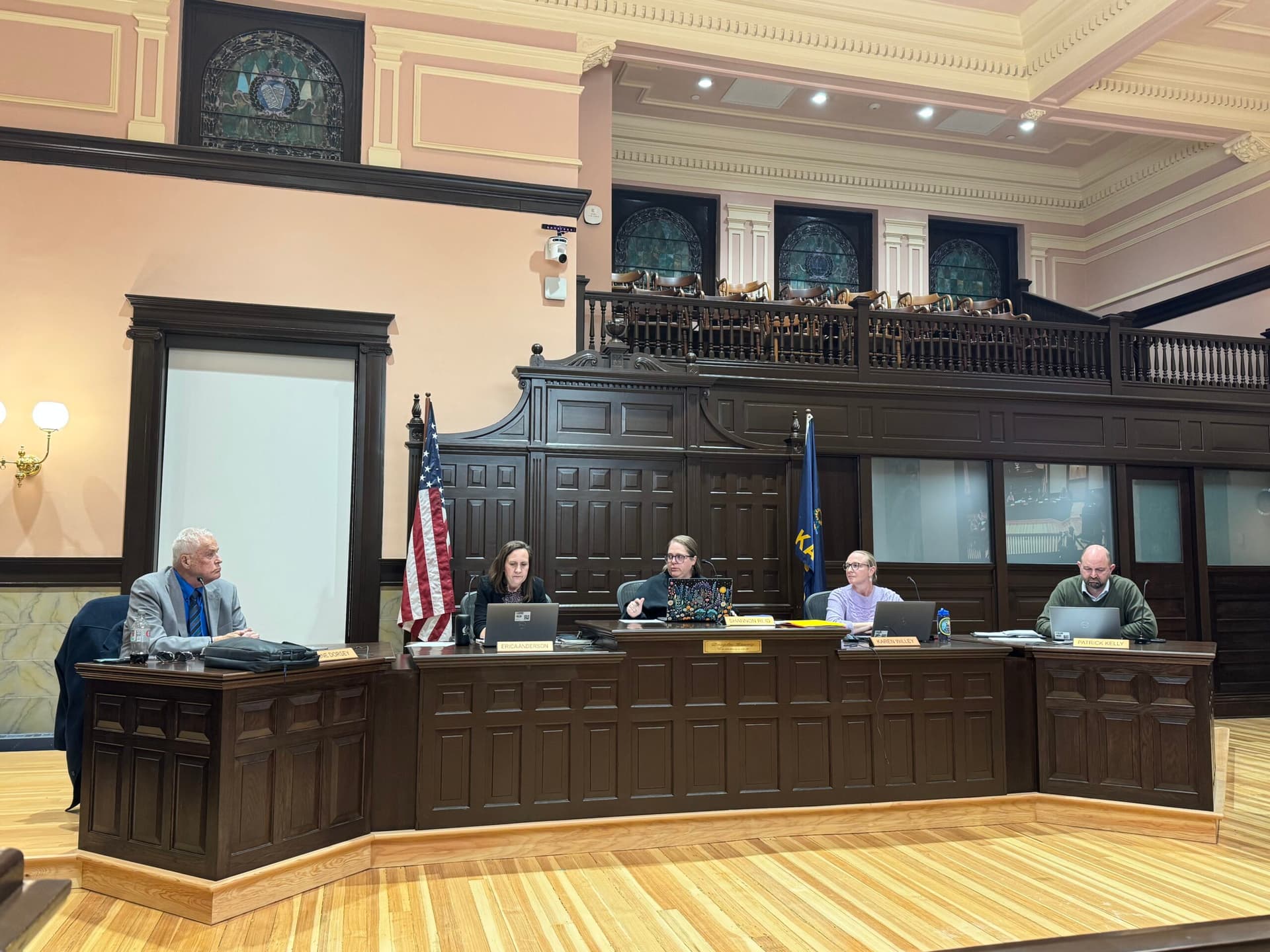
The legal pressure behind the proposal is clear. Kansas law treats a child as not attending school as required when the student is inexcusably absent for three consecutive school days, five school days in a semester or seven school days in a school year. Douglas County’s current truancy program already serves students in kindergarten through eighth grade, while O’Connell Children’s Shelter handles grades 9 through 12. The county’s truancy work has been coordinated by Douglas County Youth Services since fall 2011 and already involves the Douglas County District Attorney’s Office, the Kansas Department for Children and Families, SupportED Center for Supportive Communities and O’Connell.

The push also comes against a stubborn attendance problem in Lawrence Public Schools USD 497. District reporting showed 29.7% of elementary, middle and high school students were chronically absent in the 2021-22 school year. Among high school students, the rate was 39% overall and 49% for seniors. Native American or Alaska Native students had a 46% chronic absenteeism rate, and Black students were at 38%. If EveryDay Counts is approved, county officials say the goal is to cut those numbers before absenteeism turns into academic failure, family instability and a possible Child in Need of Care case in the Seventh Judicial District.
This article was produced by Prism’s automated news system from verified source data, official records, and press releases, then run through automated quality and moderation checks before publishing. The system is built and supervised by the people who set the standards it runs under. Read our full AI policy.
Did this article answer your question?