Douglas County expands Familiar Faces effort to aid vulnerable residents
County officials said MyRC was revitalized and some crisis-tracking steps were automated as Douglas County expanded its Familiar Faces effort.
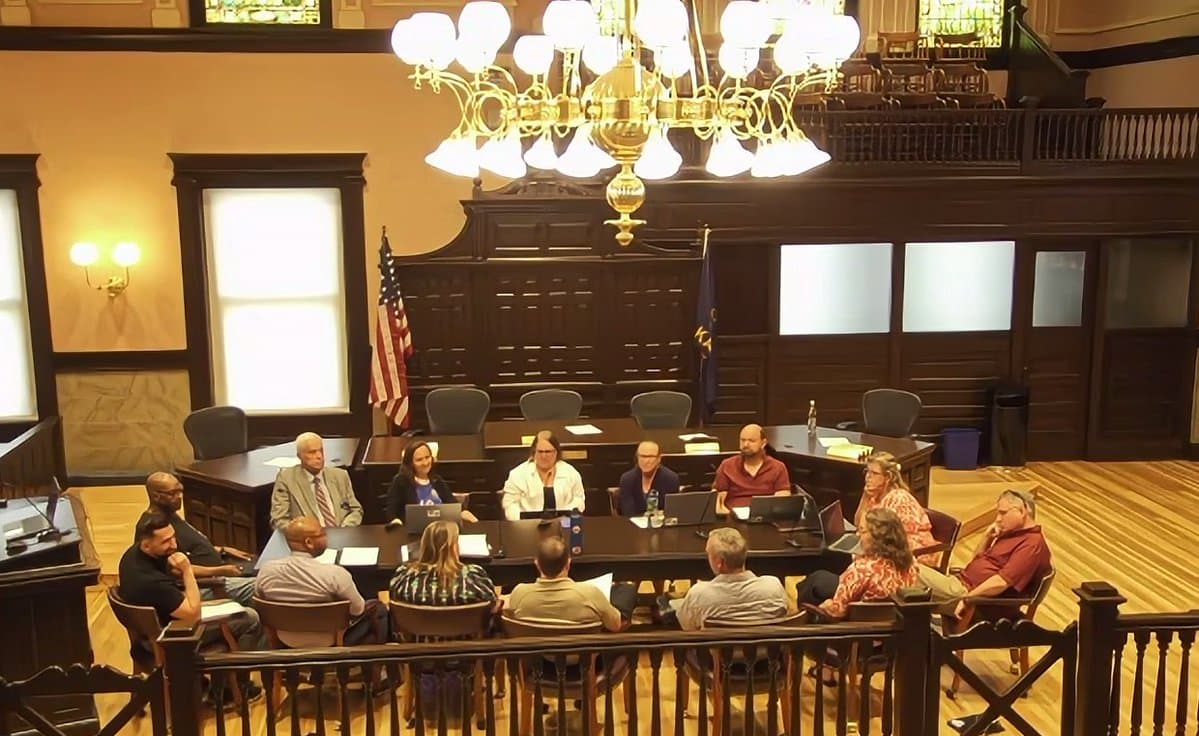
Douglas County has expanded its Familiar Faces effort, revitalized My Resource Connection and automated some of the steps used to identify residents cycling through crisis systems.
The work is aimed at the small group of vulnerable people who drive repeated emergency-room visits, ambulance calls, jail bookings and police time. The update came during the Douglas County Commission’s June 24 work session.

The National Association of Counties launched its Familiar Faces Initiative in May 2022 to help communities share data between health and justice systems and connect people who repeatedly move through jails, homeless shelters, emergency departments and other crisis services. Commissioner Shannon Reid was selected in July 2022 for NACo’s Familiar Faces Leadership Network. The national initiative concluded in 2024, but counties continue to use its framework for early intervention, reduced incarceration and hospitalization and tighter cross-system coordination.
Douglas County’s version relies on a multidisciplinary team that includes first responders, medical providers and behavioral health providers. It uses MyRC to identify the most frequent and intense users of public-safety resources, then brings agencies together in care-coordination huddles to work on specific cases. The broader behavioral health strategy has been in development for about six to seven years and has shown some progress, including fewer emergency-room visits during behavioral health crises.
In 2025, Bob Tryanski said the county would look in 2026 at how to sustain services for uninsured residents, and the 2025 behavioral health funding pool was about $12.5 million a year, supported by the county’s behavioral health sales tax and property taxes. That work sits alongside about 12 ongoing housing projects.
The county has already tried a related tactic on the emergency-response side. In December 2023, Lawrence-Douglas County Fire Medical announced a Mobile Integrated Health Team to visit frequent EMS users, offer nonemergency checks and connect them to resources. One LDCFM official said some people can call for an ambulance or fire truck 30 to 40 times in a month.
This article was produced by Prism’s automated news system from verified source data, official records, and press releases, then run through automated quality and moderation checks before publishing. The system is built and supervised by the people who set the standards it runs under. Read our full AI policy.
Did this article answer your question?