Douglas County eyes clubhouse model for mental health recovery support
Douglas County is weighing a clubhouse that could give adults with serious mental illness a daily place to work, connect and avoid repeated crisis care.
Douglas County behavioral health leaders are looking at a model meant to keep adults with serious mental illness from cycling between crisis care, homelessness and isolation by giving them a structured place to rebuild routine and confidence. The idea centers on a clubhouse, a non-clinical setting where participants and staff would work side by side and where recovery would be built into daily life, not confined to an exam room.
The county’s 2024-2029 Community Health Improvement Plan calls for Douglas County to increase peer support capacity, expand the peer workforce and shape a culture of recovery wherever residents live, learn, work and play. County leaders said a clubhouse fits that goal because it would offer steady social connection, skills-building and a path toward greater independence for people living with serious mental illness and co-occurring substance use disorders.
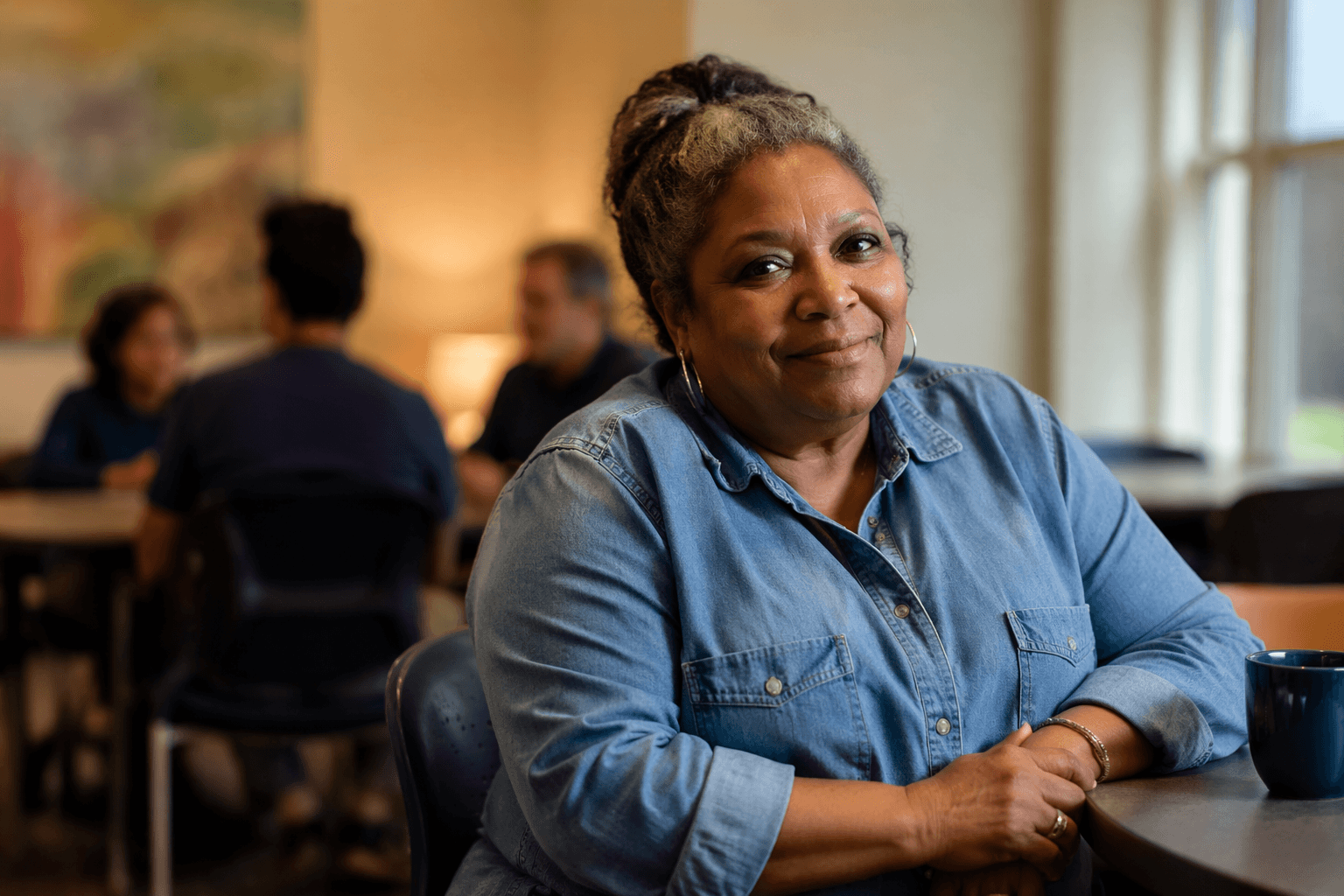
The model being explored follows Clubhouse International standards, which organize daily activity around a work-ordered day. Clubhouse International says the approach is designed to help people stay out of hospitals while pursuing social, financial, educational and vocational goals. The organization says it works with 25 Clubhouse coalitions worldwide, and its 2025 impact report says there are more than 360 clubhouses in 33 countries.
In Douglas County, the proposed program is called Anchor Pointe Clubhouse. It has been in development since 2025, when the county partnered with the Kansas Clubhouse Coalition and Breakthrough Episcopal Social Services to build an implementation plan. The clubhouse would still need certification from the Kansas Department for Aging and Disability Services, the state’s behavioral health licensing and certification authority, before it could qualify for public funding.
County officials are exploring the model at a time when demand for behavioral health services is already rising. The Douglas County mobile response team handled nearly 80% more mental health incidents in 2024 than in 2023 after access changes made the service easier to use. That pressure has sharpened interest in supports that come before a crisis, especially for residents who need more than clinic-based care but less than hospitalization.
Bert Nash Community Mental Health Center remains Douglas County’s designated community mental health center and certified community behavioral health clinic, but leaders see the clubhouse as a way to widen the county’s network of support. A local example already exists in Lotus House in Topeka, where participants can seek help with housing and job searches while also finding a place to socialize and recover in a supportive environment.
For Douglas County, the stakes are practical as much as clinical. If Anchor Pointe moves ahead, success would be measured not just by enrollment, but by whether residents can hold onto housing, reconnect with work or school and spend less time in crisis systems that too often become a revolving door.
This article was produced by Prism’s automated news system from verified source data, official records, and press releases, then run through automated quality and moderation checks before publishing. The system is built and supervised by the people who set the standards it runs under. Read our full AI policy.
Know something we missed? Have a correction or additional information?
Submit a Tip