Douglas County judge blocks Kansas ban on gender-affirming care for minors
A Douglas County judge temporarily blocked Kansas’s ban, letting some transgender teens keep care for now while families wait on an appeal.
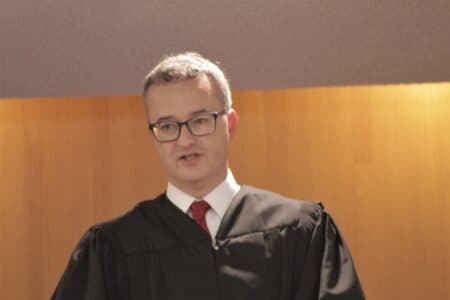
A Douglas County judge temporarily blocked Kansas from enforcing key parts of Senate Bill 63, giving transgender minors already receiving care under medical supervision a reprieve while the lawsuit moves forward. For families in Douglas County and Lawrence, the immediate effect is that existing treatment plans can continue for now, even as the law’s future remains unsettled.
The order came from Douglas County District Court and rests on a finding that the plaintiffs showed a reasonable probability of irreparable harm if the Help Not Harm Act stayed in force during the case. That is the kind of showing that can support a preliminary court order before a final ruling on the constitutional claims.

SB 63 was passed over Gov. Laura Kelly’s veto in February 2025. The law bans gender-affirming care for minors, including puberty blockers and hormone treatments, and Kansas legislative summaries say it also allows civil actions against providers, requires professional discipline, and bars professional liability insurance coverage for damages tied to the treatment. The summaries also say the law includes a treatment protocol for young patients already receiving the prohibited care, sets a 10-year statute of limitations from a child’s 18th birthday, and creates a private cause of action.
The lawsuit, Loe v. Kansas, was filed in Douglas County District Court in May 2025 by the American Civil Liberties Union and the ACLU of Kansas. It was brought on behalf of two transgender adolescents and their parents: 16-year-old Ryan Roe and his mother, Rebecca Roe, and 13-year-old Lily Loe and her mother, Lisa Loe. The challenge says SB 63 violates the Kansas Constitution’s guarantees of equal protection and fundamental rights.
The ACLU of Kansas has said the law threatens access to care for an estimated 7,300 transgender adolescents in Kansas, which gives the Douglas County ruling consequences far beyond the two families named in the case. The question now is whether minors who are already in treatment can keep that care in place while the constitutional challenge is litigated, or whether they will again face interruption and legal risk.
Attorney General Kris Kobach said he would appeal the temporary injunction and called the ruling judicial activism, underscoring that the fight is far from over. For now, the case keeps a statewide policy fight tied to a local courtroom, with Douglas County families caught at the center of one of Kansas’s most closely watched legal battles.
This article was produced by Prism’s automated news system from verified source data, official records, and press releases, then run through automated quality and moderation checks before publishing. The system is built and supervised by the people who set the standards it runs under. Read our full AI policy.
Did this article answer your question?