Douglas County museums launch six-part 250th anniversary history exhibit
Six Douglas County sites will open a countywide America 250 exhibit Tuesday, tying Paschal Fish, Bleeding Kansas and Underground Railroad stories to freedom.
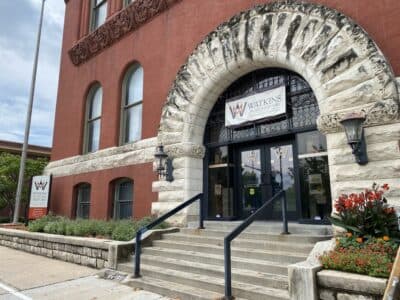
Douglas County’s America 250 story will unfold across the county, not inside one downtown museum. Starting Tuesday, May 5, the Watkins Museum of History will launch Finding Freedom: The Promise of 1776 in Douglas County, Kansas, a six-part exhibit that links Lawrence, Eudora, Lecompton, Baldwin City and the Clinton Lake area through a shared question: who counted in the promise of freedom, and who was left out?
The project stretches from the 1850s through the 1960s and gives each site a different chapter. Constitution Hall in Lecompton will host The Kansas Controversy, centered on the fight over whether Kansas would enter the Union as a slave state or a free state and how that struggle shaped national politics. The Eudora Community Museum’s Stories from the Western Border looks at Bleeding Kansas in the broader fight over equality and liberty, while the Santa Fe Trail Historical Society in Baldwin City presents The Women’s Spirit, tracing women’s roles from trail life and early Kansas college education to Civil War service, Bleeding Kansas and women entering male-dominated professions such as pharmacy.

At the Territorial Capital Museum in Lecompton, the focus shifts to how military service became part of the town’s legacy after the slavery debate. The Watkins Museum’s own section, Those Who Were Left Out, examines the struggle for rights among African Americans, Native Americans, women and the LGBTQ+ community. The Wakarusa River Valley Heritage Museum rounds out the series with stories of abolitionists and freedom-seekers tied to the Underground Railroad, including people traveling to Canada before the Civil War and formerly enslaved residents who settled in the area after the Emancipation Proclamation.
Watkins has also tied the Eudora chapter to Paschal Fish, the Shawnee leader born in 1804 who helped shape the city’s early history through the Fish family’s role in the area from the 1840s through the 1870s. In Baldwin City, the women’s exhibit is built around recognizable local themes that move from prairie life to the making of Kansas institutions.
The Douglas County Historical Society, founded in 1933 and operator of Watkins, has made outreach part of the stakes. Steve Nowak, the society’s executive director, said more than $400,000 in outside grants were awarded to the Historical Society and Watkins Museum between 2019 and 2024, and the organization also sought about $11,000 in marketing grants to bring the America 250 project to a wider audience.
Watkins offers free admission and is open Tuesday through Saturday from 10 a.m. to 4 p.m. The museum network will extend the effort again on June 6 with Douglas County Hands-On History Day, which will include free admission and extended hours at Watkins, the Eudora Area Historical Society, the Wakarusa River Valley Heritage Museum and the Territorial Capital Museum. The Douglas County effort sits within a wider state push led by the Kansas 250 Commission, while Humanities Kansas plans to send its Declaration 1776 traveling exhibition to 46 cultural institutions across Kansas in 2026.
This article was produced by Prism’s automated news system from verified source data, official records, and press releases, then run through automated quality and moderation checks before publishing. The system is built and supervised by the people who set the standards it runs under. Read our full AI policy.
Did this article answer your question?