Douglas County to host free severe weather safety session Friday
Free severe-weather session Friday at Watkins Museum will pair storm history with straight advice on alerts, shelter and fast-moving tornado danger.
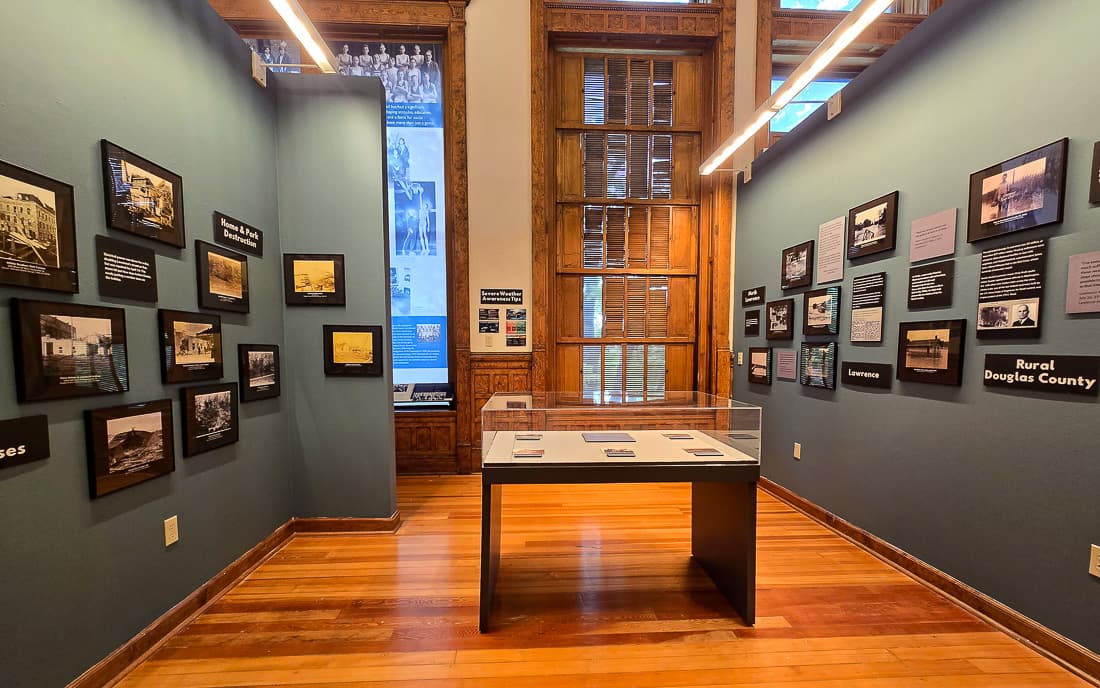
Douglas County residents can get a crash course in storm safety before the next warning siren sounds. Douglas County Emergency Management and the National Weather Service will host a free public session from 4 to 5 p.m. Friday, June 12, at Watkins Museum of History, 1047 Massachusetts St. in Lawrence.
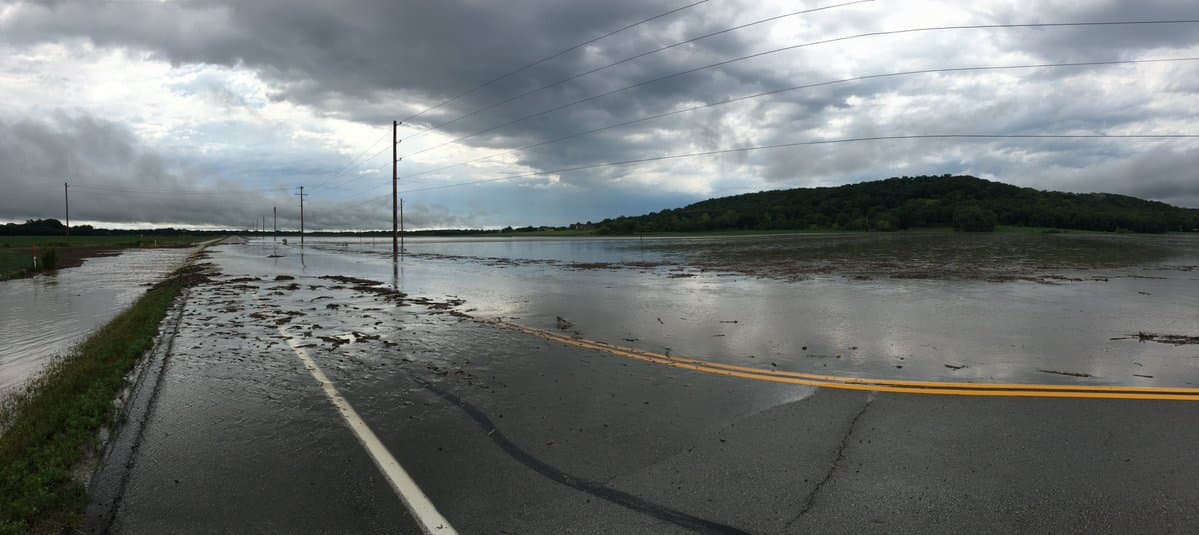
The workshop is tied to Watkins Museum’s exhibit, Lawrence in the Path of Destruction, which is on view on the third floor through July 11. Museum officials say the show centers on the 1911 tornado that ripped through downtown Lawrence, killed two Lawrencians and caused hundreds of thousands of dollars in damage, along with the 1951 Kansas River flood that devastated the region for a full summer. The exhibit also marks July 13, 1951, known as Black Friday, when North Lawrence and rural farmland took major damage and the wider community felt the impact.

That history is paired with a practical warning for households and small businesses now facing another severe-weather season in Kansas. Douglas County Emergency Management says people should rely on more than one way to receive alerts, using tools such as a NOAA Weather Radio, cell phone alerts and local media. The county also offers a free notification system for voice, text and email weather alerts, giving residents a backup if one method fails.
The county’s tornado guidance is blunt about response time. Tornado warnings mean immediate action, with people urged to move to the lowest level of a building, ideally an interior room with no windows. The City of Lawrence says any thunderstorm can produce a tornado with little or no warning, and that residents should seek shelter immediately when a warning is issued or when outdoor warning sirens sound outside of scheduled test days.
That urgency fits the way tornadoes hit this part of Kansas. The city says they are most likely between 3 p.m. and 9 p.m., although they can happen at any time. With damaging wind, heavy rain and possible tornadoes all in the forecast mix during severe-weather season, the Friday session offers a chance to review shelter plans, check alert settings and make sure emergency kits are ready before conditions turn fast.
This article was produced by Prism’s automated news system from verified source data, official records, and press releases, then run through automated quality and moderation checks before publishing. The system is built and supervised by the people who set the standards it runs under. Read our full AI policy.
Did this article answer your question?