Douglas County weighs battery storage, data center rules amid moratorium calls
Battery storage and data centers could alter electric and water bills, fire response and where industrial projects land in rural Douglas County.
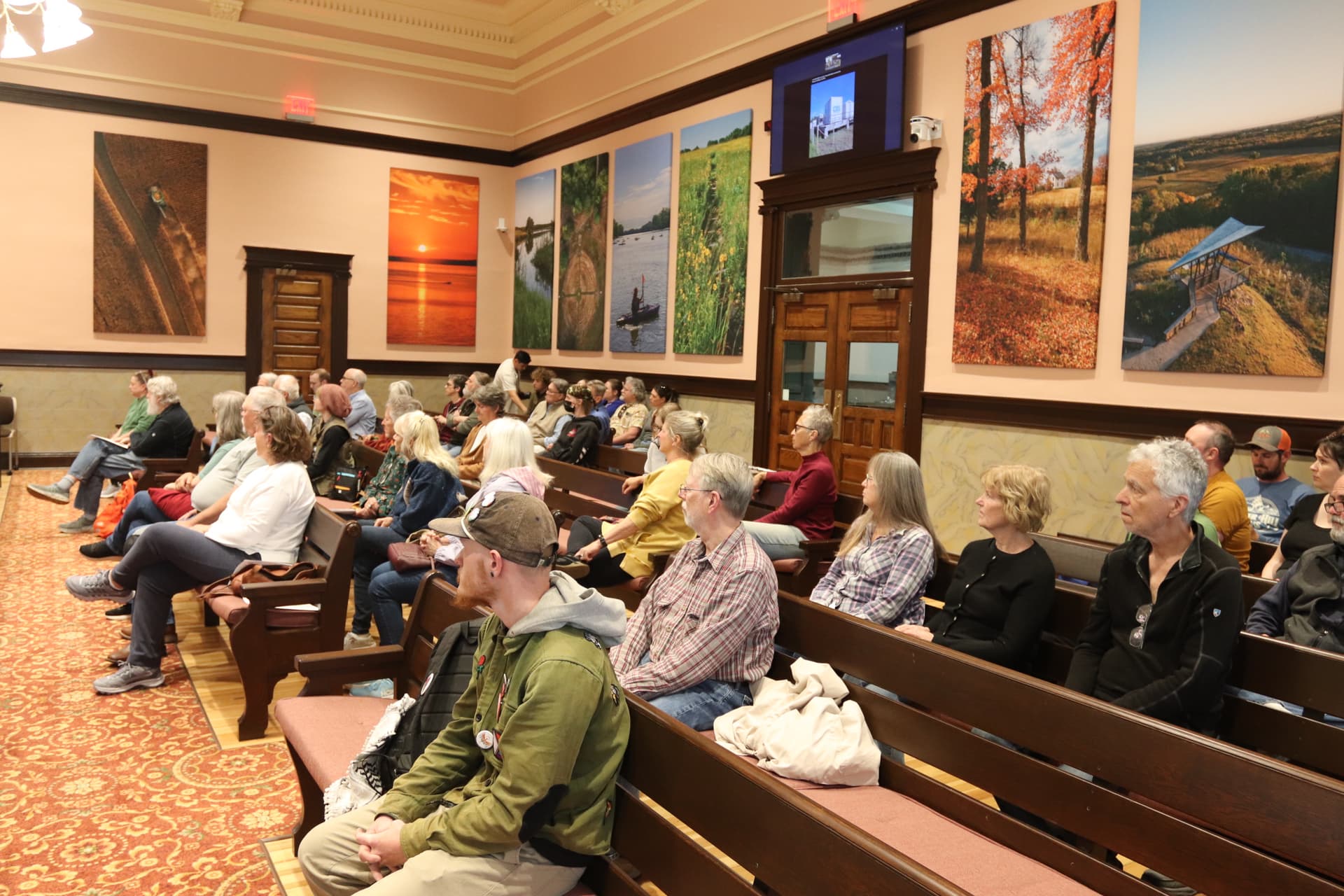
Douglas County residents could soon face a direct question: whether the county is ready to host battery storage sites and data centers, or whether those uses should be paused before they reach rural land, utility systems and fire crews. Commissioners spent a May 6 work session sorting through proposed rules for battery energy storage systems, data centers and digital asset retrieval facilities, but took no action as public pressure mounted for a moratorium or ban.
County staff said the zoning code does not clearly define those land uses, leaving uncertainty over how they would be reviewed or permitted. The county began studying the issue in July 2024, when commissioners voted to start a text amendment to the zoning and land use regulations after a failed cryptocurrency-mining proposal in McLouth helped expose gaps in local rules. Since then, county officials have also received inquiries from companies interested in energy storage sites in unincorporated Douglas County, while large data center projects are being discussed nearby in De Soto and rural Tonganoxie.
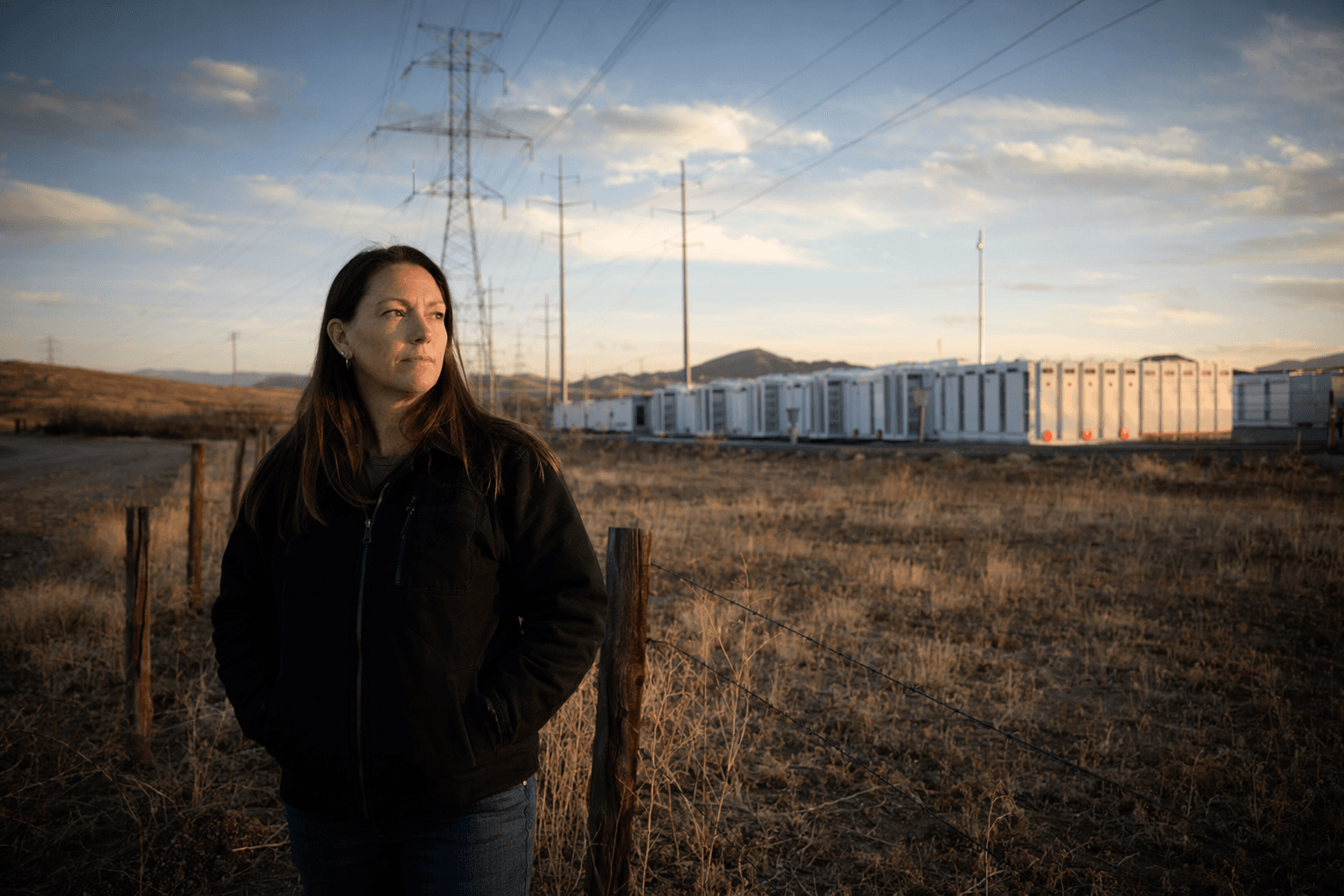
County planner Karl Bauer presented recommendations that would allow data centers and cryptocurrency-mining facilities in industrial zones and battery storage in districts where other utility-scale uses are allowed, as long as each project secured a conditional use permit from the County Commission. But several commissioners questioned whether those proposals fit the county’s rural reality at all. Karen Willey said rural water and electricity demands appeared difficult to meet in Douglas County’s outlying areas, and Bauer said conversations with rural water districts suggested significant infrastructure upgrades would be needed.
Patrick Kelly was even more blunt about the challenge, saying he did not consider data centers appropriate in rural areas because of questionable infrastructure. “I don’t know how to create code for something that’s not possible,” Kelly said, while also urging a fuller understanding of how utilities would affect resource needs. Erica Anderson said a moratorium might be appropriate while the zoning study continues.
Public commenters pushed hardest for that pause. Bauer cited fire concerns tied to battery storage, including thermal runaway, as the county continues to sort out the difference between banning a use and simply not listing it as permitted in the code. Tim Hamilton said a large data center could add at least $50 a month to electric bills and could double or triple water bills. Kincaid Dennett told commissioners they should be explicit if they do not want these projects in the county.
The debate now reaches beyond zoning language and into daily life in unincorporated Douglas County: who pays for new utility demand, how much water a facility would use, whether fire response can keep up, and which parts of the county should be off-limits to the next wave of industrial development.
This article was produced by Prism’s automated news system from verified source data, official records, and press releases, then run through automated quality and moderation checks before publishing. The system is built and supervised by the people who set the standards it runs under. Read our full AI policy.
Did this article answer your question?