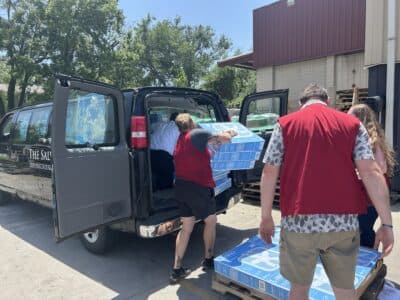
Harvesters faces rising fuel costs, funding cuts in Douglas County food aid
Diesel above $5 a gallon is squeezing Harvesters’ Lawrence food network just as federal cuts cut into pantry supplies. Douglas County agencies already lost canceled TEFAP deliveries.
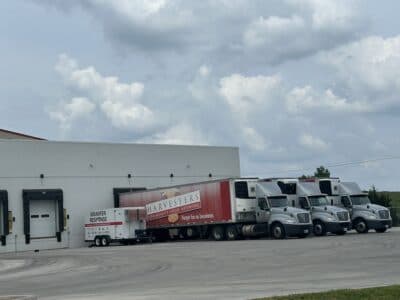
Diesel costs are pushing harder on Harvesters Community Food Network at the same moment federal food aid has been cut back, turning hunger relief into a transportation problem for Douglas County. Harvesters moves food through about 640,000 miles of deliveries across northeast Kansas and northwest Missouri, and every jump in fuel prices raises the cost of getting groceries to pantries, senior sites and other partner agencies.
At its Lawrence warehouse at 1220 Timberedge Road, Harvesters operates a 75,000-square-foot building on a little more than 7 acres, with about 10,000 additional square feet added for docks and freezer space. From that base, the organization serves a 27-county region and works with more than 900 nonprofit partner agencies. Harvesters says its network now reaches about 374,900 food-insecure people, or 1 in 7 residents, and about 110,240 food-insecure children, or 1 in 6 children, based on Feeding America’s 2025 Map the Meal Gap, which uses 2023 data.
The fuel spike is immediate. Kansas diesel topped just over $5 a gallon on May 27, up from $3.26 a year earlier, according to the fuel-price data Harvesters and local media have been citing. Elizabeth Keever, Harvesters’ chief resource officer, said the increase makes a huge difference in local distribution costs. For an agency that is constantly moving food, more expensive fuel means less room in the budget for the same number of deliveries.
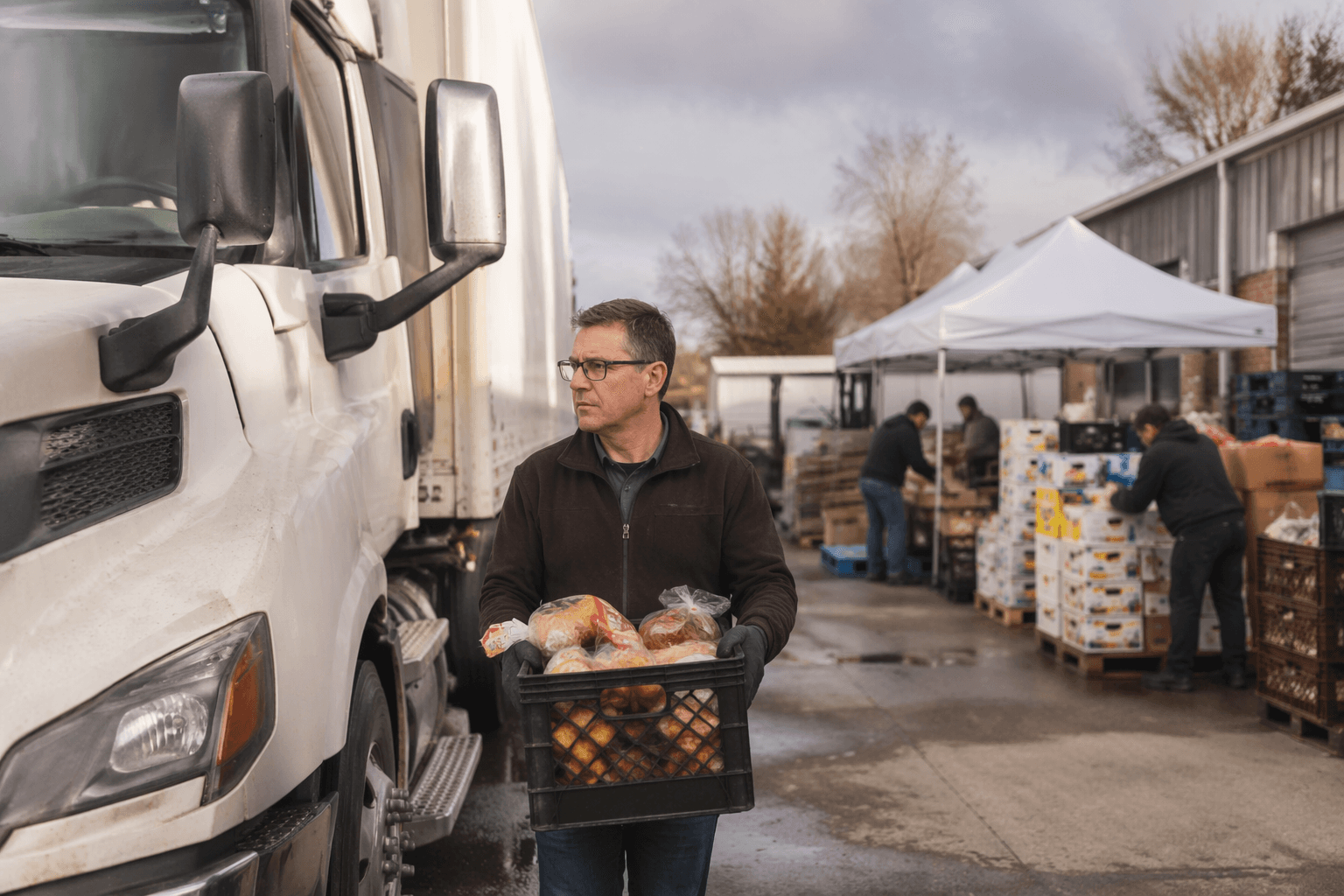
Those transportation pressures landed after a round of food-program cuts that already hit Douglas County. In April, Just Food of Douglas County said it would receive about 30% less TEFAP food, and that orders for 40,000 cases of meat, dairy, eggs and dried fruit scheduled for April through August 2025 were canceled. Just Food said more than 5,500 people in Douglas County rely on TEFAP food through its pantry system, while the organization serves 300 to 600 families a day and supplies more than 30 partner agencies.
Harvesters said in May that its TEFAP program had been reduced by 30% and the Local Food Purchase Assistance Cooperative Agreement Program had been eliminated. The group also said flat federal funding through Sept. 30, 2025, combined with rising food prices, has eroded the purchasing power of TEFAP and the Commodity Supplemental Food Program. Harvesters says its service area gained about 36,000 more food-insecure people in the last year, a sign that Douglas County’s food-aid network is being asked to do more with less.
This article was produced by Prism’s automated news system from verified source data, official records, and press releases, then run through automated quality and moderation checks before publishing. The system is built and supervised by the people who set the standards it runs under. Read our full AI policy.
Did this article answer your question?