Juneteenth film spotlights African American and Native American arrivals to Douglas County
A free Juneteenth screening at the Lied Center will trace African American and Native arrivals to Douglas County, tying local memory to the county’s deeper past.

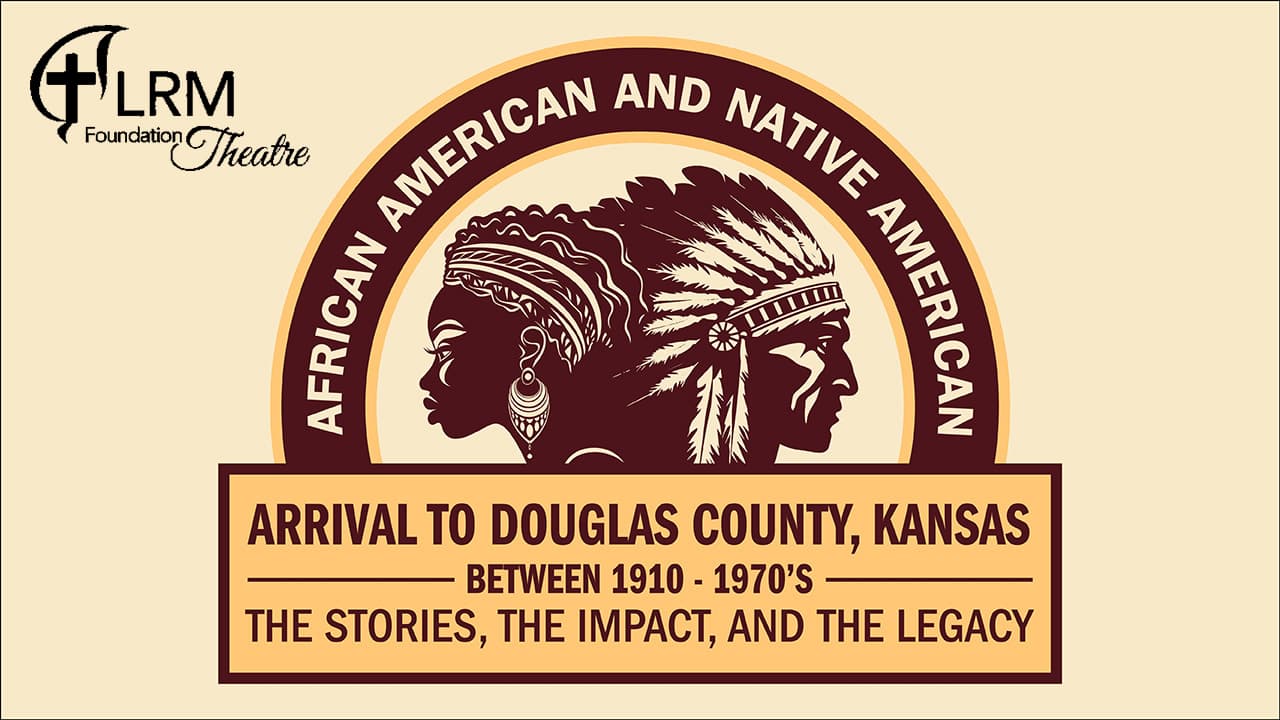
Douglas County’s Juneteenth observance will put a neglected part of local history in front of a public audience: the arrival and legacy of African American and Native American community members whose stories still shape Lawrence and the surrounding county. A new documentary, Generations: African American and Native American Arrival to Douglas County: Stories, Impact and Legacy, will screen as part of the holiday programming, linking Black freedom celebrations to the county’s longer record of settlement, displacement and belonging.
The film will screen Saturday, June 13, 2026, at 7:30 p.m. in the Lied Center of Kansas Main Auditorium in Lawrence. Presented by LRM Foundation Theatre and the Lied Center of Kansas, the event is free and open to the public. Written by Rita Rials and Shakiyya Bland and directed by Rials, the documentary is built around local African American and Native American community members and their arrival to Douglas County, a framing that puts place-based history at the center of Juneteenth rather than treating it as a separate, ceremonial date on the calendar.
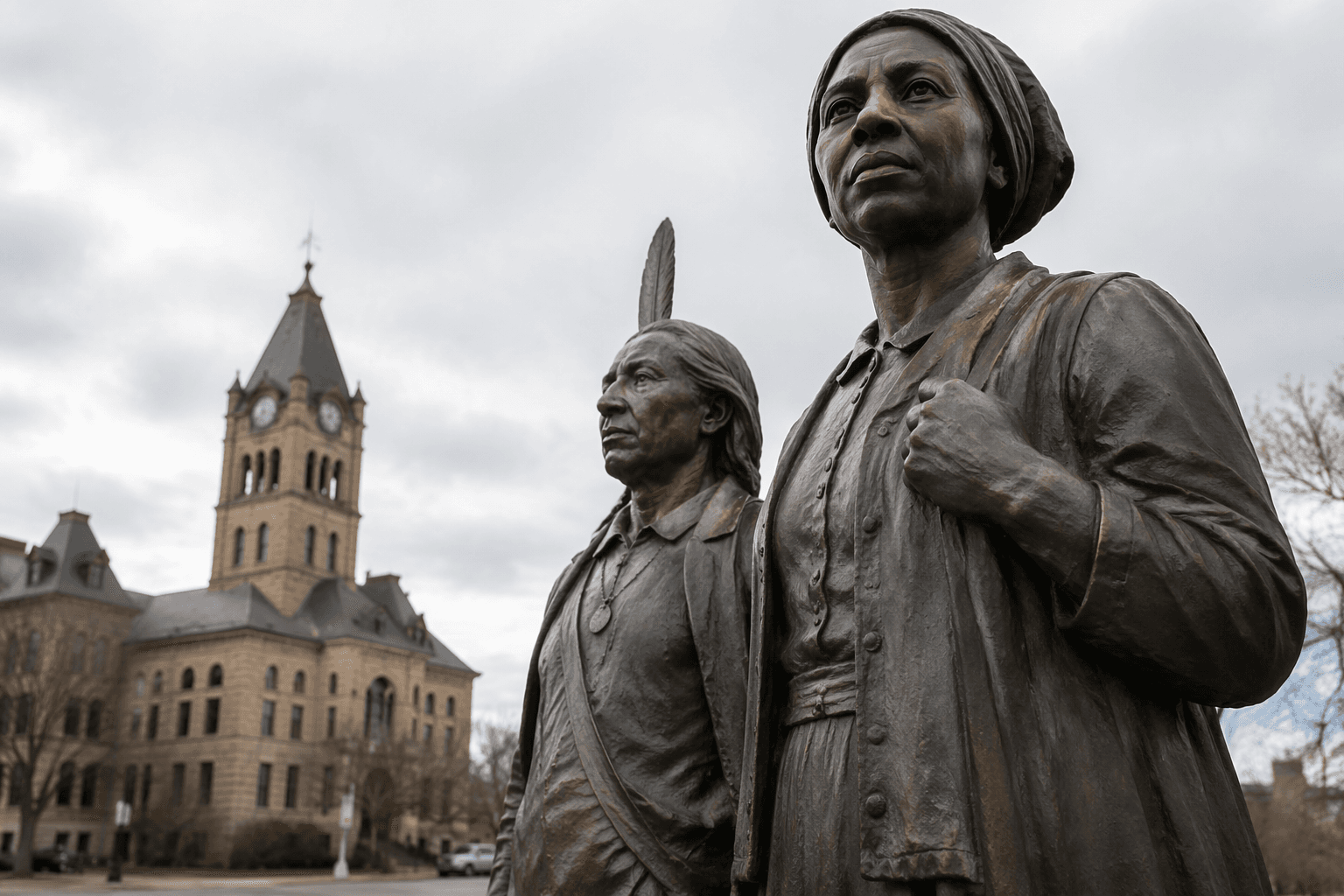
That local emphasis matters because Douglas County’s past reaches well beyond the familiar markers of downtown Lawrence. The Watkins Museum of History, headquarters of the Douglas County Historical Society, says the land now known as Lawrence and Douglas County was home at different times to the Kaw/Kansa, Osage and Shawnee peoples, and also hosted the Lenape/Delaware and other Native nations. The museum’s core exhibits follow struggles for equality from Lawrence’s founding through the early 21st century, while its archives hold thousands of photographs and documents that trace the county’s history through families, neighborhoods and institutions.
The documentary also lands at a time when the county is widening its public telling of that history. Douglas County was founded Aug. 25, 1855, and the Watkins Museum says its current America 250 exhibition will chronicle stories from the 1850s to the 1960s in Baldwin City, Eudora, Lawrence, Lecompton and the Clinton Lake communities. That broader timeline gives the film added weight: it places Juneteenth not only in the story of emancipation, but in the longer history of who has lived here, who was pushed out and who built community anyway.
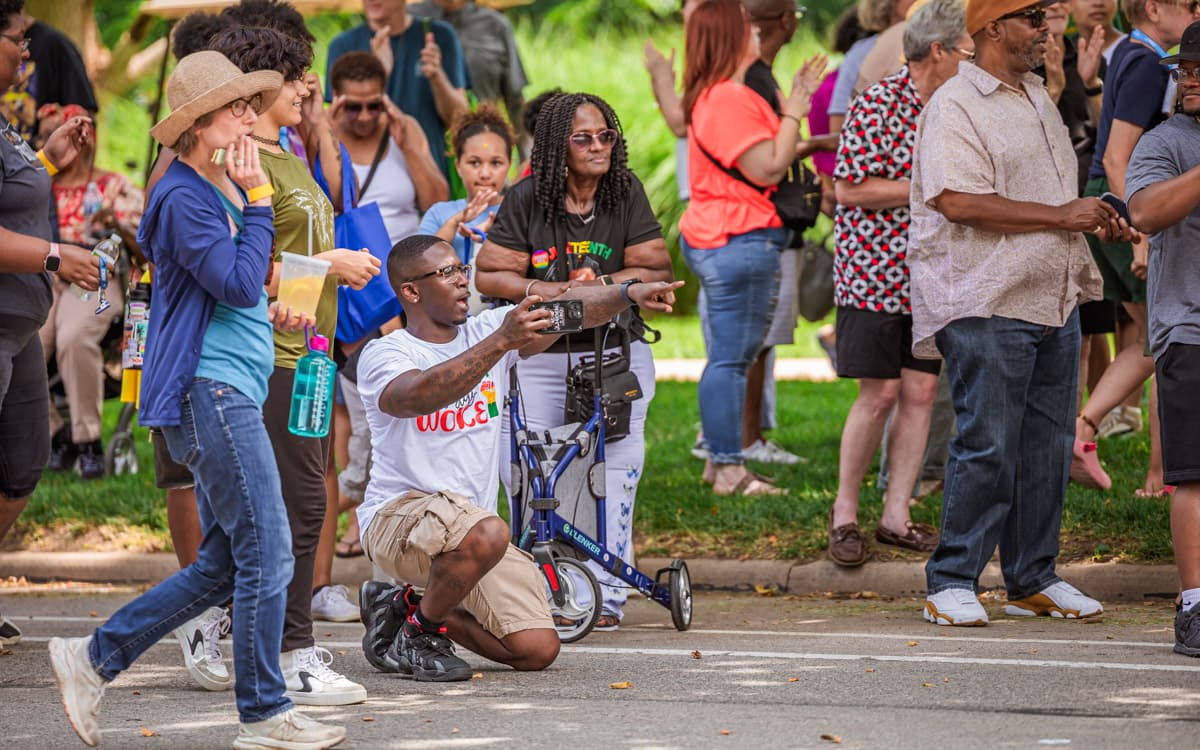
Douglas County’s own website lists Juneteenth celebrations in Lawrence, including a parade and activities in South Park, underscoring how the film fits into a wider countywide commemoration. Past Lawrence events have included oral histories, food vendors, live music and a kid zone, part of an ongoing effort to make Black history visible in public space and to correct the gaps left by the county’s mainstream historical narrative.
This article was produced by Prism’s automated news system from verified source data, official records, and press releases, then run through automated quality and moderation checks before publishing. The system is built and supervised by the people who set the standards it runs under. Read our full AI policy.
Know something we missed? Have a correction or additional information?
Submit a Tip