KU awards $4,000 to four students for Kansas ecosystem research
KU’s $4,000 student awards will fund prairie and soil research tied to the 3,200-acre Field Station north of Lawrence.
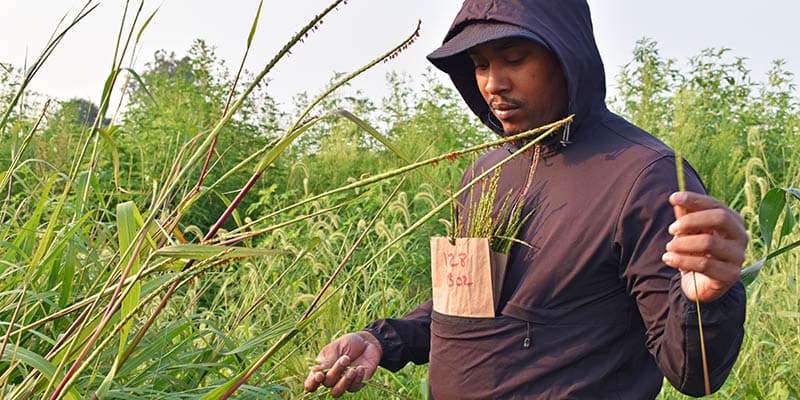
The University of Kansas is sending $4,000 to four student projects that could shape how prairie, soil and native plants are managed across Douglas County and the wider Kansas landscape.
The Kansas Biological Survey & Center for Ecological Research announced the 2026 Student Research Awards on May 6, backing work that includes prairie restoration after redcedar invasion and belowground dynamics in prairie plants. The projects are anchored in the KU Field Station, a 3,200-acre research network that stretches across 11 reserves in Douglas, Jefferson and Anderson counties and includes the 1,654-acre Core Research & Operations Area just north of Lawrence.
For Douglas County, the research carries direct local relevance. The Field Station also maintains 5 miles of public trails and supports public programming, putting the science in a place where residents, students and land managers can see the same landscapes the projects are meant to explain. Prairie restoration, native plant ecology and soil interactions all feed into decisions about how to protect grasslands, farms and conservation land in eastern Kansas as invasive eastern redcedar continues to reshape open country.
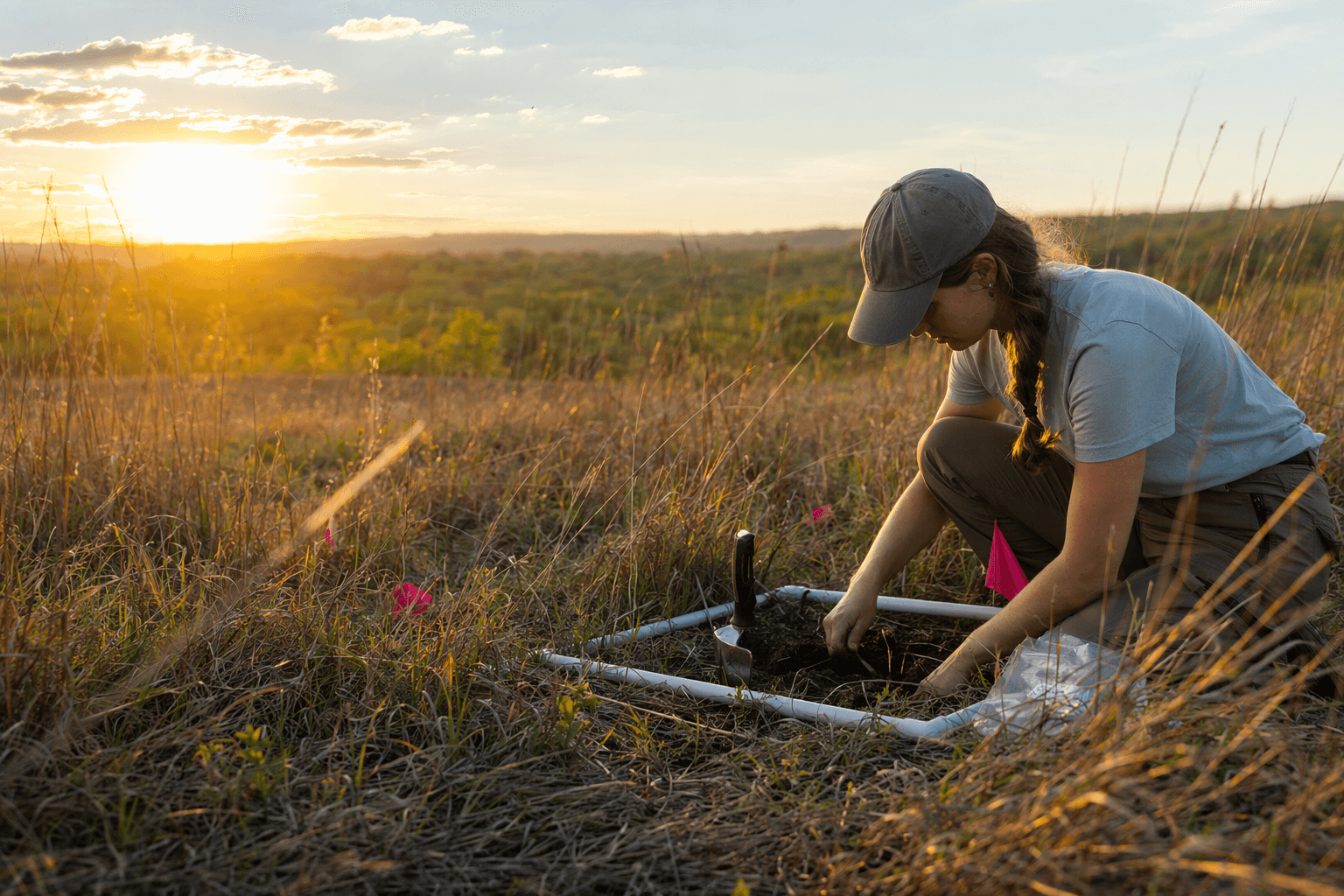
Two of the named recipients are studying questions with clear on-the-ground stakes. Yufan Zhou, a doctoral student, is examining plant-soil feedback and competition in native Kansas prairie species. Martel Ellis, a graduate student, is studying root traits in eastern gamagrass to better understand belowground strategies. Those questions matter far beyond the lab because they address how native species compete, recover and hold ground in the kinds of prairie systems still found in and around Lawrence, Baldwin City and rural Douglas County.
Sara Baer, who chairs the awards committee, said the students are tackling problems that matter in Kansas and that the center is glad to provide assistance. Each award will also lead to a presentation during the 2026-2027 academic year, and the student-awards page says recipients present at a Friday Ecology Seminar, creating a public step between fieldwork and wider scientific discussion.
The awards fit a program that has varied in size from year to year. KU gave $4,000 to four students in 2025, $7,500 to seven students in 2024 and $6,500 to six students in 2023. They also sit inside a much larger research operation: in 2025, the Kansas Biological Survey reported $21.5 million in active grant funding, 65 active grants and contracts, 53 peer-reviewed publications, 50 academic presentations, 39 active research projects at the Field Station, 38 community events and more than 3,000 information requests. Researchers also chaired 32 master’s thesis and doctoral dissertation committees and mentored 77 KU undergraduate or post-baccalaureate students, showing how a small awards pool feeds a much larger pipeline of Kansas science.
This article was produced by Prism’s automated news system from verified source data, official records, and press releases, then run through automated quality and moderation checks before publishing. The system is built and supervised by the people who set the standards it runs under. Read our full AI policy.
Did this article answer your question?