KU engineer Amy Hansen wins Fulbright for Chile water research
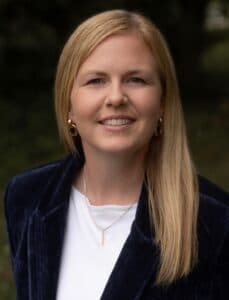
KU engineer Amy Hansen will study how water mixes in Chile, research that could help Kansas better understand runoff, drought and river water quality.
Amy Hansen’s new Fulbright project is not just about Chile. For Lawrence and Douglas County, it reaches into the same questions that shape local water planning: how runoff moves through rivers and wetlands, how drought changes flow, and what happens when water from different sources starts to mix.
Hansen, an associate professor in the University of Kansas Civil, Environmental & Architectural Engineering Department, won a Fulbright U.S. Scholar Award for the 2026-27 academic year. The award will support three months of research in Chile beginning in spring 2027, with backing from the U.S. Department of State and the Fulbright Foreign Scholarship Board.
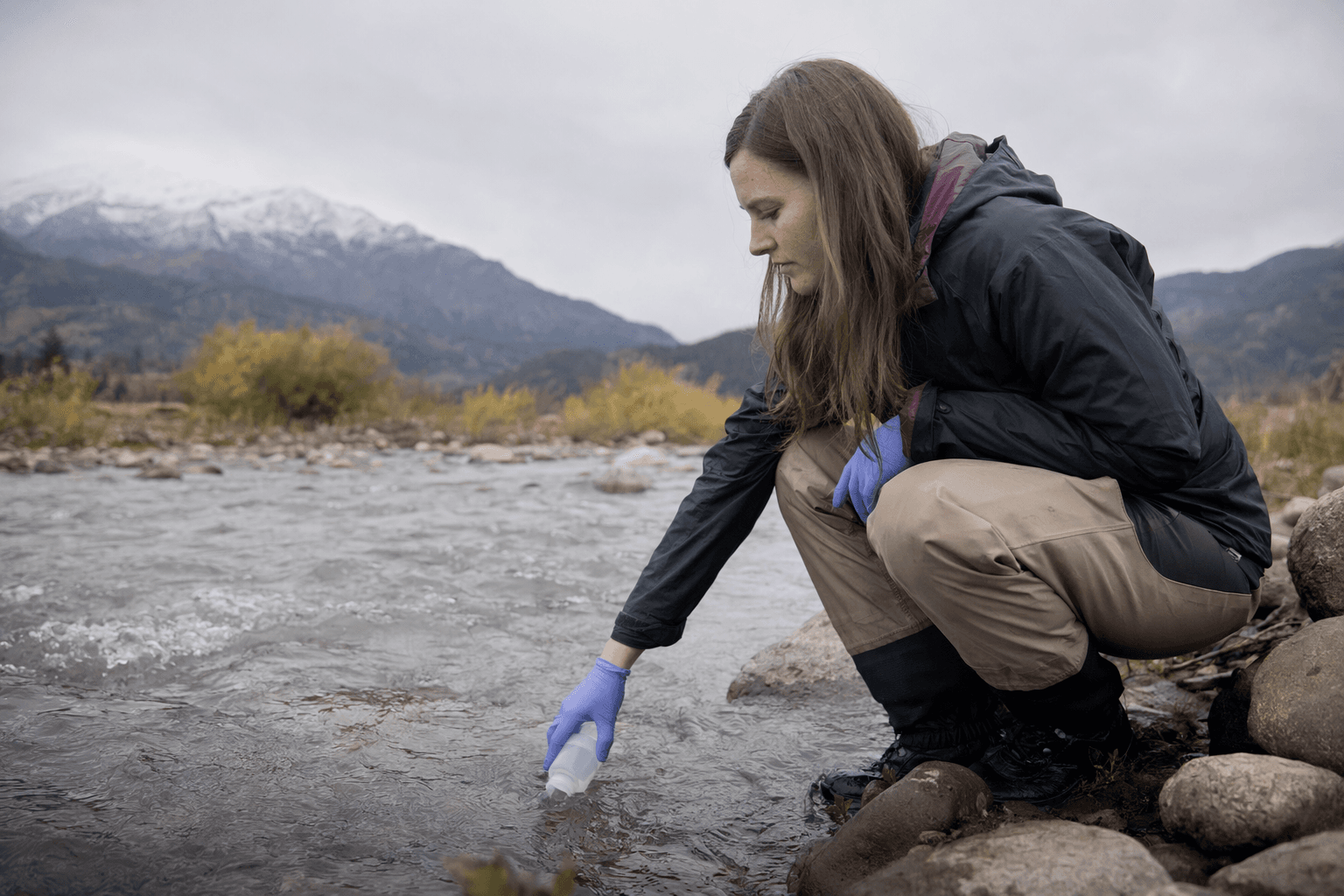
Her project focuses on density-driven mixing in natural waters, especially when salinity or temperature changes how water moves. Hansen plans to study saltwater intrusion into estuaries, urban runoff entering rivers and glacial meltwater mixing with nonglaciated runoff. In the field, she will measure water velocity and concentration profiles across sites to see how the fluids interact.
That work fits closely with Hansen’s KU research on surface water quality, eco-hydrology, wetlands, biophysical process interactions, watershed management and mass transfer. KU says she has been at the university since 2018, and a speaker biography says she earned her Ph.D. at the University of Minnesota. For a Kansas audience, the connection is direct: the same processes that shape river health in Chile also influence how pollutants spread, settle or dilute in streams and wetlands around Lawrence and the broader county.
Chile gives Hansen a natural laboratory. She said the country’s range of climates and ecosystems makes it an ideal place to study mixing across very different landscapes. In addition to fieldwork in Chile, KU’s Latin America Fund will help extend the research to Patagonia, where she plans to study glacial meltwater systems.
Hansen will work with Cristian Escauriaza, a professor of hydraulic and environmental engineering at Pontificia Universidad Católica de Chile. Escauriaza’s work in fluid mechanics, sediment transport, morphodynamics, floods and renewable energy complements Hansen’s field-based approach.

The project lands at a time when water questions are sharpening in both places. Recent scientific literature has found that glacier meltwater can be an important source of water in central Chile during dry summers and drought, and a study of the Juncal Norte Glacier examined whether glacier mass loss affected groundwater storage from 1990 to 2022. Research on estuaries has also warned that salt intrusion is likely to intensify as sea-level rise and reduced river discharge interact.
Fulbright says roughly 850 faculty and professionals receive Scholar awards globally each year. In Chile, the program is designed to strengthen scholarly exchange and long-term partnerships between the two countries, and Hansen’s work adds KU’s name to that exchange while building knowledge that can travel back to Kansas.
This article was produced by Prism’s automated news system from verified source data, official records, and press releases, then run through automated quality and moderation checks before publishing. The system is built and supervised by the people who set the standards it runs under. Read our full AI policy.
Did this article answer your question?