KU engineer wins NSF award to tackle plastic waste
A KU engineer won a $500,000 NSF award to turn hard-to-recycle polypropylene into useful products, a move that could shape local waste and workforce efforts.
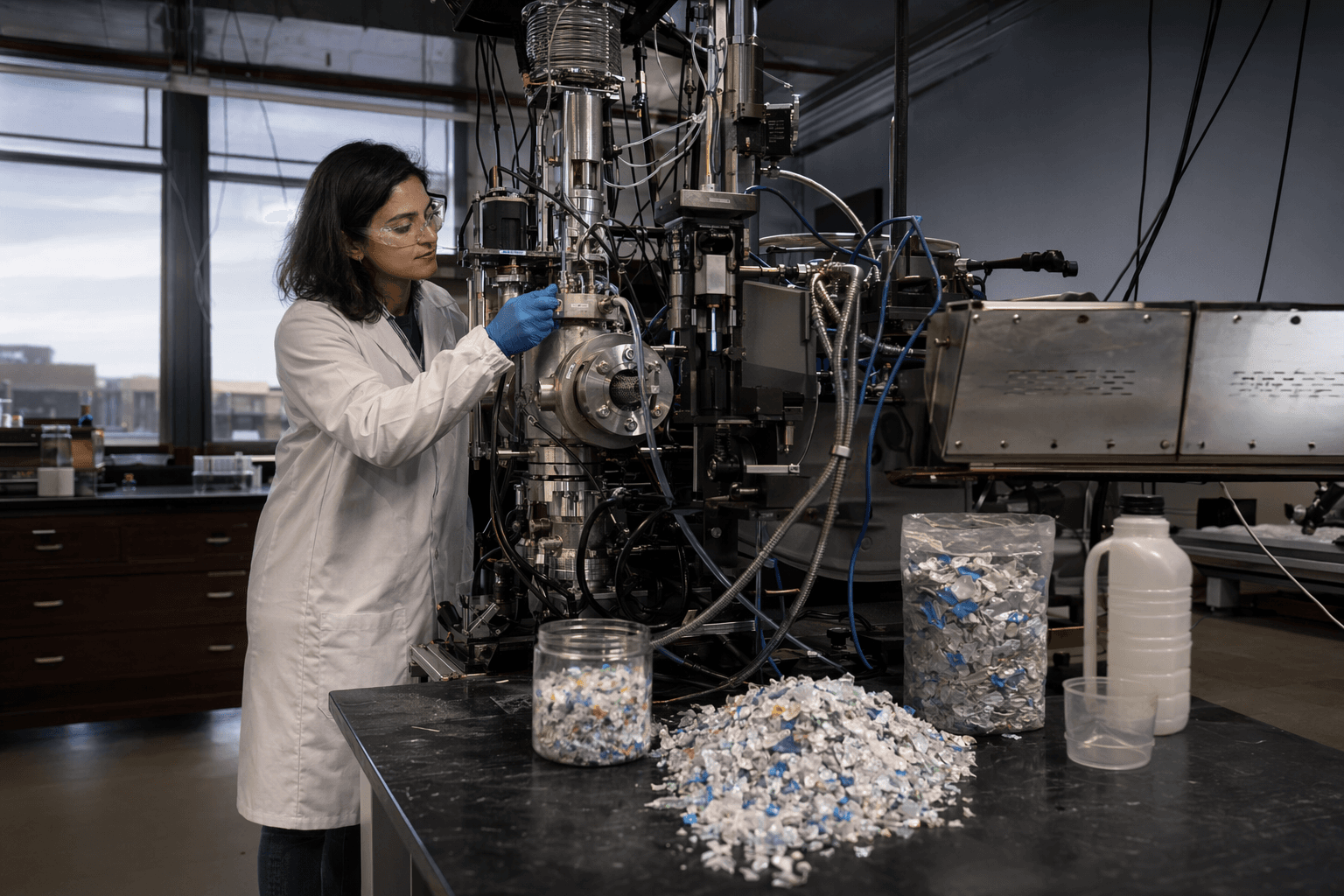
A University of Kansas engineer whose work could help shrink the region’s plastic burden has landed a $500,000 federal award to study how some of the hardest plastics to recycle can be converted into useful products. For Douglas County, the payoff could reach beyond the lab: more research at KU, more training for engineering students and a stronger pipeline from campus science to real-world waste solutions.
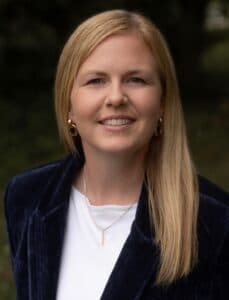
Ana Rita C. Morais, an assistant professor of chemical and petroleum engineering at KU, received a National Science Foundation CAREER Award, the agency’s most prestigious grant for early-career faculty. The five-year award is designed for researchers who can serve as role models in both research and education, and KU said it will support Morais’ work on sustainable plastics solutions while strengthening outreach and student training.
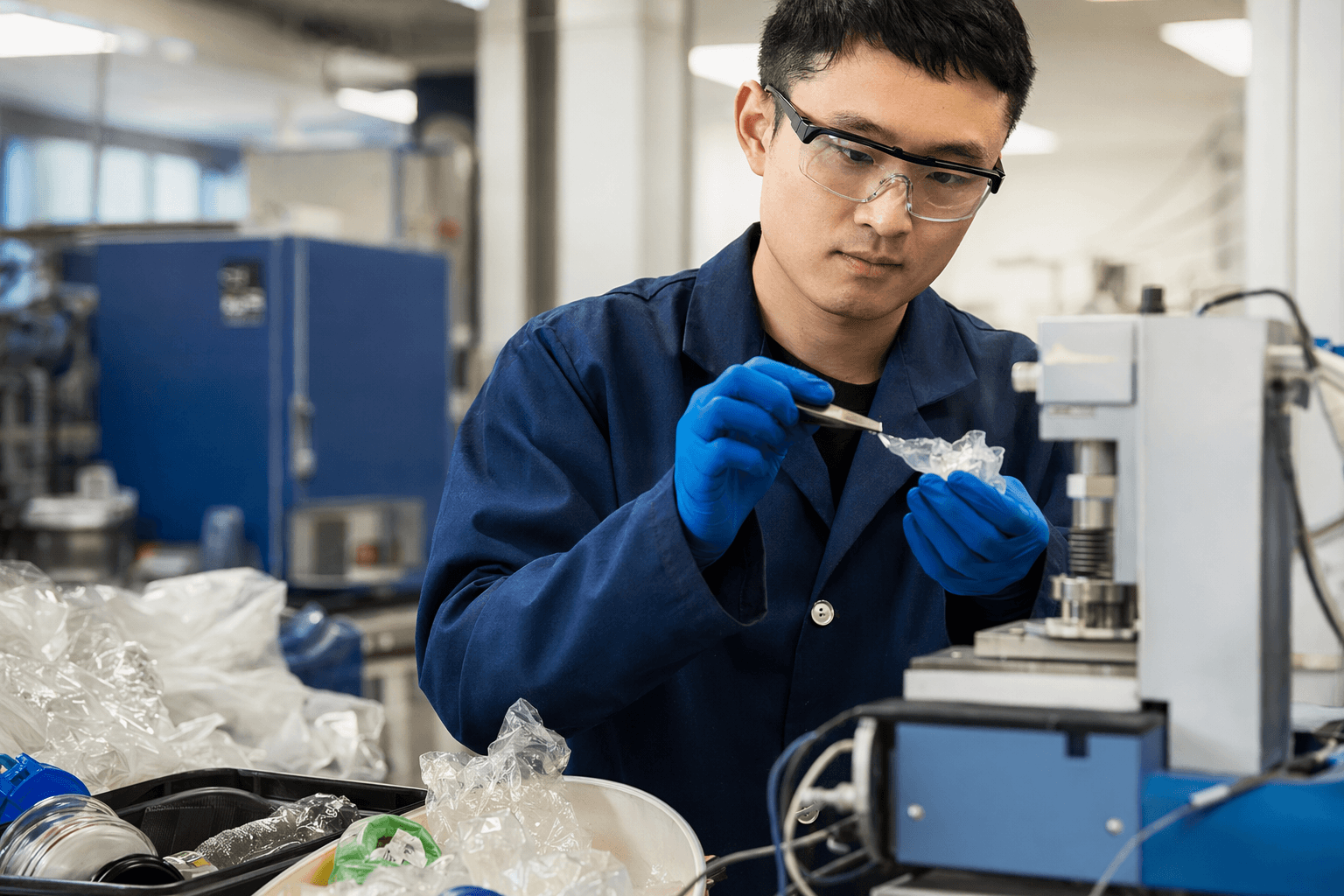
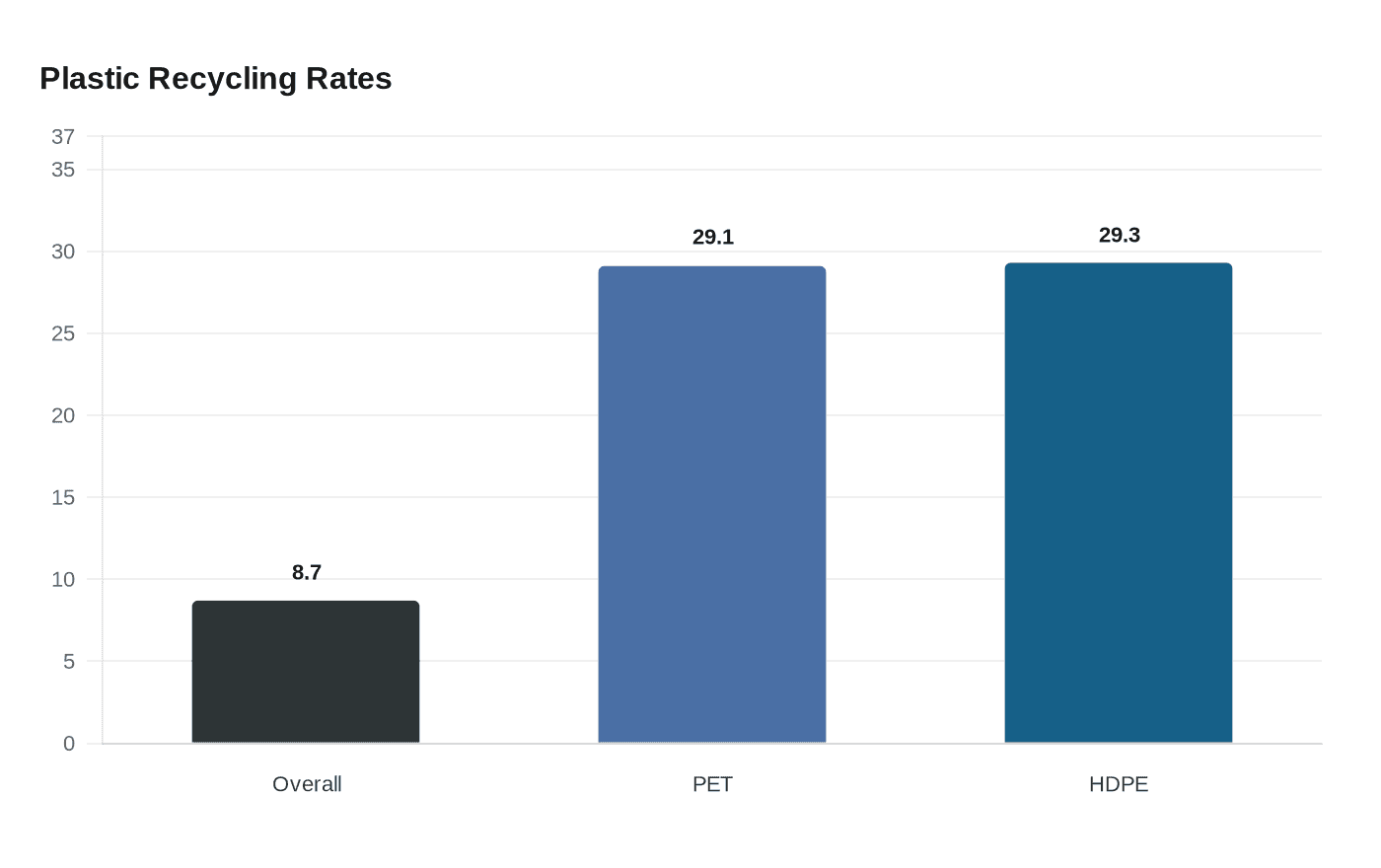
The research lands in the middle of a stubborn national problem. The U.S. Environmental Protection Agency says plastics accounted for 35.7 million tons of municipal solid waste in 2018, or 12.2% of the total. Yet the overall plastics recycling rate was just 8.7%, with 3 million tons recycled that year. Containers and packaging alone held more than 14.5 million tons of plastic. Even among more recyclable items, the EPA reported rates of 29.1% for PET bottles and jars and 29.3% for HDPE natural bottles. Polypropylene, the material Morais is targeting, is used in food packaging, car parts and many everyday consumer products, but less than 1% of polypropylene waste is recycled in the United States.
Morais’ KU work focuses on improving how structurally diverse polypropylene substrates can be converted into fuels, chemicals and other useful materials. Her lab is studying whether carbon dioxide, under carefully controlled conditions, can improve the chemical processes that break down waste plastics, and KU says her current research examines how subcritical and supercritical CO2-containing media influence catalytic conversion and the reaction behavior of polypropylene. Her broader research portfolio also includes supercritical fluids for enhanced chemical transformation of postconsumer plastics and CO2-assisted conversion of polyethylene and PET.
The award gives KU more than a line on a campus résumé. Morais, who is deputy director of the Wonderful Institute for Sustainable Engineering, said the grant reflects the strength of KU Engineering and will help train the next generation of engineers. That matters in Lawrence and across Douglas County, where KU’s research capacity can feed local workforce development, spark partnerships and push sustainability work from theory toward commercialization. Morais, who earned her doctorate in Sustainable Chemistry from the New University of Lisbon in 2018, now gives the university another high-profile foothold in a field that could shape how Kansas handles plastic waste for years to come.
This article was produced by Prism’s automated news system from verified source data, official records, and press releases, then run through automated quality and moderation checks before publishing. The system is built and supervised by the people who set the standards it runs under. Read our full AI policy.
Did this article answer your question?