KU fellowship reaches record 67 doctoral students, Lawrence scholar included
KU’s Self Graduate Fellowship hit a record 67 fellows, including Lawrence aerospace scholar Jonathan Guzman, in a program worth more than $275,000 per student.
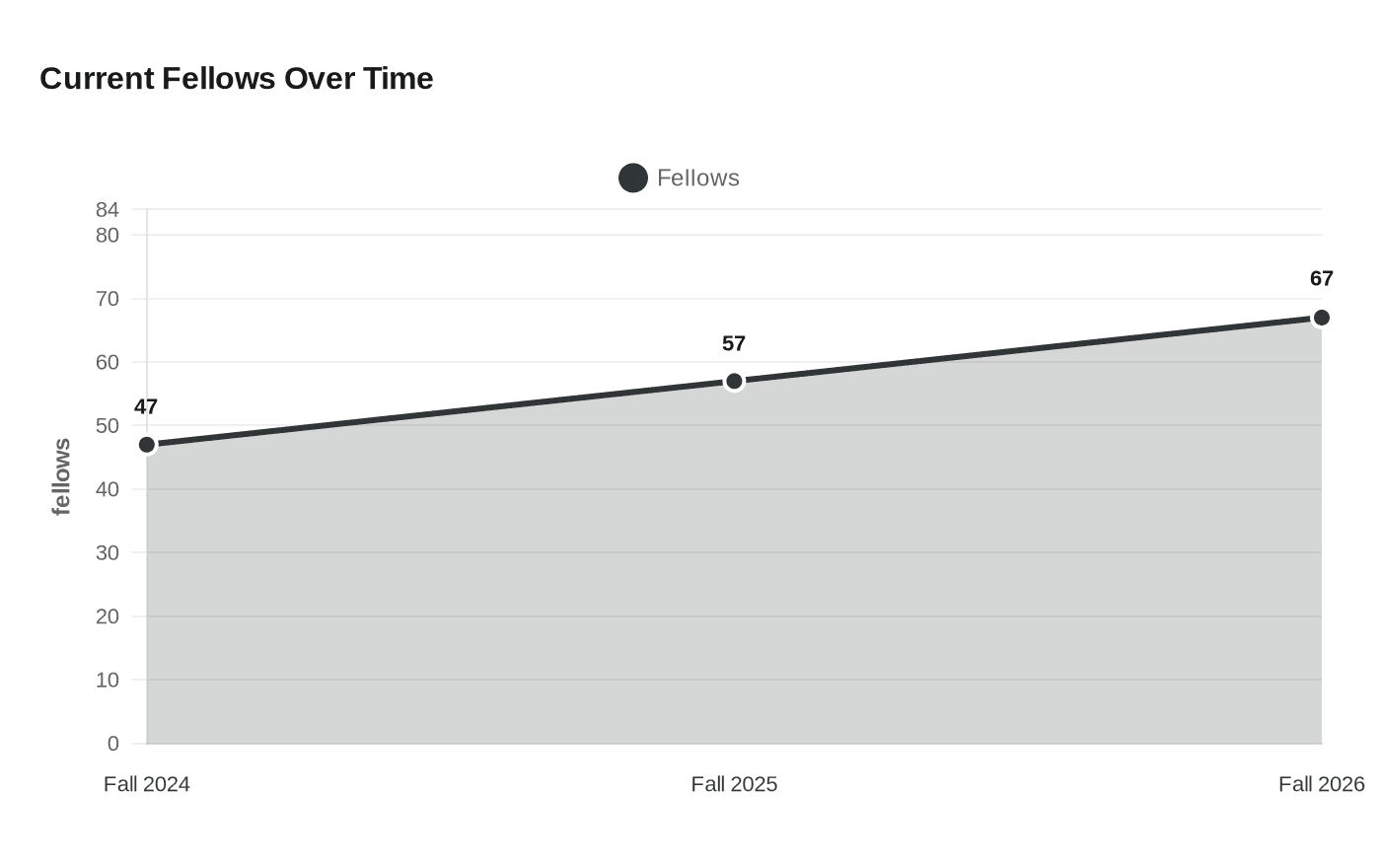
KU has pushed its Self Graduate Fellowship to its largest level yet, selecting 17 doctoral students for the 2026-2027 cohort and bringing the number of current fellows expected in fall 2026 to 67. That marks the biggest fellowship population in the program’s history and underscores how the university is using the award as a talent pipeline, not just a scholarship.
The fellowship package is substantial. Each fellow receives full tuition and fees, $40,000 a year in graduate research assistant support, a $15,000 professional-development award, a $5,000 startup award and a $3,000 textbook-and-technology award. KU says the four-year value exceeds $275,000, a level of support that can make the difference for doctoral students deciding whether they can stay in graduate school and finish.
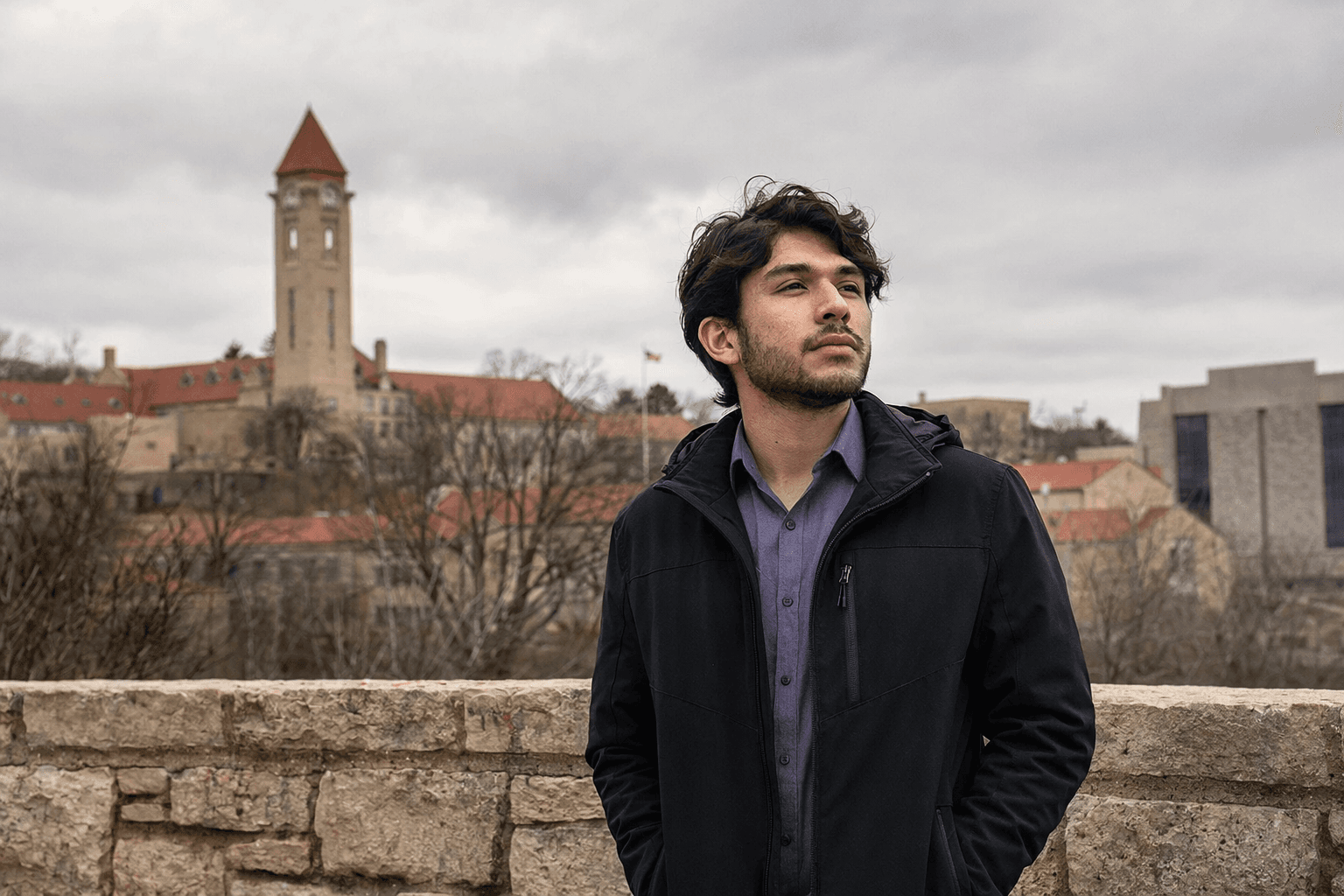
The Lawrence connection in the new class is Jonathan Guzman, who earned bachelor’s and master’s degrees in aerospace engineering from KU and will continue doctoral work in the same field. His selection gives the expansion a local face in a program that KU has built around high-achieving researchers whose work can reach well beyond campus, including engineering, science and policy fields with direct public impact.
KU said the fellowship has now supported more than 220 doctoral students since Madison Self and Lila Self permanently endowed it in 1989. The 2026 cohort continues a steady climb in participation, following 15 fellows in 2024-2025 and 20 in 2025-2026. Current fellows grew from 47 in fall 2024 to 57 in fall 2025 and now are expected to reach 67 in fall 2026.
The program now covers 22 eligible academic fields, after KU added anthropology in 2024. University leaders said the expansion was meant to reach more future leaders in STEM, business and interdisciplinary research. That breadth matters for Douglas County because it helps keep advanced talent in Lawrence while also strengthening KU’s ability to attract outside investment, research grants and high-profile graduate students who can build careers around the university.
Beyond the money, fellows move through a leadership curriculum that includes communication coaching, workshops, guest lectures and a government-and-science-policy seminar in Washington, D.C. Jennifer Roberts, KU’s vice provost for academic affairs and graduate studies, oversees the fellowship as managing trustee, while Madison and Lila Self Graduate Programs administer both the fellowship and the Self Memorial Scholarship.
For Lawrence, the payoff is gradual but durable. A larger, stronger fellowship pool means more doctoral researchers on campus, more expertise circulating through KU labs and classrooms, and more long-term economic and intellectual capital flowing into a city that depends heavily on the university’s reach.
This article was produced by Prism’s automated news system from verified source data, official records, and press releases, then run through automated quality and moderation checks before publishing. The system is built and supervised by the people who set the standards it runs under. Read our full AI policy.
Did this article answer your question?