KU invites public to tour Kaw House, Kansas first mass plywood home
KU’s new Kaw House brings Kansas’s first mass plywood home to Lawrence, built as supportive housing for people transitioning out of homelessness.
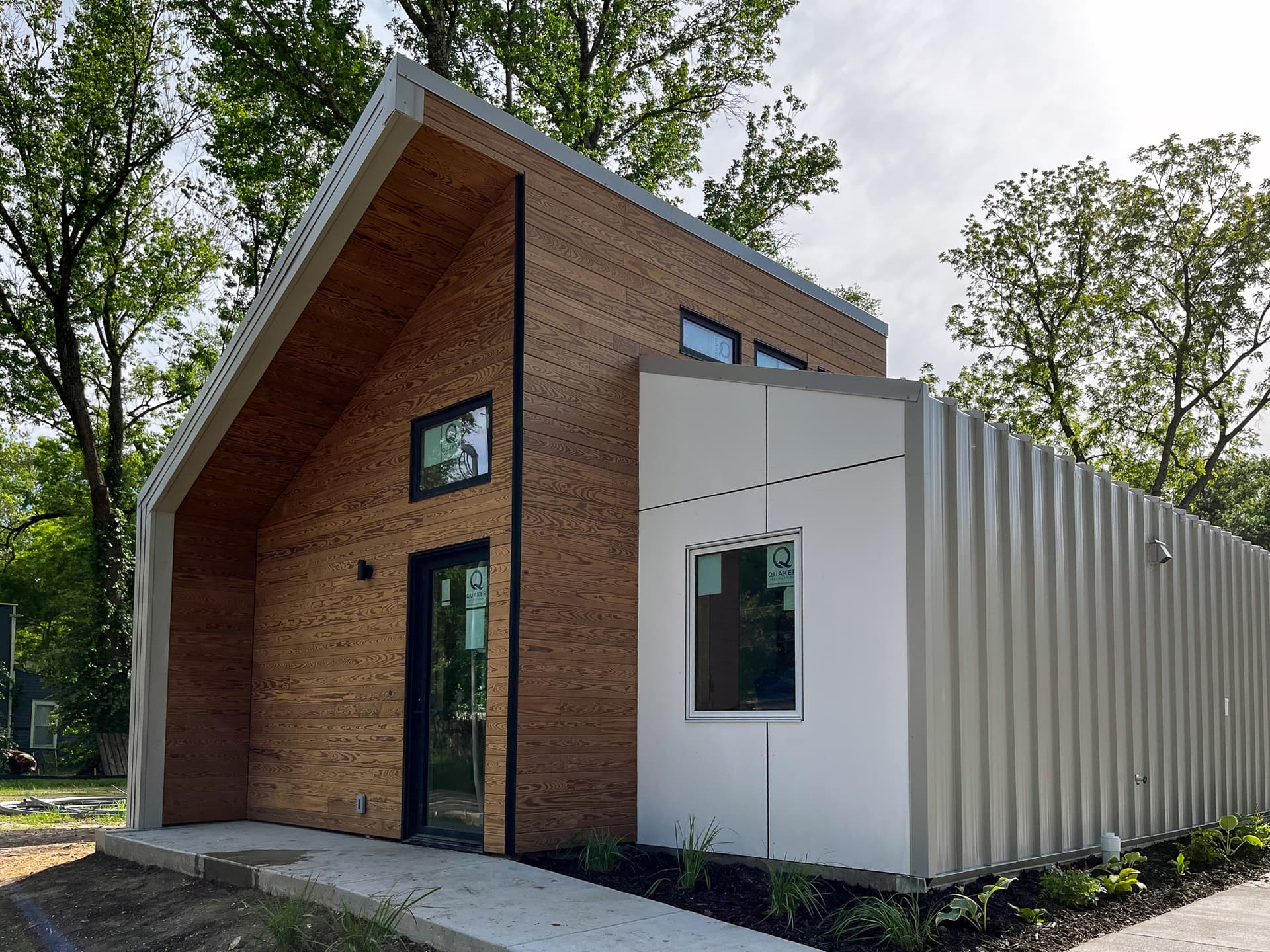
The University of Kansas will open Kaw House to the public Friday, giving Lawrence residents a look at a small home that doubles as a local housing response and a classroom project. The open house is set for 10 a.m. to 2 p.m. at 613 N. Third St. in North Lawrence, with a ribbon cutting and remarks at 10 a.m. before tours begin.
KU says the house is intended for individuals transitioning out of homelessness, which answers the first practical question behind the project: Kaw House is not a student showcase in search of a purpose, but a compact supportive home meant to help people move into stable housing. The university built it through Dirt Works Studio in the School of Architecture & Design, in partnership with Tenants to Homeowners, making it the second collaboration between the two groups after Phoenix House.
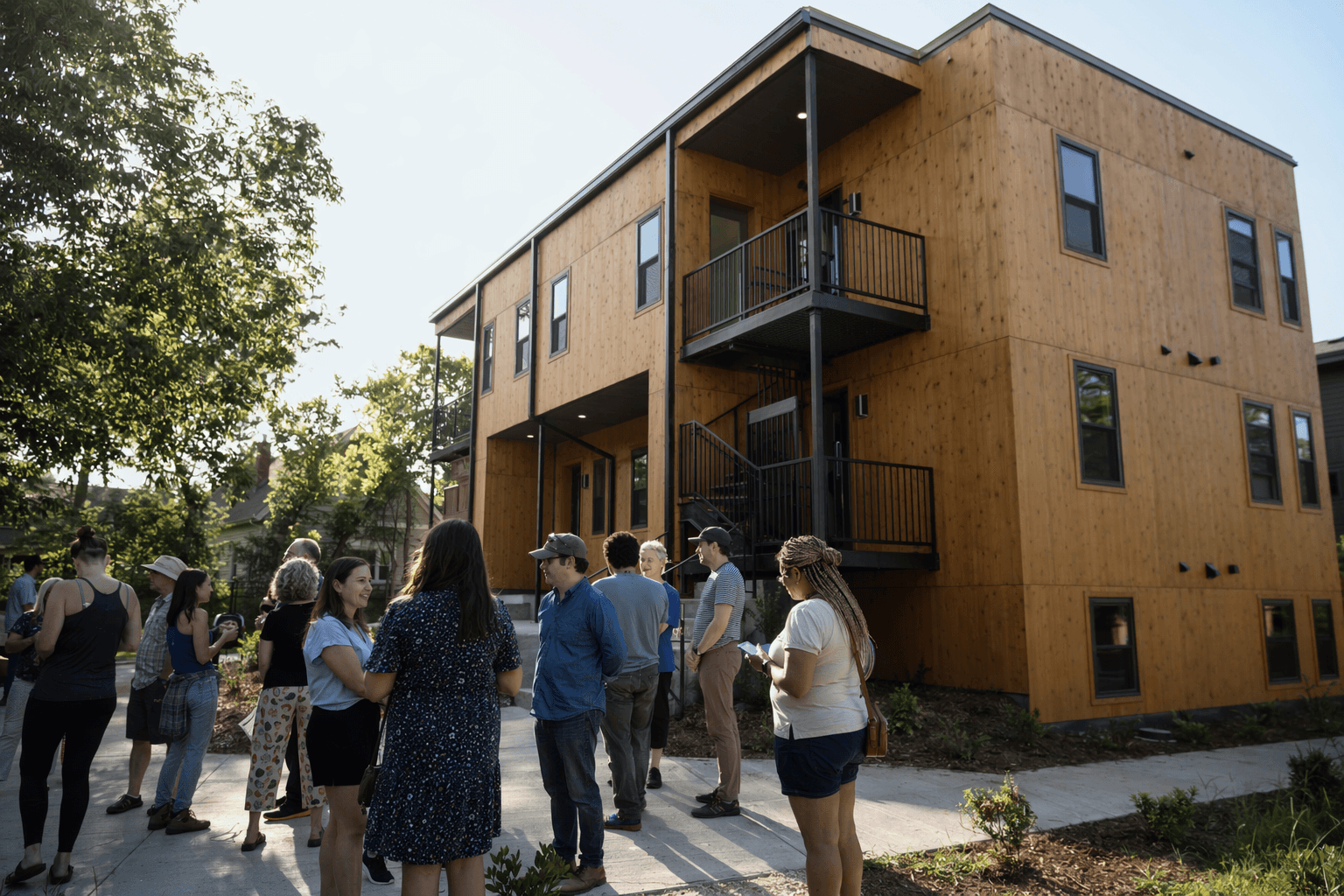
The project also marks a construction milestone. KU says Kaw House is the first use of mass plywood panel construction in Kansas, a system that combines prefabricated light wood-frame exterior wall panels with a mass plywood panel wall and roof structure. The house also uses continuous insulation, rigorous air-sealing, a mini-split heat pump and an energy recovery ventilator, all designed to create a highly insulated, air-tight building envelope that reduces energy use and embodied carbon.
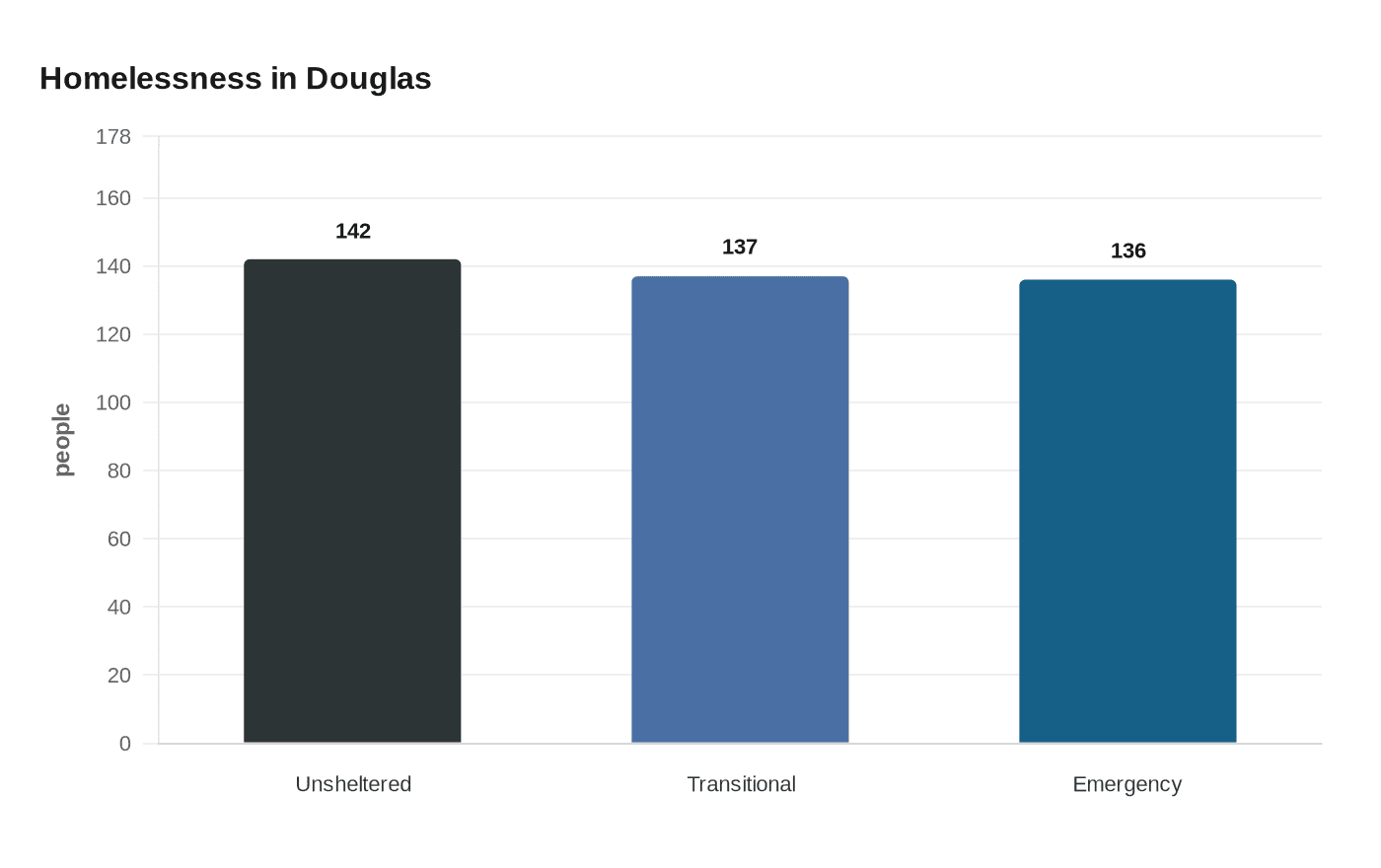
That matters well beyond one address in North Lawrence. Supportive housing remains part of a larger Douglas County shortage, and the city’s numbers show how wide the gap still is. The City of Lawrence said the 2024 Point-in-Time Count found 414 people experiencing homelessness in Douglas County on a single night, including 142 unsheltered residents, 137 in transitional housing and 136 in emergency shelter. When the city and county launched a public homelessness dashboard in May 2025, it reported 589 people documented as experiencing homelessness in March 2025.
Those figures help answer the second question: whether the university-built model can be replicated. Kaw House suggests it can. The house was developed through an ongoing partnership rather than a one-off exercise, with Chad Kraus listed as the course instructor and Apex Engineers serving as structural engineer. Build Smart and Freres Engineered Wood also took part in the collaboration, pointing to a network of partners that could be assembled again for future units.
Lawrence’s A Place for Everyone plan aims to reach functional zero by 2028, and Kaw House fits that goal as a small but tangible addition to the city’s housing stock. In a county where the need is measured in hundreds, the project offers something larger than one home: a repeatable model for turning student design work into real shelter.
This article was produced by Prism’s automated news system from verified source data, official records, and press releases, then run through automated quality and moderation checks before publishing. The system is built and supervised by the people who set the standards it runs under. Read our full AI policy.
Did this article answer your question?