KU students join May Day protest, skipping classes in Lawrence
KU students skipped class and work to press campus leaders on safety, ICE, Israel investments and treatment of international students, turning May Day into a campus message.

KU students turned May Day into a direct challenge to University of Kansas leaders, leaving class and work Friday to march from the Ecumenical Campus Ministries lawn on Oread Avenue to Fraser Hall and back in a show of campus frustration that reached beyond a single issue.
The protest put several concerns in one place: campus safety, immigration enforcement, KU’s investments in Israel, treatment of international students and fair treatment for workers. Organizer Aliyah Haq said, “We’re here because KU needs to hear our voices,” a line that captured how students framed the demonstration as a message to the administration, not just a symbolic holiday event.
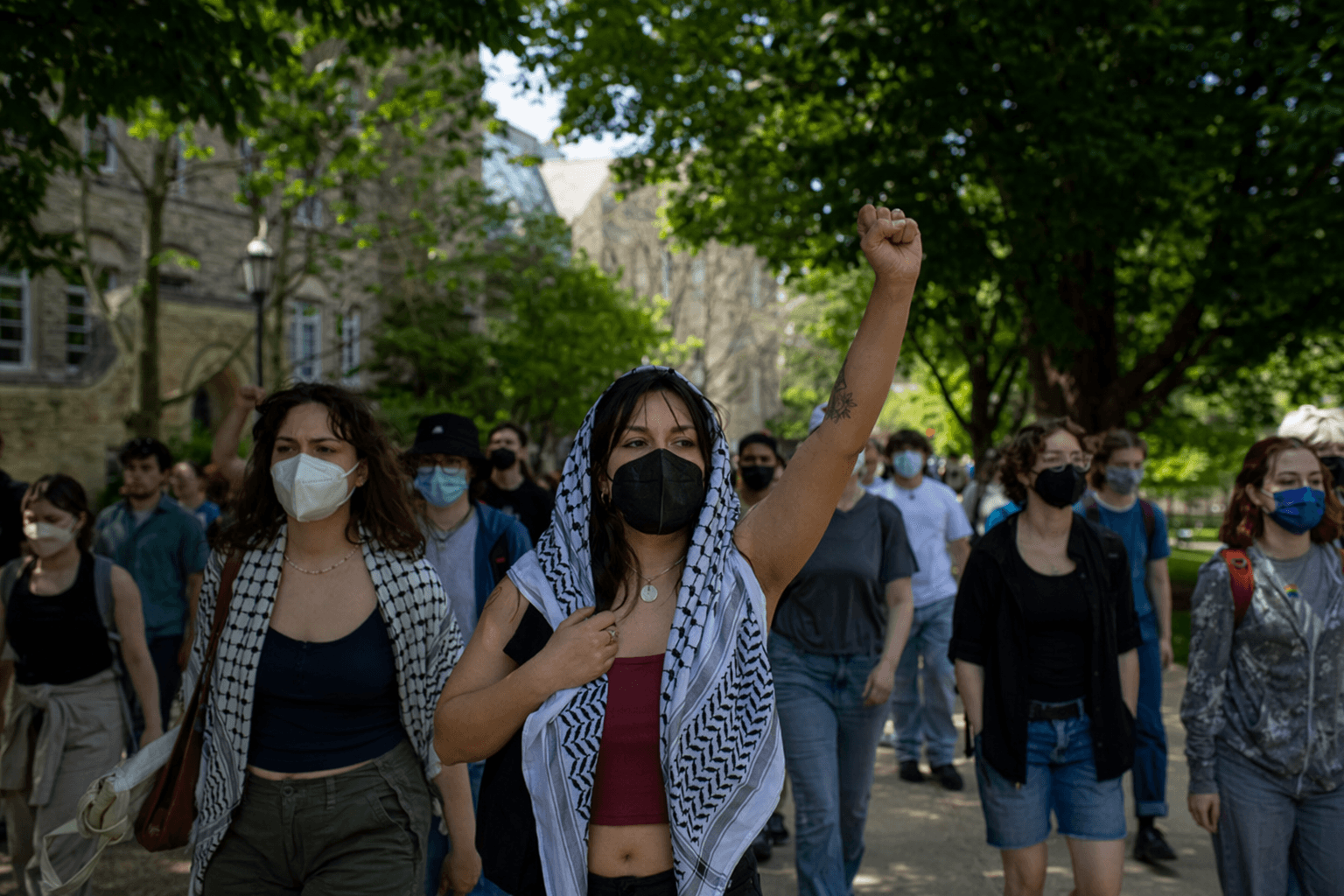
That message landed in the middle of a larger day of organized action in Lawrence. The city’s May Day actions had already been framed as a stand against economic injustice and a push for human rights, with separate demonstrations at KU and downtown Lawrence. The downtown march began at Ninth and Massachusetts streets, moved to City Hall and then Watson Park for a rally, while KU’s event started at 9:45 a.m. at 1204 Oread Ave. and ended with a Solidarity Fest at ECM from 1 to 4 p.m.
At KU, the protest also carried the weight of recent campus conflict. Students were demonstrating against the university administration after a March vote of no confidence in Chancellor Doug Girod. Anthony Alvarez, who previously protested KU’s elimination of gender-inclusive housing at a scholarship hall, was also identified as a speaker after he was later fired from KU Housing for speaking to the media and refusing to intervene in those protests.

The May Day turnout showed that KU activism was not limited to a single grievance or a single audience. Students linked their concerns to immigration policy, transgender rights, war, and worker protections, echoing the broader Lawrence movement that had drawn a couple hundred people downtown. In that context, the march along Jayhawk Boulevard and past Fraser Hall became a visible signal that campus politics at KU remain active, organized and willing to meet university leaders on their own turf.
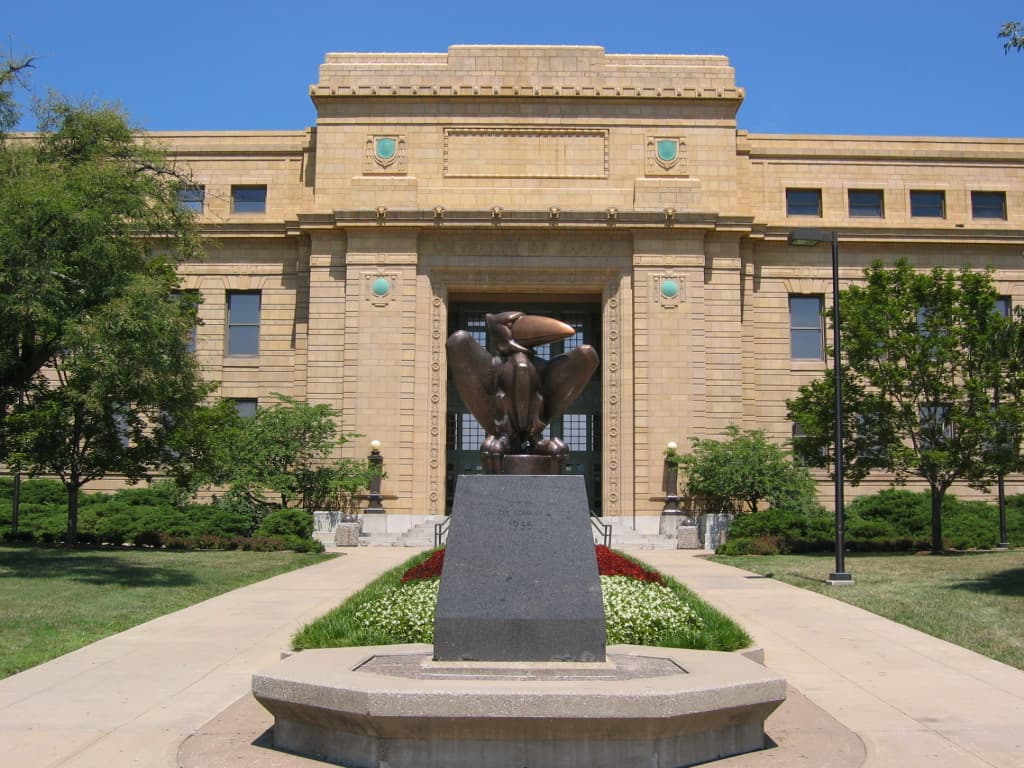
The day also connected present-day protest with a long KU tradition. KU Memorial Unions notes that May Day once included the Maypole Scrap, a semi-sanctioned campus tussle that ran nearly every year from 1891 to 1904. More than a century later, students again used the same date to mark out their place in KU’s public life, this time with a modern list of demands and a direct challenge to how the university responds.
This article was produced by Prism’s automated news system from verified source data, official records, and press releases, then run through automated quality and moderation checks before publishing. The system is built and supervised by the people who set the standards it runs under. Read our full AI policy.
Did this article answer your question?