Lawrence personnel costs climb to $126 million, outpacing revenue growth
Lawrence’s personnel bill jumped from $90 million to $126 million in six years, leaving commissioners to weigh cuts, pay increases and reserves as revenue growth lagged.

Lawrence’s budget strain is showing up in the places residents can see: street maintenance, parks, transit and other day-to-day services that depend on a city payroll that has grown much faster than the money coming in. City personnel expenses rose 40% in six years, from $90 million to $126 million, even as overall revenue growth failed to keep pace.
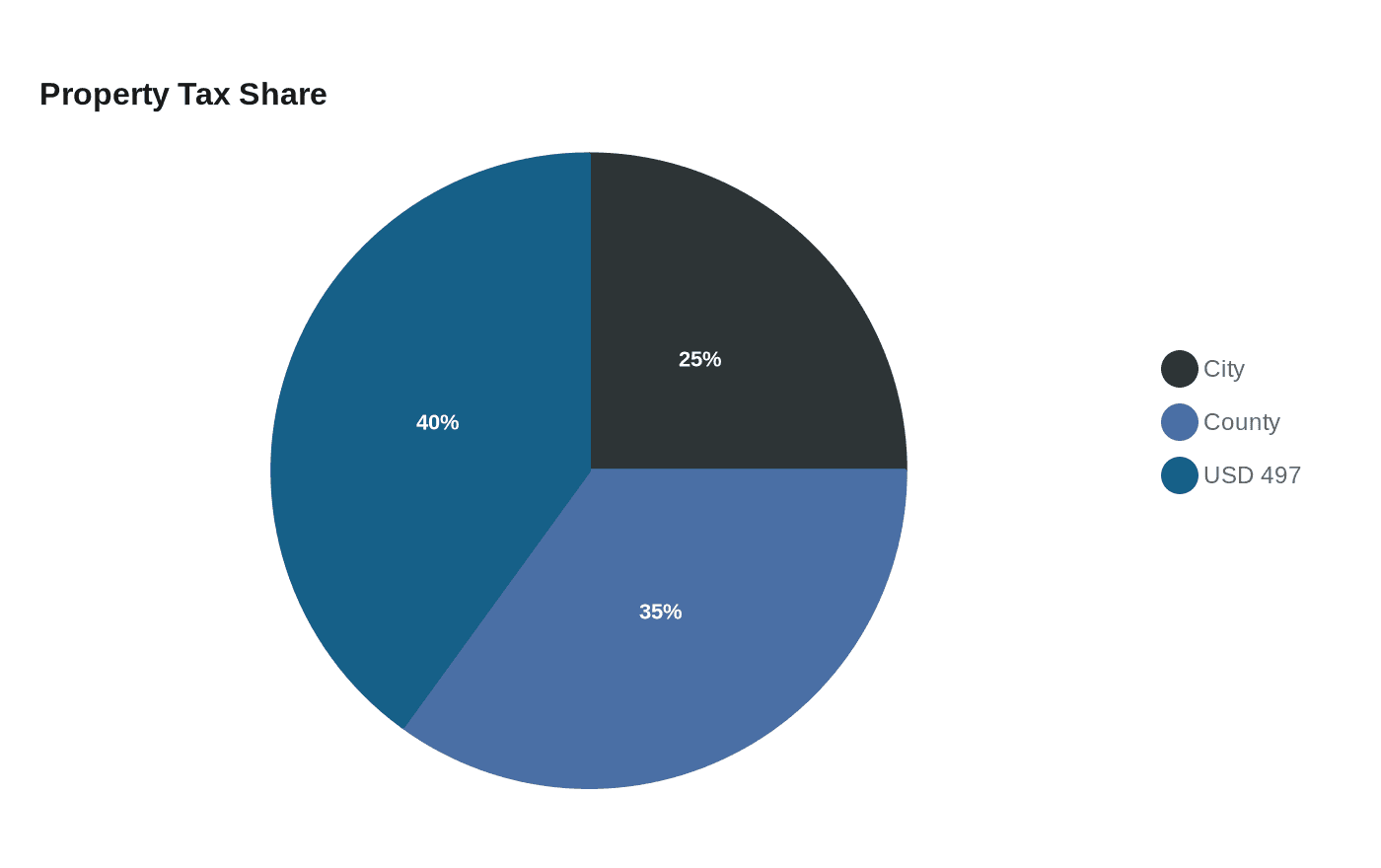
The City of Lawrence says its daily operations rely mainly on property tax and sales tax, and that sales tax has largely normalized after sharp increases in the prior two years. At the same time, assessed valuation continued to grow at the expected pace, leaving commissioners with a familiar problem: more demand for service, but not enough flexible revenue to match it. City budget materials also show how heavily local homeowners already share the load, with about 25% of a Lawrence resident’s property taxes going to the city, about 35% to Douglas County and about 40% to USD 497.
The pressure is concentrated inside City Hall itself. Budget documents say more than 67% of the general fund goes to staff, underscoring how much of Lawrence’s operating money is tied up in payroll. The city has described its annual budget as a priority-based process meant to connect resources with community priorities, while its policy says current revenues should pay current expenditures. That leaves less room when personnel costs rise faster than the tax base.
During 2026 budget deliberations, Lawrence city commissioners faced the need for $6.6 million in cuts and discussed staffing reductions, rebuilding reserves and still keeping market-rate pay increases for employees. The choices were not abstract. In April 2025, Douglas County commissioners criticized proposed city cuts to Lawrence-Douglas County Fire Medical, warning that the changes would deepen financial strain on a service both governments rely on. Those arguments point to the broader tradeoff ahead: whether Lawrence protects staffing levels, preserves core public safety and support services, or frees up money for visible improvements residents expect.
A Lawrence Times analysis found the city’s total budget nearly doubled, from $260.9 million in 2020 to $518.7 million in 2025, a sign of how quickly Lawrence’s financial obligations have expanded. With personnel costs still climbing, city leaders are likely to face another hard round of choices before the next budget is set.
This article was produced by Prism’s automated news system from verified source data, official records, and press releases, then run through automated quality and moderation checks before publishing. The system is built and supervised by the people who set the standards it runs under. Read our full AI policy.
Did this article answer your question?