Lawrence population dips slightly, only Kansas city over 40,000 to lose residents
Lawrence was the only Kansas city over 40,000 to lose residents, a small drop that could shape housing, jobs and city revenue.
Lawrence’s population slipped to 96,367, making it the only Kansas city above 40,000 residents to lose people in the latest Census estimates and raising new questions about housing costs, student retention and the city’s long-term growth story.
The U.S. Census Bureau estimated Lawrence had 97,271 residents on July 1, 2024, so the city lost 74 people in a year, a decline of about 0.08%. The number is small, but it stands out because Lawrence has usually been one of Kansas’ steadier growth markets. Across the state, nine of the 10 cities with more than 40,000 residents grew during the same period, putting Lawrence in an unusual position among its peers.
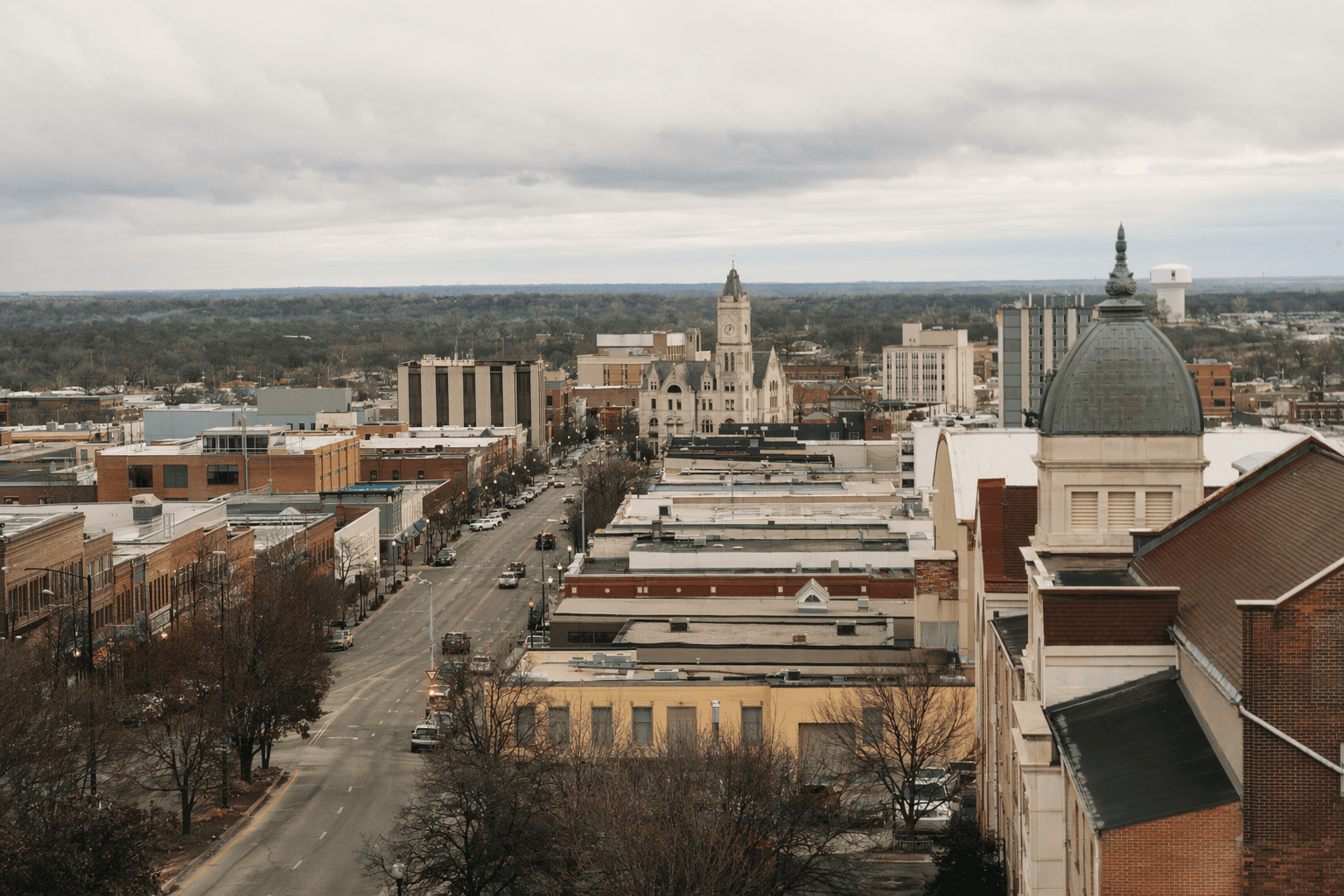
The city is not losing its footing overnight. Lawrence still showed a 1.5% gain from the April 1, 2020 census base to July 1, 2025, which means the latest dip came after several years of post-census growth. But the new estimate matters because city leaders use population trends to judge demand for housing, estimate the tax base, plan streets and utilities, and forecast school enrollment in a university town where students, workers and new households help drive the local economy.
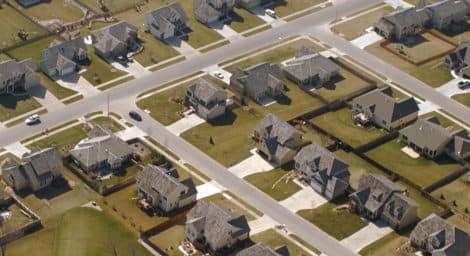
Douglas County moved in the same direction. Its estimate fell to 120,920 from 121,989 a year earlier, a loss of 19 residents, or 0.02%. Because Lawrence holds about 80% of the county’s population, the city remains the main force behind countywide change. The county’s decline came alongside record-low single-family building permits in Lawrence in 2024 and 2025, pointing to housing production as a likely factor in the softening trend.
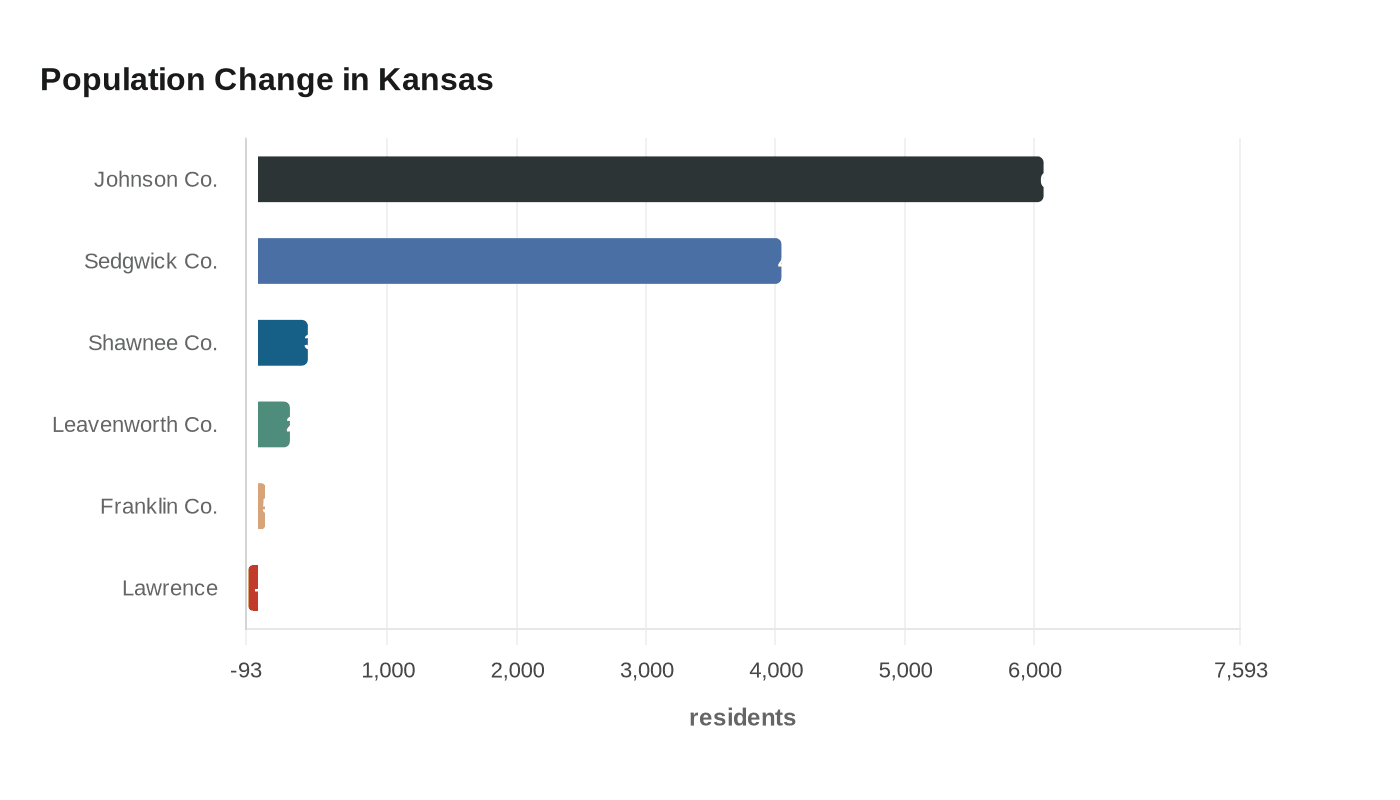
The broader comparison across Kansas makes the Lawrence number harder to ignore. While Johnson County gained 6,074 residents, Sedgwick County added 4,047, Shawnee County grew by 385, Leavenworth County gained 246 and Franklin County added 54. For a community that measures itself by momentum as much as head count, Lawrence’s slight decline may be less a crisis than an early warning that affordability, construction and retention are now central to whether the city keeps pace with the state’s growth leaders.
This article was produced by Prism’s automated news system from verified source data, official records, and press releases, then run through automated quality and moderation checks before publishing. The system is built and supervised by the people who set the standards it runs under. Read our full AI policy.
Did this article answer your question?