Lawrence resident leads merged Kansas third-party push for House races
Lawrence’s Scott Morgan is now steering a merged third-party bid that says it can sway Kansas House races, not just protest them.
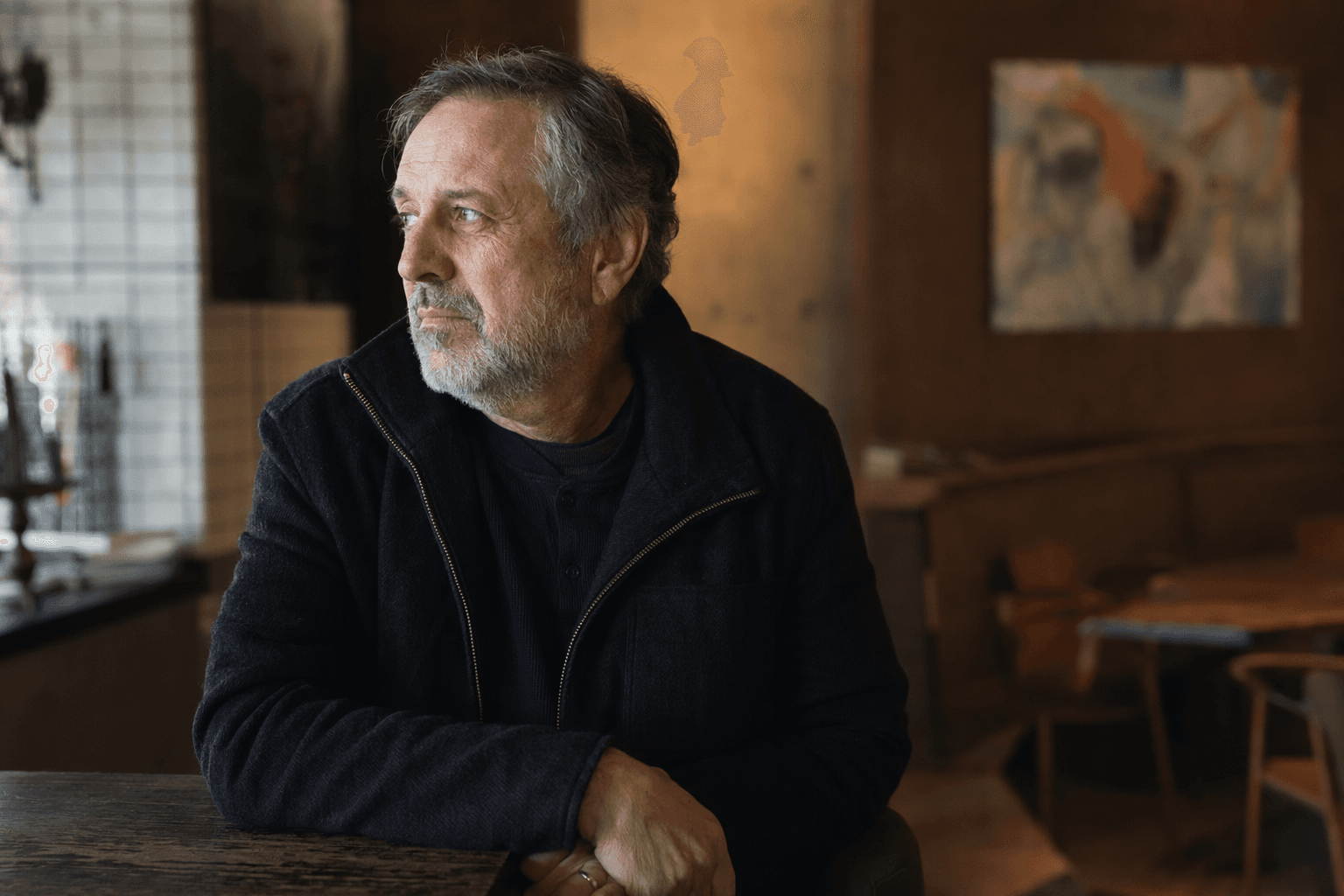
Scott Morgan, a longtime Lawrence resident with ties to Bob Dole and Nancy Landon Kassebaum, is now the public face of a merged Kansas third-party effort that wants to make itself relevant in House districts, not just on the margins of state politics.
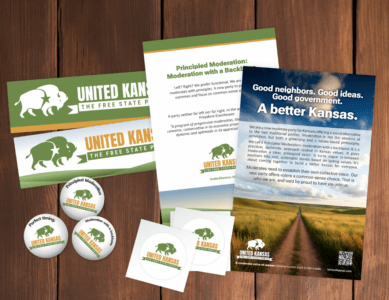
The Free State Party and the United Kansas Party have combined under the United Kansas name, with Morgan set to serve as executive director. The party says its new executive committee will be split evenly between current United Kansas members and former Free State members, a sign that the merger is meant to look less like a one-off alliance and more like an organization trying to settle into the ballot box for the long haul.
Morgan, who also ran in the 2014 Republican primary for secretary of state against Kris Kobach, says the goal is to build a party that can compete with Republicans and Democrats later this year, especially in Kansas House races. United Kansas says the state’s 125 House districts each hold about 15,000 voters, and it argues that winning just five seats in 2026 could “restore balance and accountability in Kansas government.”
That pitch runs straight into the political math of Kansas. Republicans started the 2026 session with an 88-37 House majority and a 31-9 Senate majority, giving them veto-proof control in both chambers, and the regular session ended April 11. United Kansas says 40% of seats were unchallenged in the last Kansas House election, which it uses to argue that many voters had little real choice even before a new third-party label entered the picture.
For Douglas County, the significance is less about a statewide takeover than about whether a Lawrence-based organizer can help build something durable enough to matter in a county that often sits near the center of Kansas politics. Morgan’s case is that people who feel boxed out by the Republican and Democratic primaries still need a place to go, and that smaller districts offer a better opening than a statewide race ever would. The party’s website says the point is to let frustrated voters find a centrist lane, rather than forcing them to choose between the major parties or sit out altogether.
The merger also extends a longer campaign to make third-party politics more usable in Kansas. United Kansas became a recognized minor party in 2024 after submitting petition signatures that cleared the state’s 2% gubernatorial threshold, putting it alongside No Labels Kansas and the Libertarian Party. It has also been fighting Kansas’s anti-fusion-voting law, losing in district court in 2025 and arguing the case before the Kansas Court of Appeals in February 2026. The question now is whether the new merged party can turn recognition, litigation, and messaging into candidates voters in places like Lawrence will actually see on their ballots.
This article was produced by Prism’s automated news system from verified source data, official records, and press releases, then run through automated quality and moderation checks before publishing. The system is built and supervised by the people who set the standards it runs under. Read our full AI policy.
Did this article answer your question?