Lecompton's Bleeding Kansas history anchors Douglas County's territorial past
Lecompton packs Kansas Territory history into a half-day loop of Constitution Hall, the Territorial Capital Museum and a walk past the jail, church and old capital sites.
Lecompton puts Douglas County’s territorial origin story in one easy half-day loop: Constitution Hall, the Territorial Capital Museum and a walk past the old jail, church and capital sites. The payoff is immediate for families, summer visitors and anyone looking to turn a weekend into something more than lunch in town.
Why Lecompton belongs on a weekend route
Lecompton is not just another small historic town in Douglas County. Founded in 1854 on a bluff above the south bank of the Kansas River, it was first called Bald Eagle before taking the name Lecompton in honor of Samuel D. Lecompte, then the chief justice of the territorial supreme court. By the spring of 1855, it had become the official capital of Kansas Territory, the only permanent capital that year.
That matters because Lecompton sits inside the story of Bleeding Kansas, the violent 1854 to 1861 struggle over slavery that followed the Kansas-Nebraska Act and its popular sovereignty formula. The National Park Service describes the era as one marked by murder, mayhem, destruction and psychological warfare. In Douglas County, Lecompton is where that conflict feels most concentrated and still visible on the ground.
The best part for local visitors is that the history is compact. The town sits off Interstate 70 between Lawrence and Topeka, and its historic core can be taken in without turning the day into a road trip. Lecompton’s museums draw thousands of visitors, according to curator Lynn Ward, which helps explain why the town works as both a history stop and a practical outing that can be paired with lunch or coffee in town.
Start at Constitution Hall
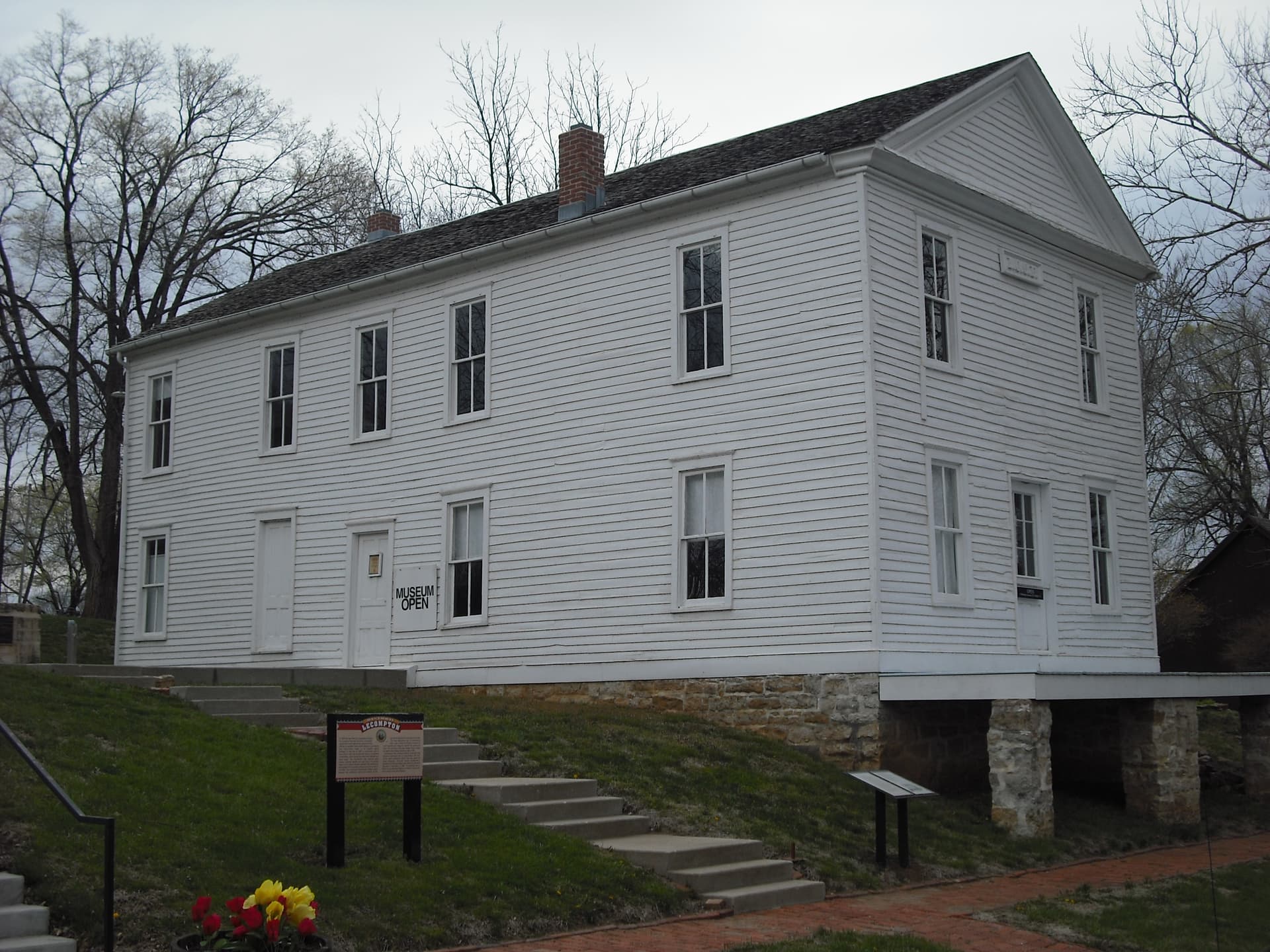
Begin at Constitution Hall, 319 Elmore Street, the building that puts Lecompton on the national map. Built in 1856, it is the oldest wood-frame building in Kansas still standing in its original location. The first land office in Kansas Territory operated here, the Kansas Supreme Court met on the second floor, and the Lecompton Constitutional Convention gathered in that same upstairs assembly room in the fall of 1857.
The hall is also where one of the most important political documents in territorial Kansas took shape. The Lecompton Constitution was the second of four proposed Kansas constitutions, and it went to voters three times: December 21, 1857; January 4, 1858; and August 2, 1858. Kansas Territory rejected it in the final tally by 1,926 to 11,812, a margin that helps explain why this small town became a national flashpoint rather than a local footnote.
Constitution Hall is open Wednesday through Saturday from 9:00 a.m. to 5:00 p.m. and Sunday from 1:00 p.m. to 5:00 p.m. Admission is $3 for adults and $1 for children. The building was listed on the National Register of Historic Places in 1971, designated a National Historic Landmark in 1974, and approved as a state historic site in 1986.
Move next to the Territorial Capital Museum
A short visit down the road brings you to the Territorial Capital Museum at 640 E. Woodson, housed in the former Lane University building. The museum is open Wednesday through Saturday from 10:00 a.m. to 4:00 p.m. and Sunday from 1:00 p.m. to 5:00 p.m. Donations are suggested at a minimum of $3.
That building adds a different layer to Lecompton’s story. Lane University was founded in 1865 by Rev. Solomon Weaver and named for U.S. Senator James H. Lane, one of the most prominent free-state leaders. The contrast is useful: Constitution Hall reflects the proslavery territorial capital, while the former Lane University building represents the later free-state presence that helped remake the town’s meaning after statehood politics shifted.
The museum focuses on Kansas history before the Civil War, which makes it a good second stop after Constitution Hall. Taken together, the two buildings show how the same stretch of Douglas County carried both sides of the territorial fight.
Walk the sites that make the past tangible
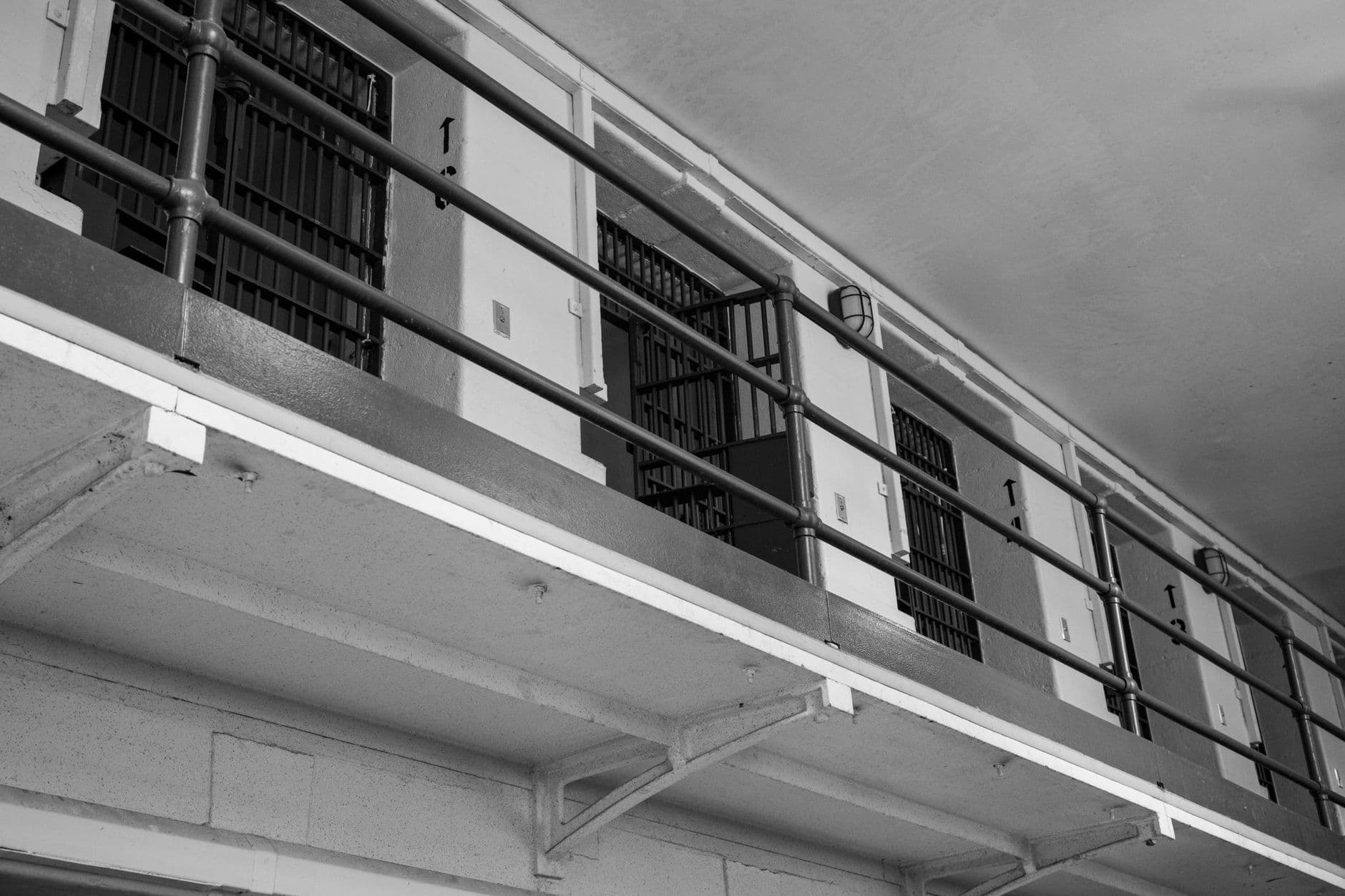
After the two museums, the historic walking tour gives the day-trip its best payoff. The 1892 Lecompton City Jail was moved stone by stone in 2012, and it still gives the town a physical link to later generations who preserved the old streetscape. Nearby, the tour points to the 1857 council-building site, original brick sidewalks and the 1906 Radical United Brethren Church, now the community building and added to the Kansas Register of Historic Places in 2016.
The tour also reaches beyond individual buildings. Lecompton’s historic district includes the Territorial Democratic Headquarters on the Kansas River, a replica of Fort Titus and the jail, which makes the walk feel like a compact map of territorial politics and military tension. Those are the kinds of details that turn a simple stop into a story of where local government, land claims and slavery politics collided.
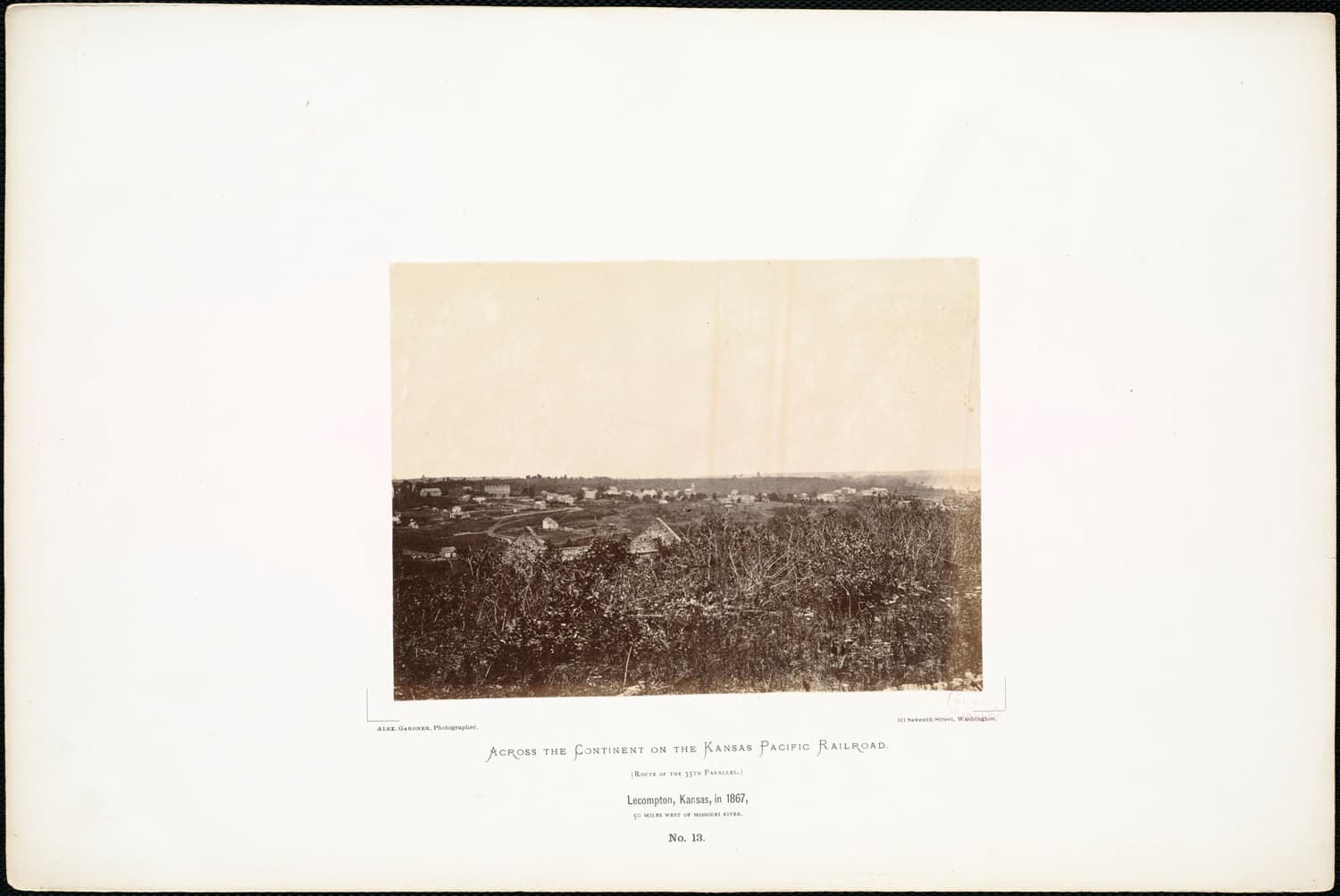
If you are bringing kids or out-of-town guests, this is the part of the visit that makes the history stick. Constitution Hall explains the territorial government. The museum explains the free-state counterweight. The walk shows how the town still wears those eras in brick, stone and timber.
A simple half-day plan
The route is easy to manage without rushing. Start at Constitution Hall in the morning, spend about an hour there, then move to the Territorial Capital Museum for another hour. Leave time for the walking tour and a break in town, especially if you want to pair the visit with one of Lecompton’s restaurants or shops.
That pace fits the town’s draw. Lecompton is small enough to see in a few hours, but dense enough in historical landmarks that every stop adds a different piece of the same territorial puzzle. Constitution Hall, the old jail, the former Lane University building and the riverfront historic sites do not just tell what happened here. They show why Douglas County’s territorial past still has a clear place on a weekend map.
This article was produced by Prism’s automated news system from verified source data, official records, and press releases, then run through automated quality and moderation checks before publishing. The system is built and supervised by the people who set the standards it runs under. Read our full AI policy.
Did this article answer your question?