Museum event explores Kaw Lake, Clinton Lake displacement history
A museum outside Lawrence will pair a film and panel on Saturday to trace how Clinton and Kaw lakes displaced families and reshaped Indigenous land.
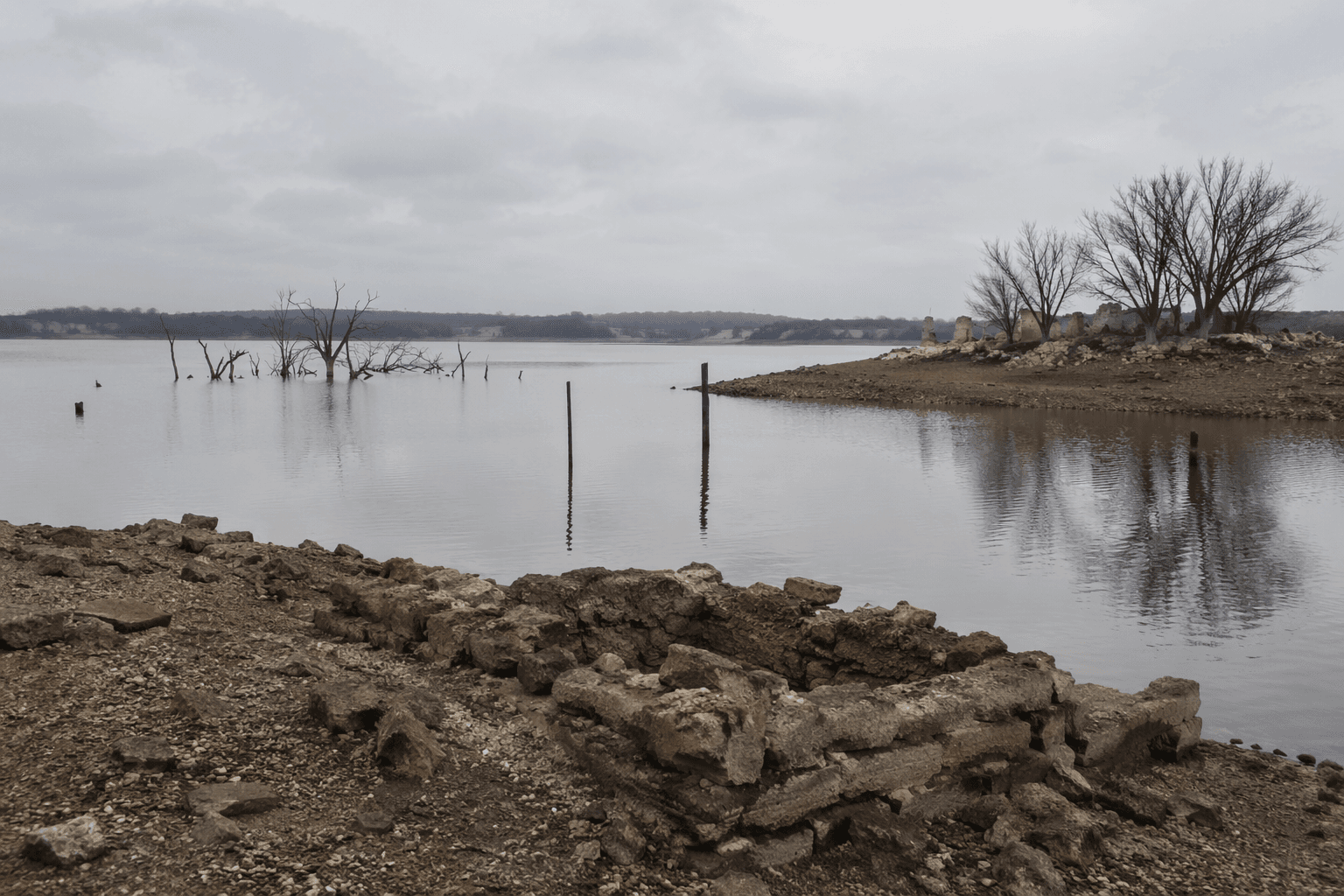
The Wakarusa River Valley Heritage Museum is putting the human cost of lake building at the center of a Saturday program that ties Douglas County memory to a larger history of displacement. The museum outside Lawrence will host a film screening and panel discussion on May 23 as part of an exhibit and grant project focused on the consequences of Clinton Lake and Kaw Lake.
The event will screen Flooding Kaw Nation: Submerged Cities, Desecrated Graves, and Kaw Lake, then move into a panel titled Flooded Communities: A Conversation about the Consequences of Clinton and Kaw Lake. Museum assistant and historian Claire Cox, the project director for the Humanities Kansas grant Voices from the Valleys: A Parallel History of Clinton and Kaw Lake, said the effort is meant to bring Indigenous voices, perspectives and stories into the museum and show how federal reservoir construction reshaped communities.
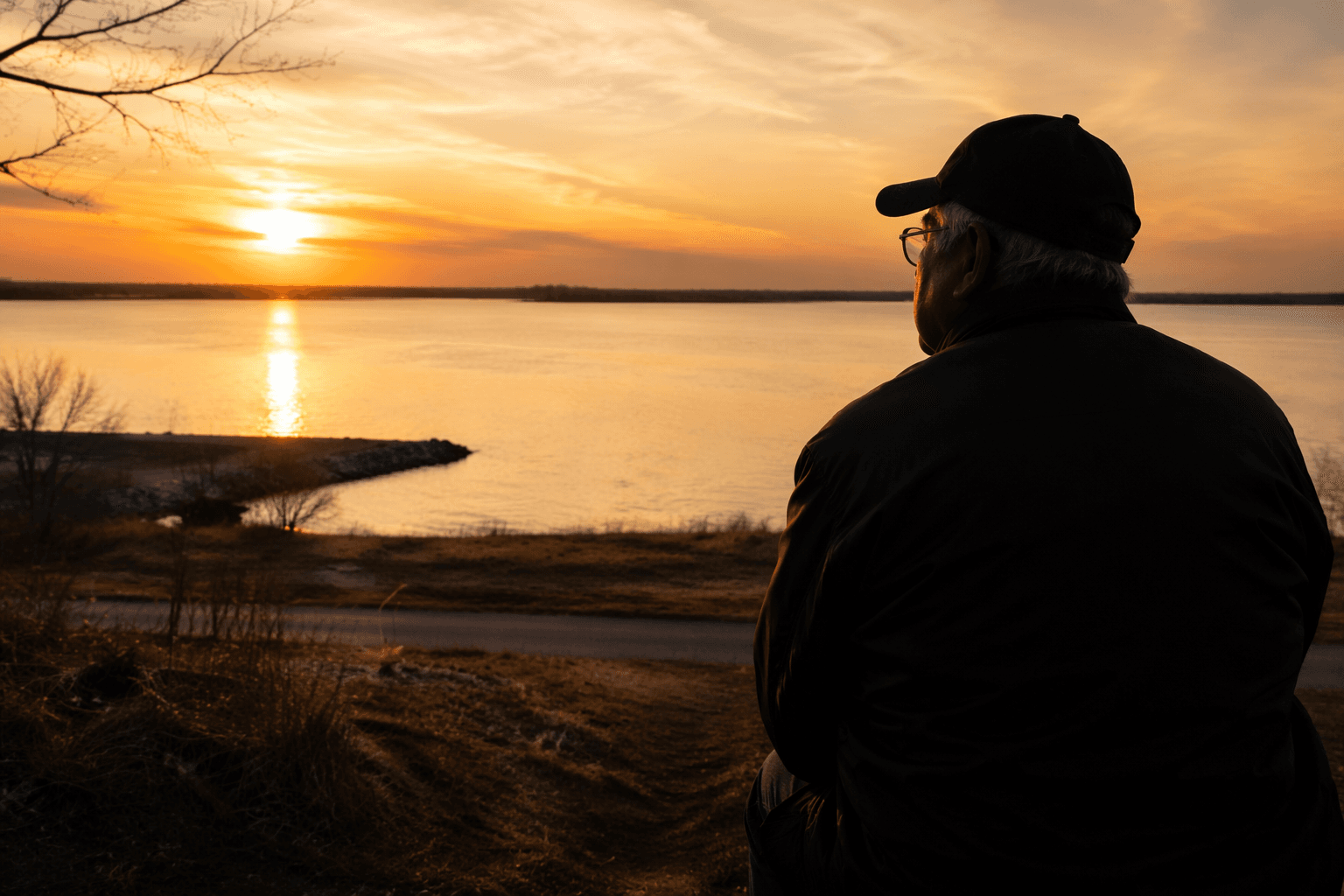
Cox said the U.S. Army Corps of Engineers built hundreds of artificial lakes across Kansas and Oklahoma between 1940 and 1982, and that Indigenous nations experienced especially severe and repeated land loss as those projects spread. The panel is designed to connect those broad patterns to specific families and places, rather than leaving the story in abstract terms.
Among the people taking part will be members of the Curtis family, who were displaced by Clinton Lake, along with James Pepper Henry, a citizen of the Kaw Nation, and Cox herself. Tai Edwards, a professor and director of the Kansas Studies Institute at Johnson County Community College, will moderate the discussion.
The program reaches beyond a single museum event. It is part of an effort to document a parallel history of two reservoirs and the communities that were affected by them, including Native people whose histories were often minimized when the lakes and surrounding recreation areas became part of the region’s identity.
For Douglas County readers, the stakes are close to home. Clinton Lake and Kaw Lake are not distant case studies; they are part of the landscape that shaped roads, neighborhoods, farms and public memory across the region. The film will later stream free online through the Kansas Treaties Project, extending the story beyond the museum and into households that want to understand how lake construction changed who got to stay, who was forced out and whose stories were left out of county history.
Know something we missed? Have a correction or additional information?
Submit a Tip