Dubois County parents invited to preparation for childbirth class
Expectant parents in Dubois County can learn labor, delivery, and postpartum basics in Jasper, with a hospital tour, limited seats, and no charge for Deaconess deliveries.
A local class that takes some of the fear out of delivery
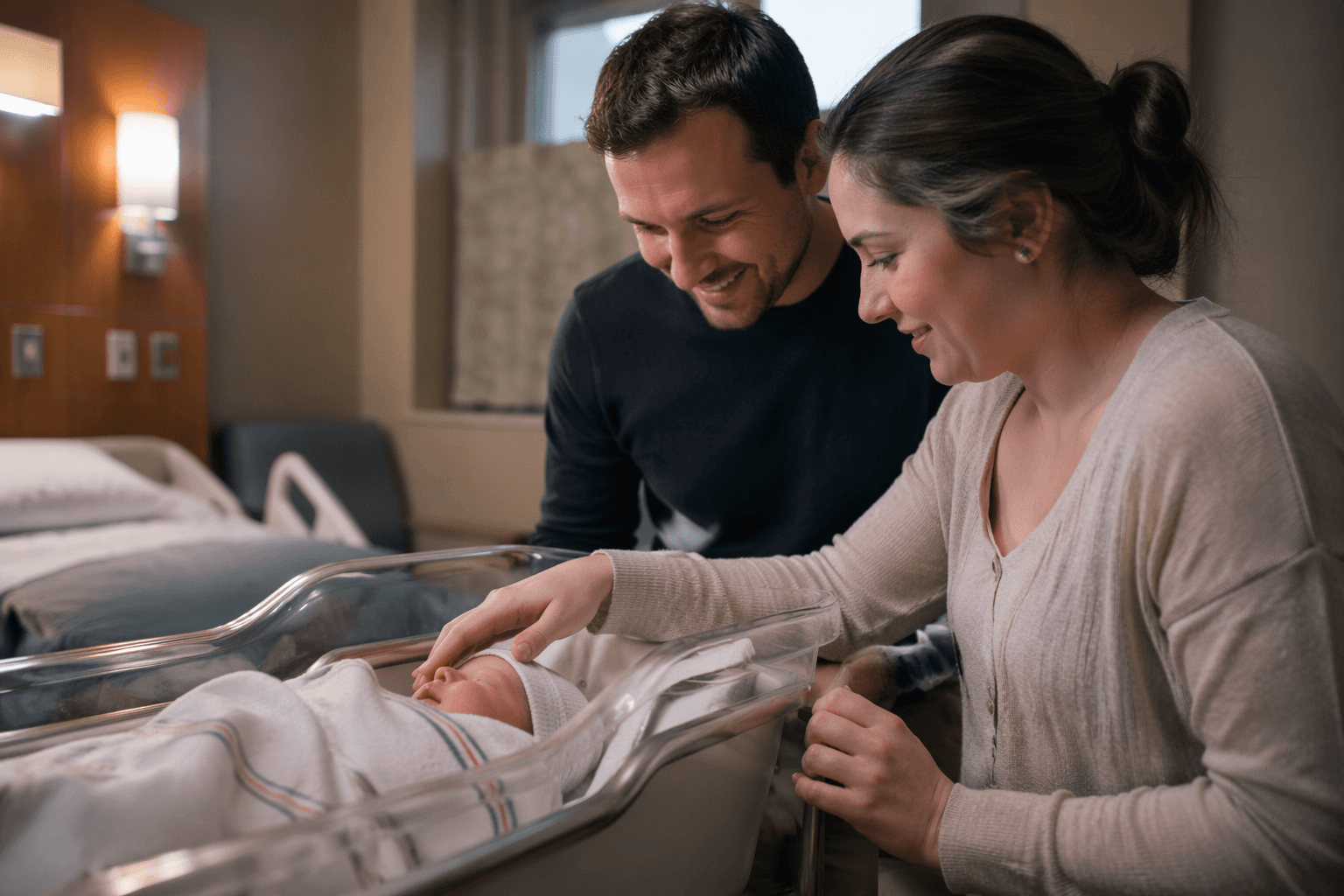
The biggest problem this class solves is simple: it gives expectant parents a chance to learn what childbirth actually looks like before labor starts. In Dubois County, where families often depend on a limited set of local maternity resources, that kind of preparation can make a real difference when decisions need to be made quickly and calmly.
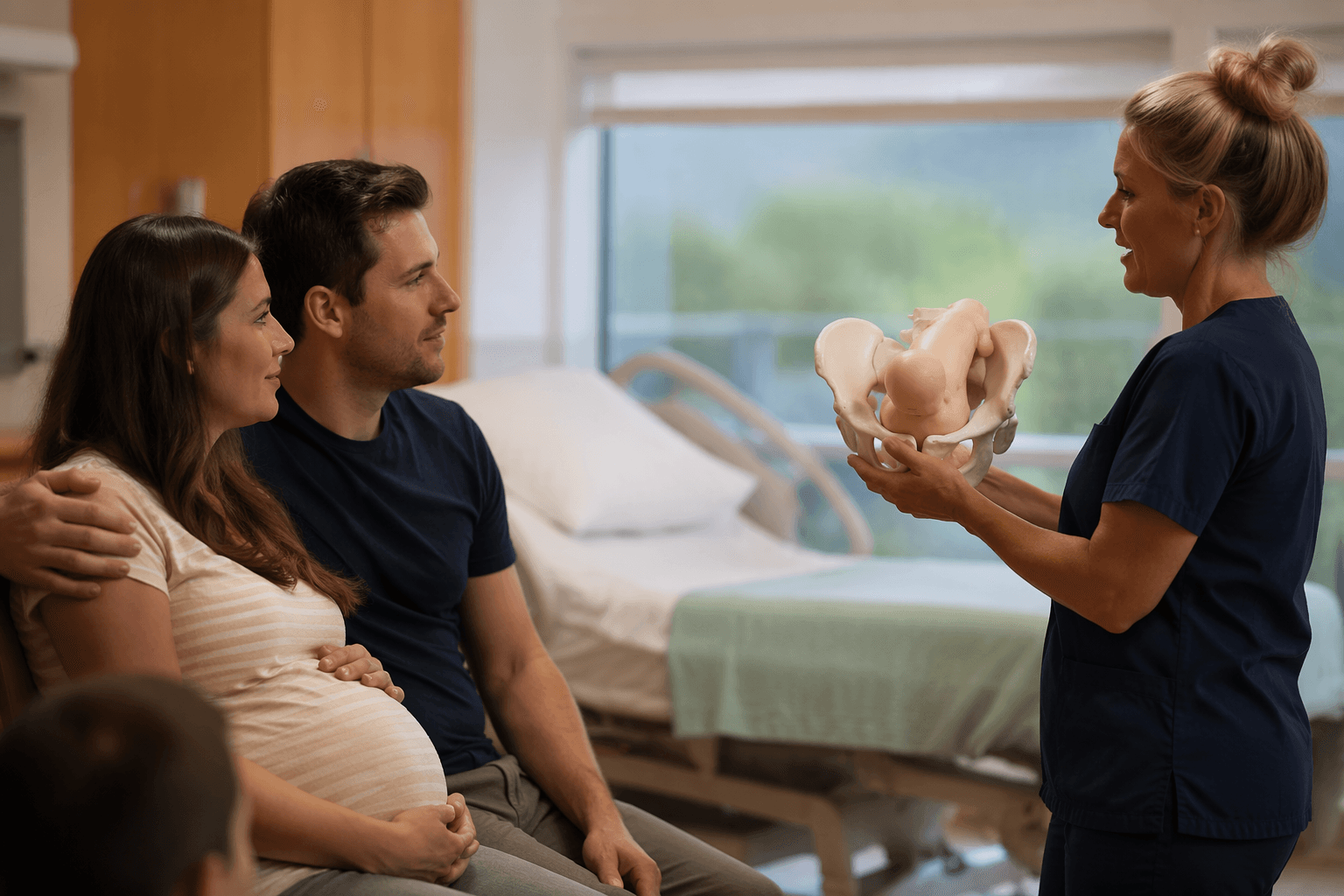
Deaconess Memorial Medical Center’s Preparation for Childbirth class is designed for expectant mothers and support persons, with a tour of the Women and Infant Services unit built in. That matters because the class is not just about theory. It helps families picture the setting where they may spend some of the most intense hours of pregnancy, which can ease anxiety and improve communication once they arrive at the hospital.
Who should attend and when to go
Deaconess recommends attending in the seventh month of pregnancy. That timing gives families enough runway to absorb the information, ask questions, and still make use of it before the due date arrives. It can be especially helpful for first-time parents, but it is not only for them. Families who have been through childbirth before may still want a refresher on current practices, pain-management options, feeding plans, warning signs, and what to expect in the hours after birth.
The class is also meant to include support persons, which is an important detail for families planning to have a partner, relative, or other helper present. Childbirth is rarely a solo experience, and preparing the people who will be in the room can reduce confusion when labor begins and the pace of decisions speeds up.
Where the class is held in Jasper
The class takes place in the Medical Arts Building Conference Room at 721 West 13th Street in Jasper, directly behind, or north of, Deaconess Memorial Medical Center. The hospital itself is at 800 W 9th St. in Jasper, so the class location is close enough to make the transition from education to delivery feel connected rather than abstract.
That proximity is part of the value. Families can see where the Women and Infant Services unit is located and get a sense of the path they will take when the time comes. For parents trying to plan around work schedules, school pick-up, or childcare for older siblings, having the class in Jasper makes it easier to fit into everyday life than traveling farther for prenatal education.
What it costs and how to register
The class is free for moms who deliver at Deaconess Memorial Medical Center. For anyone not delivering at Memorial Hospital, the listed cost is $65. Registration is required, and the contact listed is Jill Schnieders with the DMMC Women’s Center.
That fee structure highlights a broader health equity issue that often comes up in maternity care: access to education can depend on where a family plans to deliver. Free enrollment for patients who will give birth there lowers one barrier, while the fee for others may be a hurdle for families comparing hospitals, insurance networks, and out-of-pocket costs. In a community setting, even a modest charge can shape who is able to prepare in person and who is left piecing together information from the internet.
Why childbirth education matters for families
Childbirth classes are not a luxury add-on. They can help parents understand labor and delivery, make faster decisions under pressure, and communicate more clearly with care teams. They also help parents recognize warning signs and think through postpartum expectations before they are exhausted, emotional, or already deep into the hospital experience.
The public-health value is practical. When families know what to expect, they are less likely to feel overwhelmed by normal labor changes and more likely to spot when something is not normal. That can improve confidence, reduce stress, and support better outcomes during one of the most time-sensitive moments in maternal care.
The class can also be useful for families thinking ahead to feeding and recovery. Deaconess’s broader prenatal education materials point to related topics such as labor and birth, natural childbirth, breastfeeding, and baby behavior. That suggests this class is part of a larger preparation pathway, not a one-off lecture, and families may be able to build a fuller support plan around it.
How it fits into the larger Deaconess maternity program
Deaconess Memorial Medical Center describes its labor-and-delivery model as LDRP, meaning labor, delivery, recovery, and postpartum happen in the same room. That approach is designed to keep care more continuous and family-centered, and it helps explain why a class like this is useful before arrival. If parents know the unit is set up to keep them in one room, the tour and the education can make the experience feel less unfamiliar.
Deaconess also notes that Memorial Medical Center offers more than 30 specialties across 33 health care facilities. For families in and around Dubois County, that larger system can matter because childbirth often overlaps with other needs, from prenatal monitoring to newborn questions to lactation support. Education at the start can help families understand where to turn next if they need more than one kind of care.
The system’s broader prenatal class lineup includes natural childbirth, breastfeeding, baby behavior, and grandparent education focused on safe sleep and car-seat safety. That wider menu is a reminder that childbirth preparation does not end when the baby is born. It extends into the first days at home, where feeding, sleep, car seats, and recovery can be the issues that determine how steady a family feels.
What Dubois County parents can do next
For families in Jasper and across Dubois County, the immediate step is straightforward: contact Jill Schnieders with the DMMC Women’s Center and register, since space is limited to 15. The small class size suggests an experience that can be more personal and more practical than a large group session, with room for questions and a closer look at the Women and Infant Services unit.
In a county where many families are trying to balance work, travel, and maternity care, that kind of local access matters. A childbirth class will not answer every question, but it can help parents walk into the hospital with fewer unknowns, a better sense of the room they will enter, and a clearer plan for the decisions that come with labor, delivery, and recovery.
This article was produced by Prism’s automated news system from verified source data, official records, and press releases, then run through automated quality and moderation checks before publishing. The system is built and supervised by the people who set the standards it runs under. Read our full AI policy.
Know something we missed? Have a correction or additional information?
Submit a Tip