Ferdinand prepares for 2026 budget hearings as spending plans take shape
Ferdinand’s budget hearings will show whether police, streets, utilities and parks get more money, and how much property taxes may have to carry.
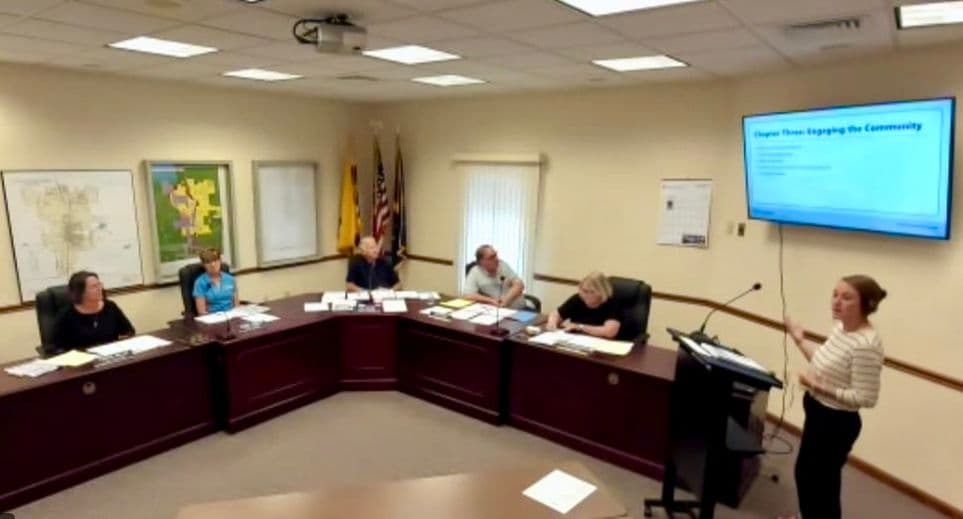
Ferdinand Town Hall will host the town’s 2026 budget hearing on Tuesday, August 19, 2025 at 7:00 PM. The choices made there will shape whether the town leans toward maintenance, expansion or tighter operations, and they will ripple into what residents and businesses pay and see on the ground.
What is on the calendar
Budget adoption is scheduled for Tuesday, September 16, 2025 at 7:00 PM at Ferdinand Town Hall. A Ferdinand meeting notice dated August 19 states that the 2026 budget adoption meeting will be held that night at 7:00 PM at the Town Hall.
Local government units that receive property taxes are required each year to submit planned budgets for the following year, and the process includes publication and public hearing steps. The state’s Budget Notices portal lets taxpayers view proposed budget and property tax levy notices, along with hearing information for local units across the county.
Where the pressure is likely to show up
The 2025 council agenda already points to the departments most likely to shape the budget conversation: Police, Fire, Electric, Property & Street, Wastewater/Water, Park, Marketing & Promotions, and the Redevelopment Commission. Those are the places where spending requests usually surface first, and they also show the range of choices Ferdinand has to make.
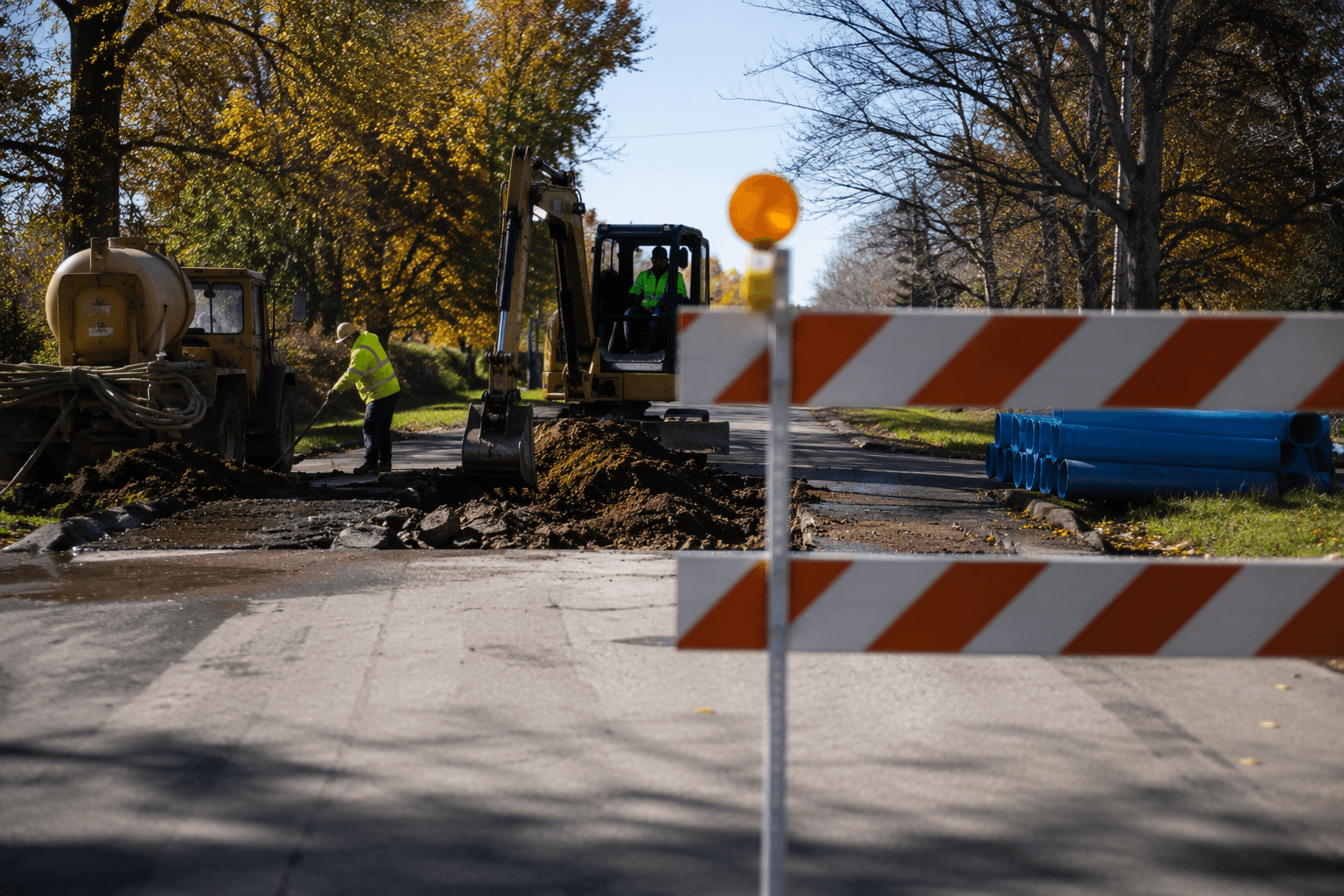
Police and Fire can drive requests for staffing, overtime, gear and vehicle replacement. Property & Street often brings the hard, visible questions, including pothole repair, paving, patching, curb work and equipment upkeep. Wastewater/Water and Electric can carry less visible but expensive items such as system repairs, replacements and other utility work that can influence rates over time.
Parks and facilities also belong in that same budget frame. A park department can need money for field maintenance, building repairs or basic improvements that keep public spaces usable, while marketing and promotions can become a point of comparison if leaders are deciding whether to direct more dollars toward infrastructure or toward town image and visitor-facing spending. The Redevelopment Commission can add another layer if the town is weighing growth projects, site work or other development-related obligations.
When a department asks for more money, it is often chasing road maintenance, utility upgrades, public safety needs, building repairs, park improvements or wage adjustments. When a department asks for less, it can mean lower costs, delayed projects or an effort to stay within revenue limits.
Why property taxes sit at the center of the debate
Town Council President Ken Sicard said, "For the Town of Ferdinand, 41.2% of the 2025 budget is funded by property taxes (2025 Certified Levy from property taxes is $1,044,809 ...)." If property taxes are carrying that much of the town’s budget, every shift in spending or levy planning changes the room Ferdinand has to maneuver.
The Indiana Department of Local Government Finance’s 2026 Budget Calendar memo makes on-time property tax bills a top priority for 2026 and 2027. That puts local budget choices on a strict timetable, because the town’s numbers have to line up with county and state deadlines before tax bills can move cleanly through the system.
The DLGF certified Dubois County’s 2026 Budget Order on January 14, 2026. Ferdinand’s hearings fit into that larger structure, where local spending plans, levy calculations and tax billing deadlines all have to match up.
What to watch in the hearing packets
Residents tracking the town’s next move should look for a few specific signals in the budget materials:
- Police and Fire requests that point to staffing, overtime or equipment replacement.
- Property & Street spending that signals whether Ferdinand is pushing more money into paving, patching, drainage or maintenance.
- Electric and wastewater or water items that could affect utility rates, infrastructure repairs or long-term system replacement.
- Park and facility requests that show whether the town is prioritizing public spaces, building upkeep or new improvements.
- Property-tax assumptions that reveal how much of the budget will still depend on the levy and whether the town is trying to hold the line or expand.
This article was produced by Prism’s automated news system from verified source data, official records, and press releases, then run through automated quality and moderation checks before publishing. The system is built and supervised by the people who set the standards it runs under. Read our full AI policy.
Did this article answer your question?