Huntingburg council weighs new rules for data centers, battery storage sites
Huntingburg is weighing new rules for data centers and battery storage after a solar-battery fight near Holland Road Northeast exposed gaps in local standards.
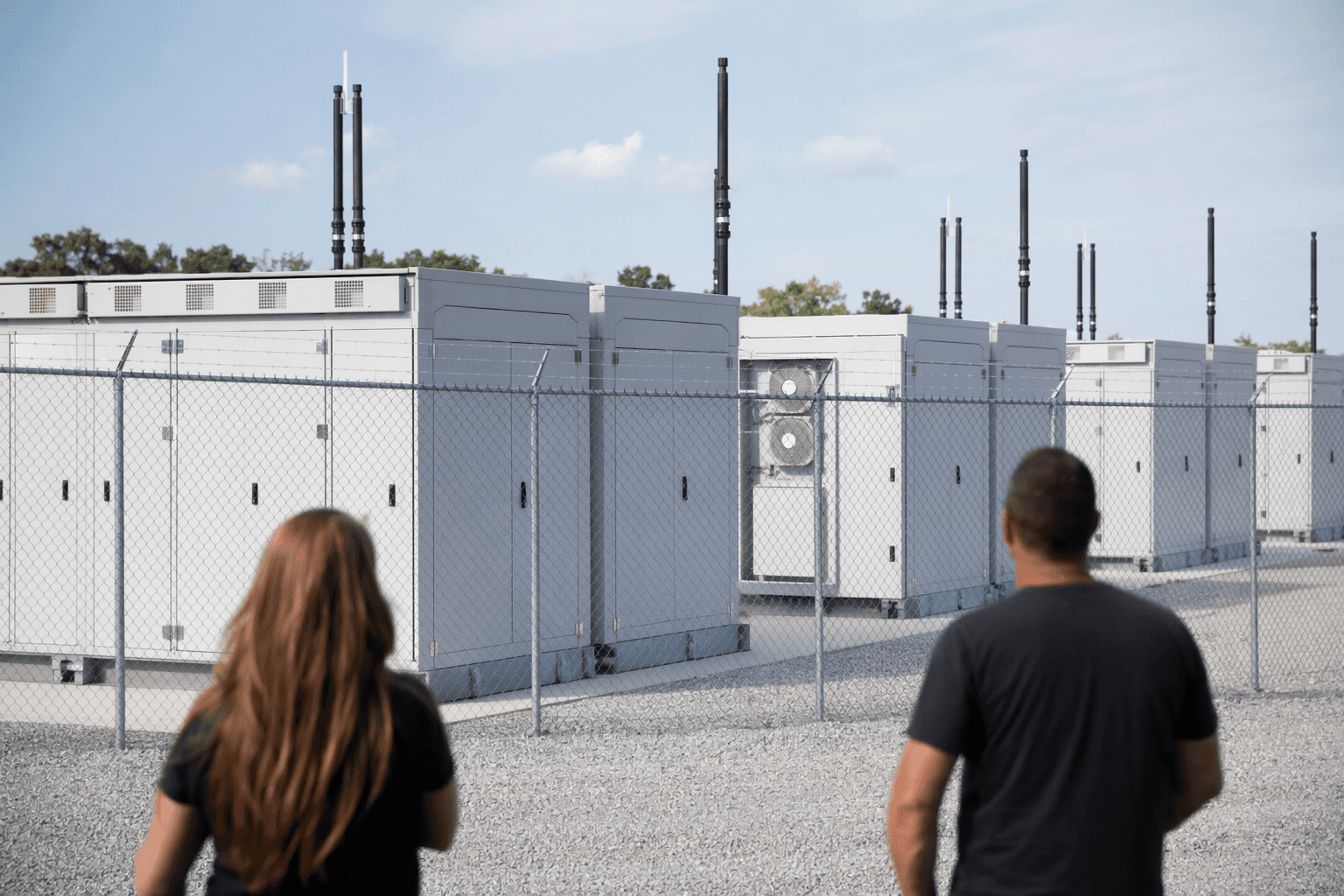
Huntingburg officials are beginning to weigh whether the city needs new rules for data centers and battery storage sites, a move that could shape jobs, tax base growth, electric demand and public-safety planning long before any project is approved. The discussion surfaced during citizen comments at the April 28 Huntingburg Common Council meeting, when Holly Bartelt Gogel raised questions about whether local development standards should be updated.
Council members signaled they are interested in getting ahead of the issue, not just reacting to the next proposal that comes through City Hall. Amanda Souders Harris and Dave Duncan were among the council members who acknowledged that newer industrial uses can bring complicated zoning and planning questions, including noise, traffic, power demand, safety expectations and whether a large facility fits with nearby neighborhoods over the long term. Officials also made clear that any standards would need professional guidance so the city does not adopt rules that are either too weak or vulnerable to legal challenge.
The timing is not abstract. Most of Monday’s meeting focused on the Crossvine Solar Development south of Huntingburg between the Huntingburg Airport and the Town of Holland, where residents have spent months pressing officials to slow the project. The Huntingburg Common Council unanimously approved a moratorium on solar development within the city’s jurisdiction in November 2025, and the council later discussed the possibility that the moratorium could face legal challenges. Residents also took more than 100 signatures to Dubois County Commissioners asking for a pause on the planned battery energy storage system near Holland Road Northeast.
That local fight has sharpened the stakes for future land-use decisions. Some residents have alleged that AES battery capacity filings did not match what was being installed, pointing to 340 megawatt-hours in filings and 515 megawatt-hours under construction. Whether those numbers hold up or not, the controversy has made clear how quickly an energy project can become a public debate over safety, transparency and trust.
State law gives Huntingburg a framework, but also leaves room for local action. Indiana’s statutory rules for utility-scale battery energy storage systems took effect July 1, 2023, and the Indiana Department of Homeland Security says the Fire Prevention and Building Safety Commission was authorized to adopt implementation rules. At the same time, Indiana law says that framework does not affect a local unit’s zoning, land-use, planning or permitting authority otherwise allowed under law.
Huntingburg’s public meeting portal lists additional Common Council and Utility Board meetings for May 5, May 12 and May 26, suggesting the debate is far from over. For a city trying to attract investment without surrendering control over what gets built next, the question now is whether it wants to write the rules before the next large-scale proposal arrives.
This article was produced by Prism’s automated news system from verified source data, official records, and press releases, then run through automated quality and moderation checks before publishing. The system is built and supervised by the people who set the standards it runs under. Read our full AI policy.
Did this article answer your question?