Jasper council restores capital development fund for roads and projects
A Jasper property assessed at $100,000 would owe about $50 a year under a restored capital fund, approved 5-2 for roads and city projects.
A Jasper property assessed at $100,000 would owe about $50 a year under a restored capital development levy, a cost council members accepted Wednesday as they moved to create a dedicated stream for roads and other city projects.
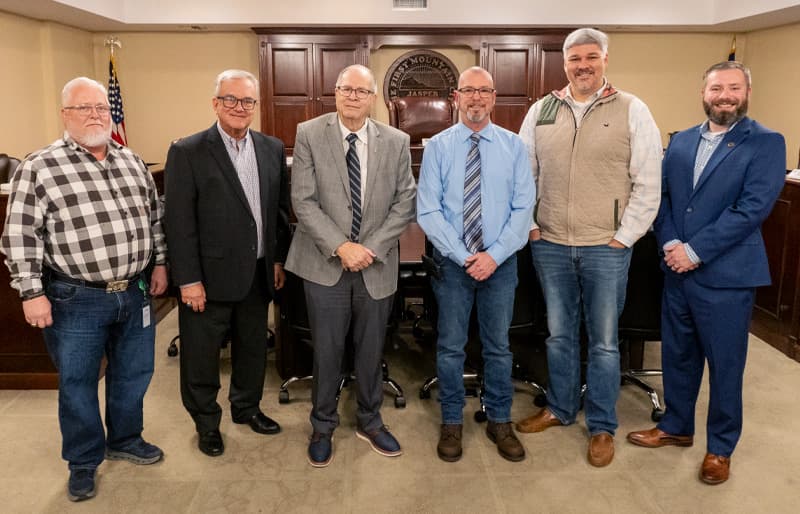
The Jasper City Council approved Ordinance No. 2026-9 by a 5-2 vote, with Chad Lueken and Vince Helming voting no. The ordinance reestablishes the city’s cumulative capital development tax rate at $0.05 per $100 of assessed value, and the tax will be payable in 2027 and thereafter. The measure also required a public hearing before it could advance.
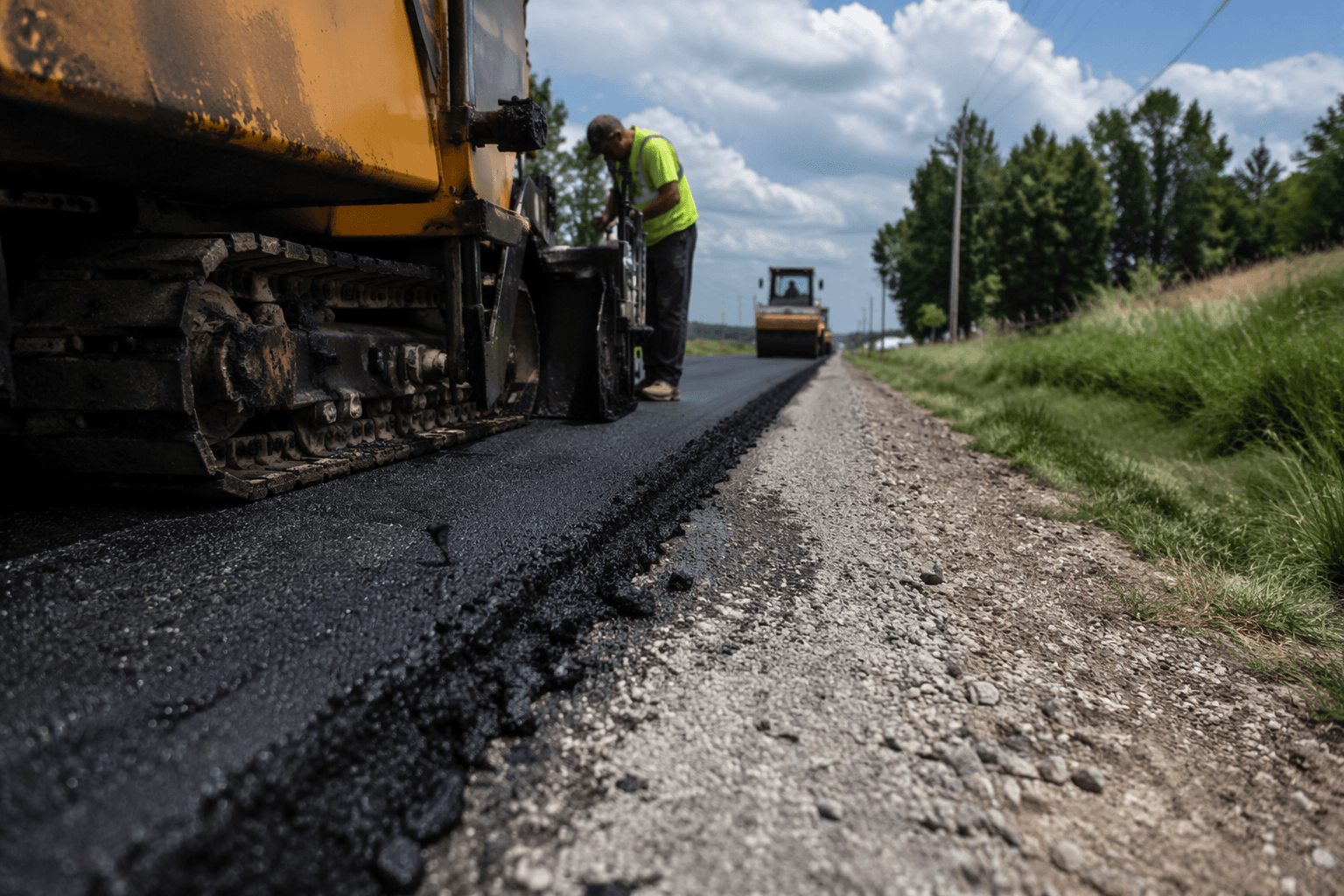
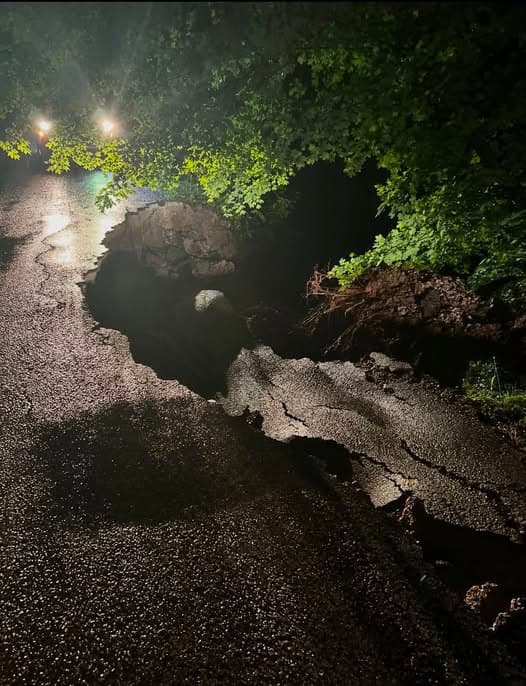
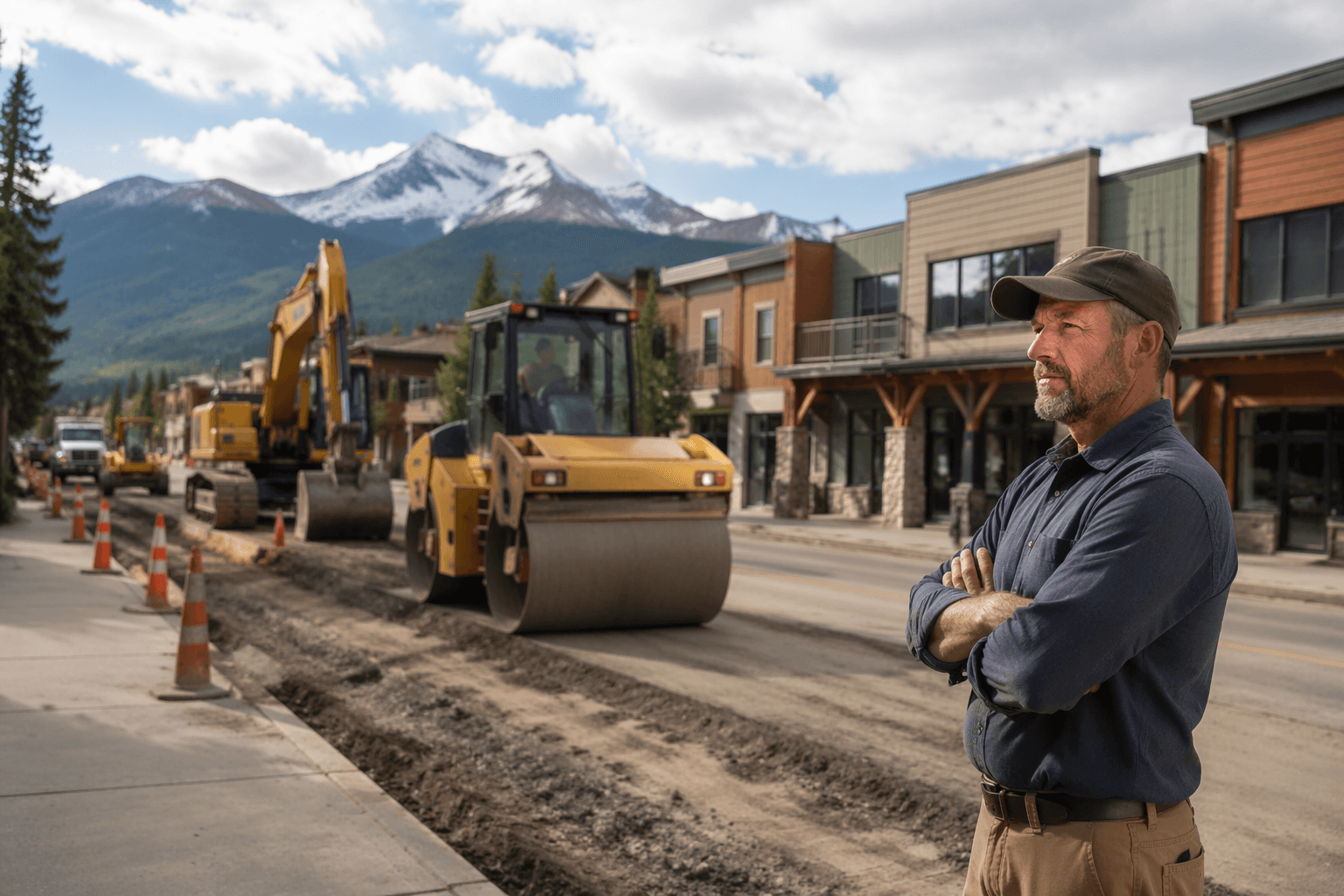
For city leaders, the levy is more than a bookkeeping change. A cumulative capital development fund gives Jasper a special account for capital purposes, including work that local government can pay for with property taxes. Road maintenance and reconstruction are among the clearest examples of that need because the work is expensive, visible and often pushed back when a city lacks predictable funding. Restoring the fund at the full authorized rate gives Jasper a more stable way to pay for those needs instead of relying only on the general fund or one-time fixes.
Indiana law allows municipalities to establish a cumulative capital development fund for any purpose for which property taxes may be imposed within the municipality. Guidance from the Indiana Department of Local Government Finance says units that want to establish or reestablish a cumulative fund must submit required documents and go through a formal review process, reinforcing that Jasper’s move was a regulated tax action, not just a transfer inside the budget.
The vote also returned Jasper to a levy it once used at the same full rate. Local reporting says the city established the Cum Cap development levy in 2002 at $0.05, making Wednesday’s action a restoration of an earlier funding level rather than a brand-new tax concept. That history may have helped supporters see the ordinance as a practical tool for infrastructure planning, even as the 5-2 split showed lingering disagreement over how much tax burden residents should carry.
The ordinance was listed on the same agenda as a resolution tied to the Regional Wellness Center project, a reminder that Jasper’s capital needs are stacking up across several fronts. For taxpayers, the choice now is plain: pay a little more through the levy and build a more dependable road fund, or keep watching the city search for other ways to cover the work.
This article was produced by Prism’s automated news system from verified source data, official records, and press releases, then run through automated quality and moderation checks before publishing. The system is built and supervised by the people who set the standards it runs under. Read our full AI policy.
Did this article answer your question?