Jasper RDC Certifies Pool Completion, Clearing Path for Wellness Center Financing
The Jasper RDC signed a pool completion affidavit that frees the Habig Center as collateral and clears a key financing hurdle for the $34 million Regional Wellness Center.
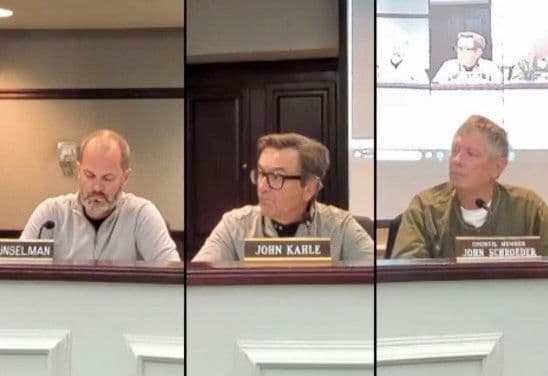
A single signed document from Tuesday's Jasper Redevelopment Commission meeting reshuffled the collateral structure underpinning the city's push toward the Regional Wellness Center, a project tied to $34 million in bond financing that will shape Jasper's debt obligations for years to come.
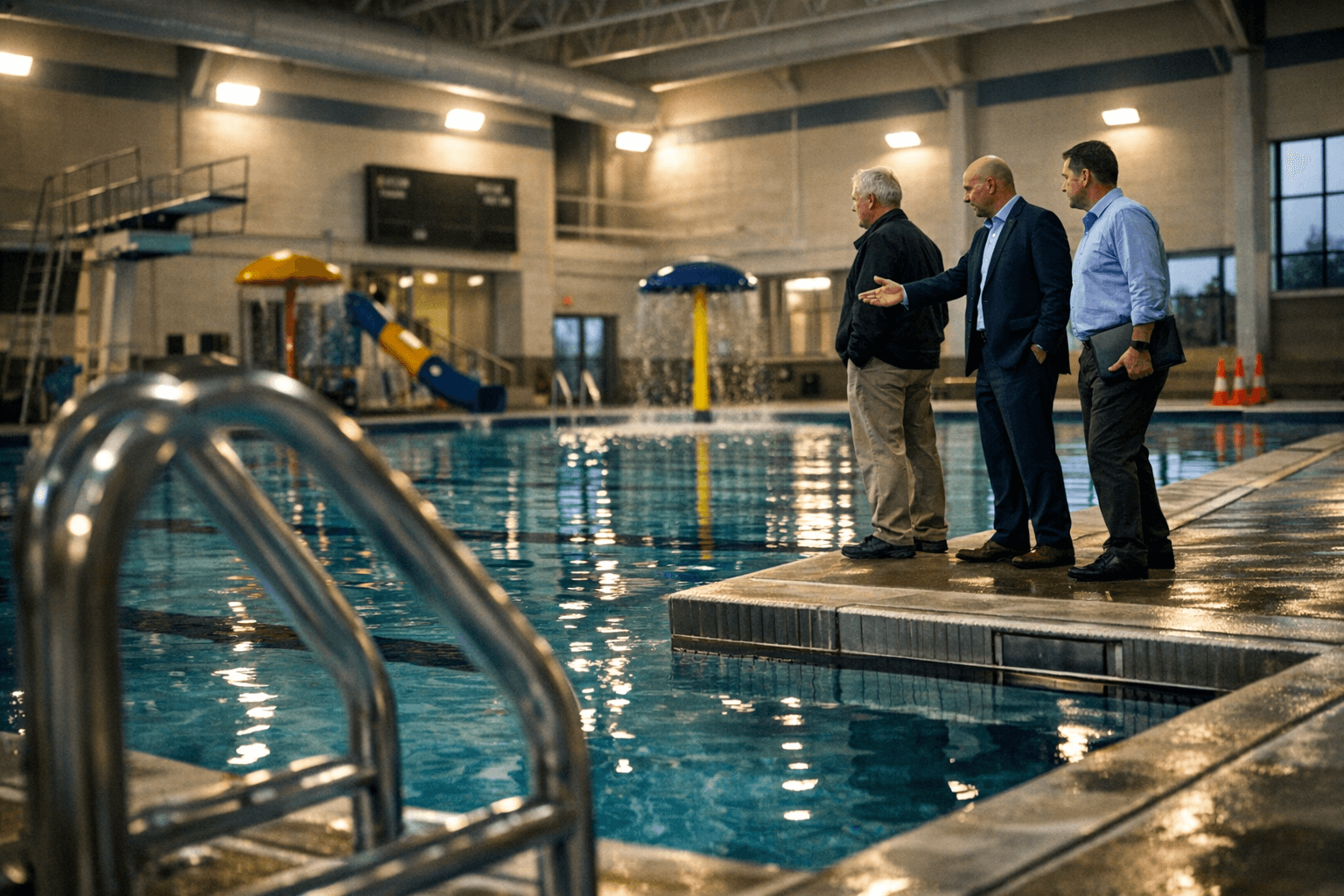
The RDC signed an Affidavit of Completion for the city's new outdoor municipal pool at its April 7 meeting. The signature from Hafer Construction's head engineer, included in the affidavit, formally certifies that pool construction is finished. That certification is not ceremonial: it is the mechanism that allows the pool to stand as its own collateral in the city's financing framework, replacing the Habig Center, which had been transferred to the Jasper Redevelopment Authority to satisfy bond collateral requirements during the pool construction process.
With the pool certified as complete, the Habig Center can be released from those collateral obligations. The practical consequence is that the city can apply the same collateral strategy to the Regional Wellness Center financing, the larger capital project that has been a multi-year priority and one that will carry significant debt service obligations once bonds are issued.
The city previously approved a $34 million bond financing plan for the Regional Wellness Center, relying on lease and bond structures to fund the project. The RDA had earlier owned the pool site, and other city property served as interim collateral during the pool bond process. The Affidavit of Completion closes that interim arrangement and advances the financing sequence.
Taxpayers will want to track the bond documents and financing disclosures that follow. Those documents will specify how the Regional Wellness Center will ultimately be funded, what the projected debt service schedule looks like, and whether future obligations will affect city budgets directly. The project has been structured to avoid short-term increases to the direct tax levy, but the debt service terms and full bond structure will be spelled out in official disclosures that the city and RDA are required to publish. If construction costs rise beyond projections, those same documents will reveal who absorbs the difference.
The commission also passed Resolution RDC 2026-4, an administrative policy requiring that agenda items be submitted at least seven days before any scheduled meeting. Emergency items can still be added by exception, but the resolution formalizes a process intended to reduce last-minute business and improve how meeting agendas are prepared and published. That seven-day window is relevant to anyone tracking wellness center financing: contractor opportunities, bond-related resolutions, and RDA coordination items will appear on official agendas before they become public record, making regular agenda monitoring the most direct way to follow the project's progress.
The RDC's next regular meeting is scheduled for May 5, 2026. The planned groundbreaking for the Regional Wellness Center is already on the public calendar through separate notices; the April 7 affidavit is the kind of backend financial step that makes those milestones legally and fiscally possible.
This article was produced by Prism’s automated news system from verified source data, official records, and press releases, then run through automated quality and moderation checks before publishing. The system is built and supervised by the people who set the standards it runs under. Read our full AI policy.
Did this article answer your question?