City of Cumming Reports 4,500-Gallon Sewer Spill into Lake Lanier Tributary
City of Cumming officials disclosed a sewer spill on Jan. 5, 2026 that released about 4,500 gallons into a tributary feeding Lake Lanier. The city traced the release to a grease blockage, cleared the line and restored normal flow, an incident that raises local questions about wastewater maintenance and protections for drinking water and recreation.
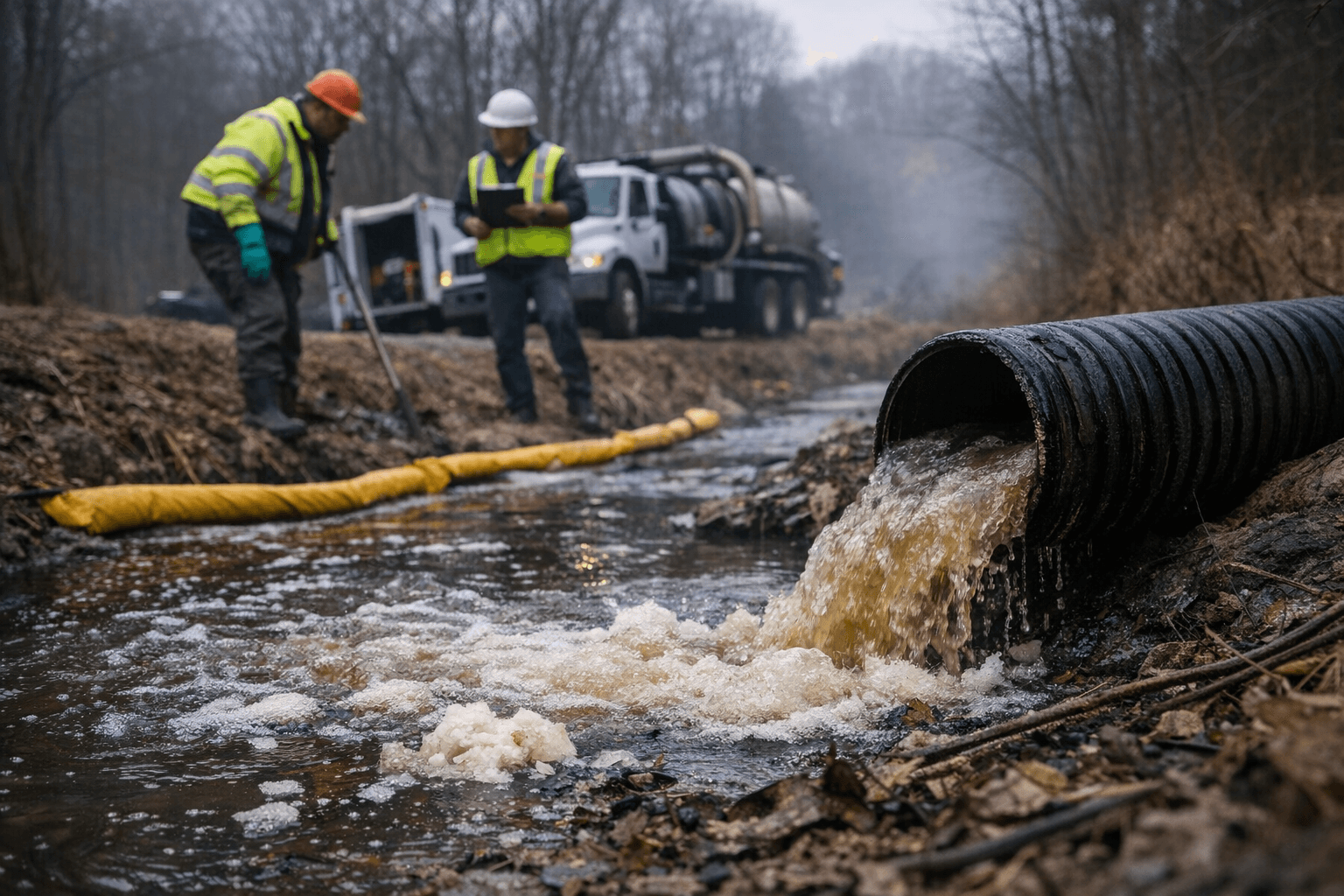
City of Cumming public works officials reported that a sewer spill on Jan. 5, 2026 released approximately 4,500 gallons of wastewater into a tributary that flows into Lake Lanier. The city documented the event in a regulatory filing with the Georgia Department of Natural Resources and identified a grease blockage in a sewer line as the cause.
According to the filing, city crews located the blockage and engaged jetting teams to clear the line. The work restored normal flow in the affected sewer main, and the city reported the volume and location of the release to state regulators as required. The filing also detailed the response actions taken by city staff and addressed whether public advisories were posted or recommended.
The spill's proximity to Lake Lanier makes it consequential for Forsyth County residents. Lake Lanier is a primary regional source for recreation and potable water for portions of the metro area, and tributary discharges can affect water quality, aquatic habitat and shoreline uses. While the filing indicates the spill was contained to the tributary and crews returned the system to normal operation, residents and businesses that use the lake for recreation or sourcing water should monitor official advisories from the City of Cumming and the Georgia Department of Natural Resources.
This incident highlights persistent operational risks in municipal sewer systems, particularly blockages tied to grease and fats. Grease-related blockages are a common cause of sewer overflows and can point to lapses in grease trap management, commercial compliance, or routine maintenance. The event underscores policy priorities for local leaders and utilities managers: preventive inspection schedules, stronger enforcement of grease control requirements at food service establishments, public education on proper disposal of fats and oils, and transparent, timely notification when releases occur.
For civic accountability, residents should expect clear follow-up from city officials and regulators about what preventive measures will be implemented to reduce recurrence. Elected officials and county oversight bodies may also weigh whether additional funding or revised ordinances are needed to bolster sewer infrastructure and enforcement programs. In the short term, residents are advised to watch for updates from municipal authorities and the Georgia Department of Natural Resources and to report any signs of sewer backups or visible discharges to the City of Cumming's utilities department.
This article was produced by Prism’s automated news system from verified source data, official records, and press releases, then run through automated quality and moderation checks before publishing. The system is built and supervised by the people who set the standards it runs under. Read our full AI policy.
Did this article answer your question?