Find may pinpoint Camp Gilmer site in North Forsyth
Artifacts found in North Forsyth may mark Camp Gilmer, a site tied to gold rush enforcement and Cherokee removal. Confirmation could shape preservation and development decisions.

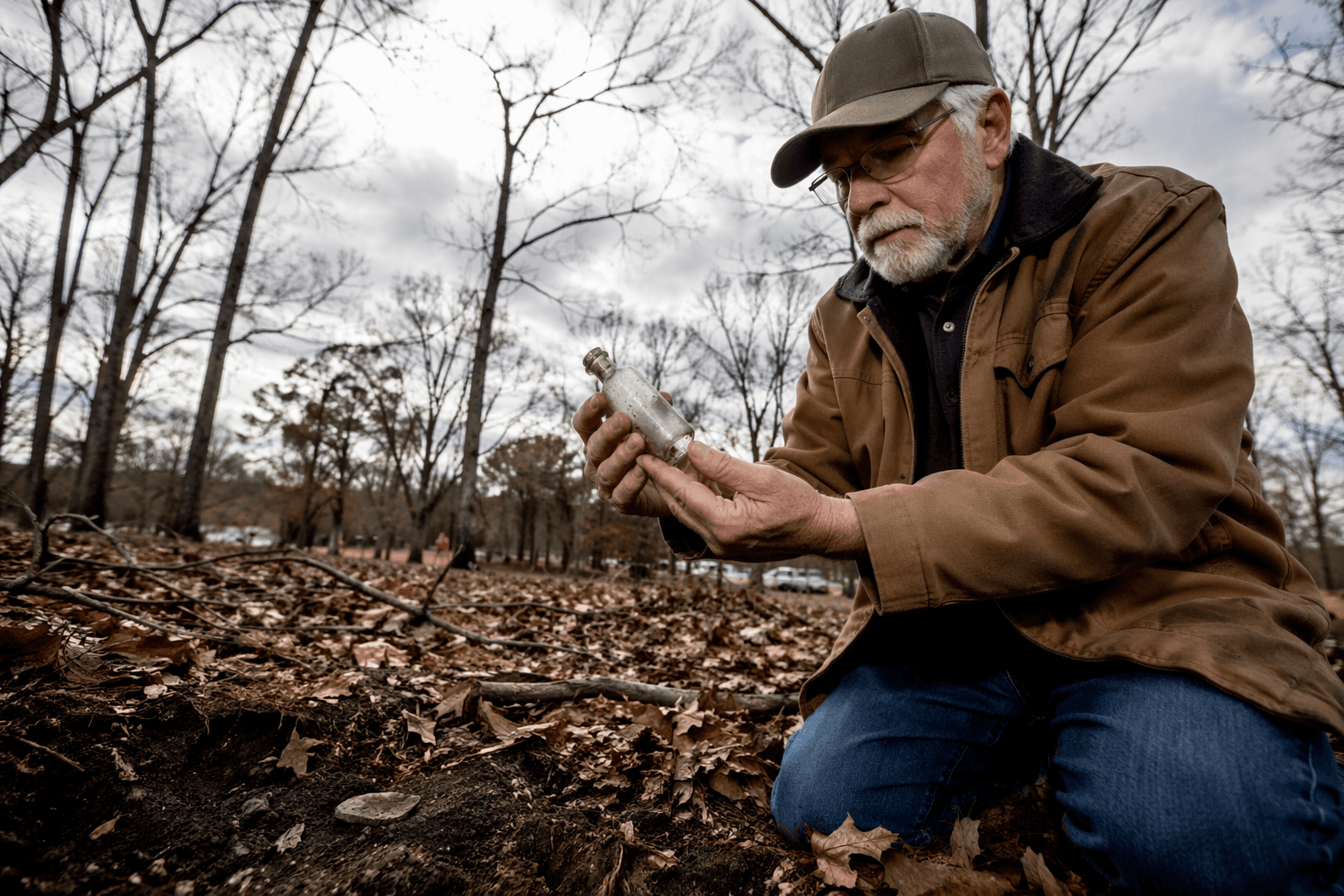
A cluster of historical items found in North Forsyth may point to Camp Gilmer, a military encampment tied to Georgia’s gold rush era and the forced removal of the Cherokee people. If historians confirm the location, the find could quickly become more than an archaeological curiosity, forcing decisions about preservation, nearby land use and whether the site can support education or heritage tourism in Forsyth County.
Jason Dooley uncovered the items, and local historians are now reviewing whether they match Camp Gilmer rather than another nearby historic site. That distinction matters because Forsyth County sits inside a landscape reshaped by the gold rush that began in 1829, when demand for land and the discovery of gold on Cherokee land accelerated pressure to clear Cherokee territory. By December 1832, the area had been divided into ten counties, including Forsyth and Gilmer, as north Georgia was reorganized after the rush took hold.
The broader history gives the find added weight. The New Georgia Encyclopedia says Cherokee removal was driven by the demand for arable land, gold discovery and racial prejudice. The Trail of Tears National Historic Trail now spans about 2,200 miles across portions of nine states, and the National Park Service says 17 Cherokee detachments moved west under that system. In Georgia, the Park Service says 14 forts and camps held Cherokee groups before transfer to larger camps in southeastern Tennessee.
That history is also why Camp Gilmer is often confused with Fort Gilmer in Murray County. The Georgia Historical Society says Fort Gilmer was built in 1838 to garrison U.S. troops ordered to enforce the removal of the last Cherokee Indians. The National Park Service places Fort Gilmer near the Cherokee town of Coosawattee, along the Federal Road in present-day Murray County, and says it was one of several forts built in 1838 and one of seven such posts in Cherokee territory.
For North Forsyth, the stakes are local and immediate. A confirmed Camp Gilmer site could influence how nearby property is studied or developed, and whether county leaders choose to protect the ground before its evidence is lost. It could also give Forsyth County a new interpretive site for classrooms, public history and visitors trying to understand how the gold rush, county formation and Cherokee removal intersected here.
This article was produced by Prism’s automated news system from verified source data, official records, and press releases, then run through automated quality and moderation checks before publishing. The system is built and supervised by the people who set the standards it runs under. Read our full AI policy.
Know something we missed? Have a correction or additional information?
Submit a Tip