Forsyth County couple loses $13,000 in bank scam
A caller posing as a Chase employee persuaded a Forsyth County couple to pull out $13,000 and feed three ATM deposits into a Cumming branch.

A metro Atlanta couple lost $13,000 in a Forsyth County scam after a caller posing as a Chase Bank employee pushed them to treat their own bank accounts like a problem that had to be fixed immediately.
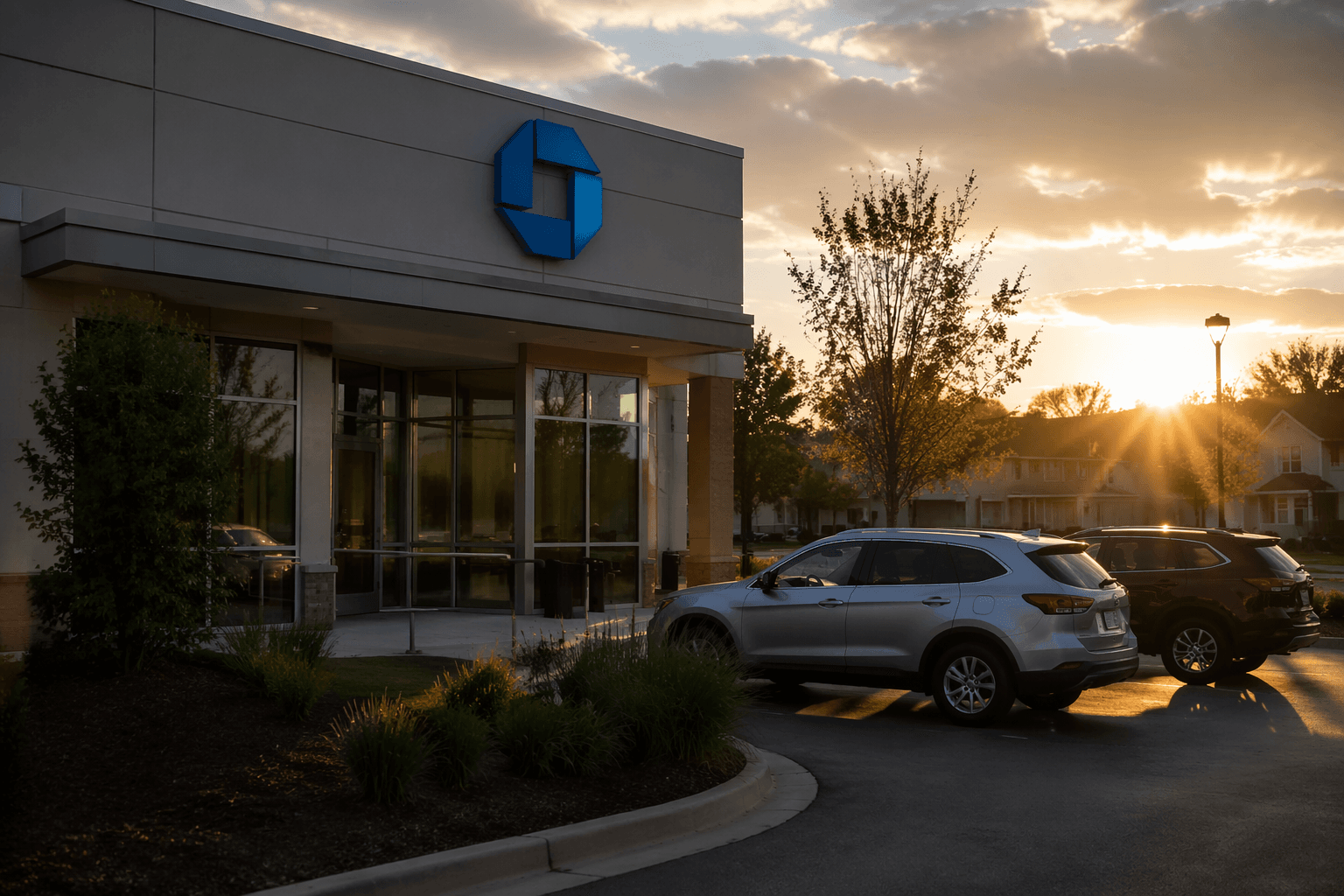
Deputies said the caller used the name Timothy and knew enough personal information to sound credible. He told the couple their accounts had been hacked and instructed them to move money around and consolidate it into one new account. Following those directions, the couple went to the Chase branch on Atlanta Road in Cumming, withdrew $13,000 in cash and used the ATM outside the bank to make three separate deposits into the account they had been told to trust.
The warning sign came at the end of the script. The couple said they were told to throw away the receipts, and that request made them suspicious. They went back inside the bank and reported what had happened. By then, deputies said the money had already moved through the steps scammers count on: a phone call, urgency, secrecy and a quick transfer that feels routine to the victim but is actually designed to make recovery harder.
Investigators later traced the destination account to the name Christopher Saint Fleur. The suspect was identified as Christopher Jurade Saint Fleur, 19, of Plantation, Florida, and he was charged with one count of felony theft by deception. The case shows how bank impersonation scams can work even when the victim believes they are following instructions from a legitimate employee.
Federal fraud warnings line up closely with the Forsyth County case. The Federal Trade Commission says impersonation scams were the top fraud reported to the agency again in 2024, with people reporting nearly $3 billion in losses to impersonators. The FTC also says it is a clear scam when someone tells you to go to the bank while they stay on the phone, or to move money to protect it. The Federal Deposit Insurance Corporation warns that bank impersonators often ask for personal information and use urgency to pressure people into acting fast.
Chase advises customers to disengage and call the bank back using a trusted number if anything feels off, because caller ID can be spoofed. The FBI has also warned that impersonation schemes can push victims to withdraw money and deposit it into ATMs or other accounts. For Forsyth County families, the lesson from this case is blunt: a caller who demands secrecy, cash withdrawals, ATM deposits or destroyed receipts should be treated as a scammer until proven otherwise.
This article was produced by Prism’s automated news system from verified source data, official records, and press releases, then run through automated quality and moderation checks before publishing. The system is built and supervised by the people who set the standards it runs under. Read our full AI policy.
Know something we missed? Have a correction or additional information?
Submit a Tip