Forsyth County Proclaims April 2026 as Donate Life Month
Georgia ranks among the 3 worst states for organ donor sign-ups, and nearly 3,000 Georgians are on transplant waiting lists right now.

Georgia ranks alongside California and Mississippi at the bottom of the national organ donor designation rankings, a distinction that gives Forsyth County's new "Donate Life Month" proclamation more urgency than a standard civic gesture.
The Forsyth County Board of Commissioners approved the proclamation at its April 2 regular meeting, with the county publishing it the following day. The board cited a national backlog of more than 100,000 people waiting for organ transplants, nearly 3,000 of them Georgians. What the county's announcement could not cite is Forsyth's own donor registration rate: no county-level baseline is publicly tracked, which means officials have no clear benchmark to gauge whether this April's awareness push actually moves the needle once May arrives.
That data gap matters in a state that already lags badly. Donate Life America, the nonprofit that manages the National Donate Life Registry, found the country's overall donor designation rate at 47.4 percent in 2023. Georgia fell below even that modest figure, landing in the lowest tier nationally. Nationally, 90 percent of adults say they support organ donation, but only 60 percent are actually enrolled, a gap driven largely by inertia and persistent myths rather than outright opposition.
Georgians who want to close that gap have four registration pathways. Any Department of Driver Services office can add the donor designation when issuing or renewing a driver's license or state ID. Residents can also register through Donate Life Georgia's online registry using a license or state ID number, through the Health app on an iPhone, or when purchasing a hunting or fishing license online. There is no cost: donor programs cover all expenses tied to the donation process, and a family's financial responsibility is limited to pre-donation medical care and funeral costs.
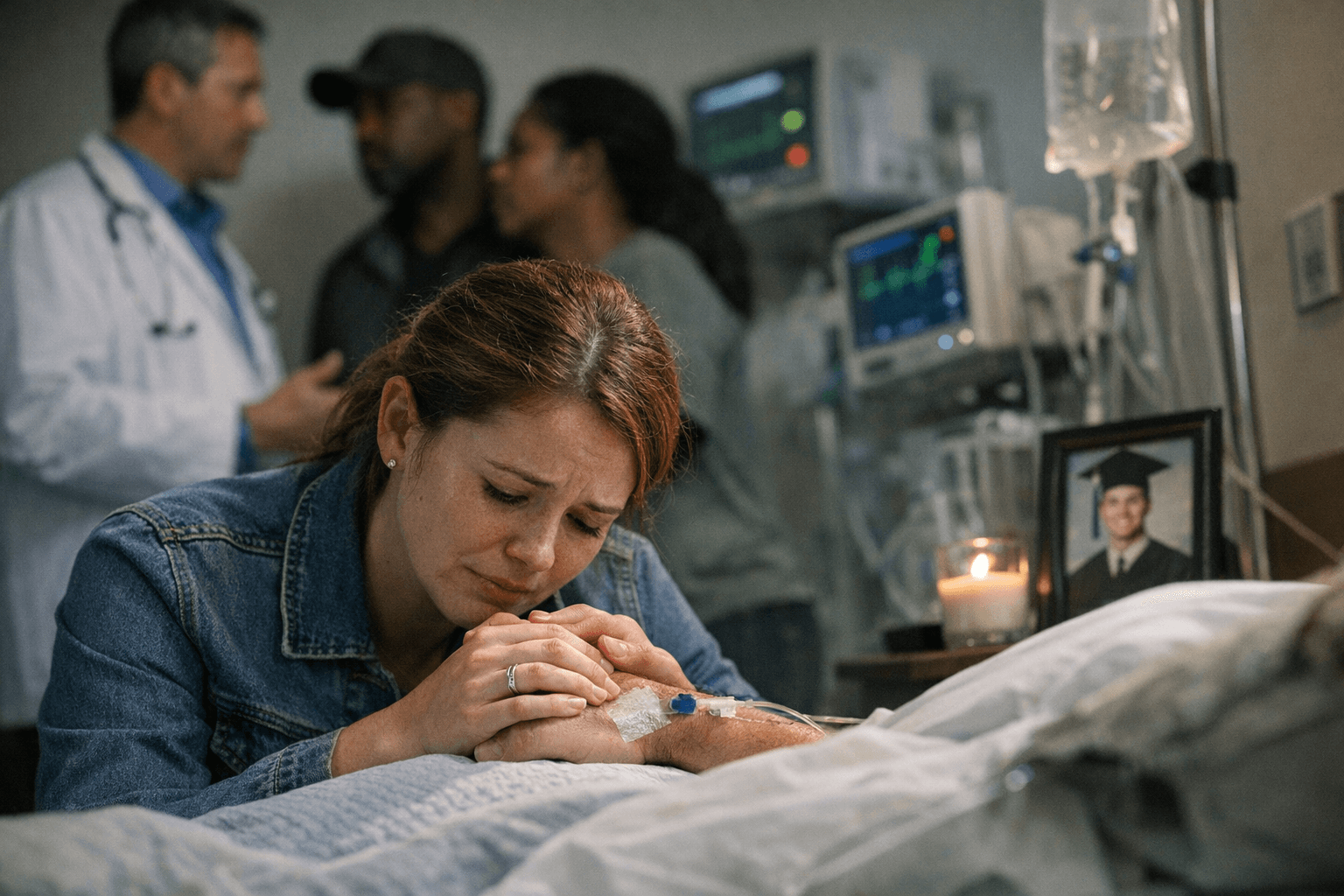
Hesitation is often rooted in misconceptions the county's proclamation did not explicitly address. Hospitals treat the living first: donation is considered only after all life-saving efforts have been exhausted. Enrollment does not affect funeral planning, including open-casket services. Age is not a barrier, and people living with diabetes, Hepatitis C, or HIV may still qualify; physicians make that determination based on what can be donated safely. Most major faiths support organ, eye, and tissue donation.
The Board urged residents to honor those who have given the "gift of life" and called on the community to educate itself about donation options. LifeLink of Georgia Foundation serves as a regional resource for residents seeking guidance beyond the state registry.
Whether proclamations like this one produce measurable results is an open question in public-health circles. Advocates typically track registration volumes reported to the state in weeks following awareness campaigns, monitoring spikes at DDS offices and through the online registry. Without a Forsyth-specific dataset, any shift will only be visible in aggregate state numbers, making it difficult for the county to claim a direct return on its civic investment.
This article was produced by Prism’s automated news system from verified source data, official records, and press releases, then run through automated quality and moderation checks before publishing. The system is built and supervised by the people who set the standards it runs under. Read our full AI policy.
Did this article answer your question?