Forsyth County rejects challenge to 12,000 voter registrations
Forsyth County election officials rejected challenges to more than 12,000 voter registrations, keeping 182,414 names on the county rolls.
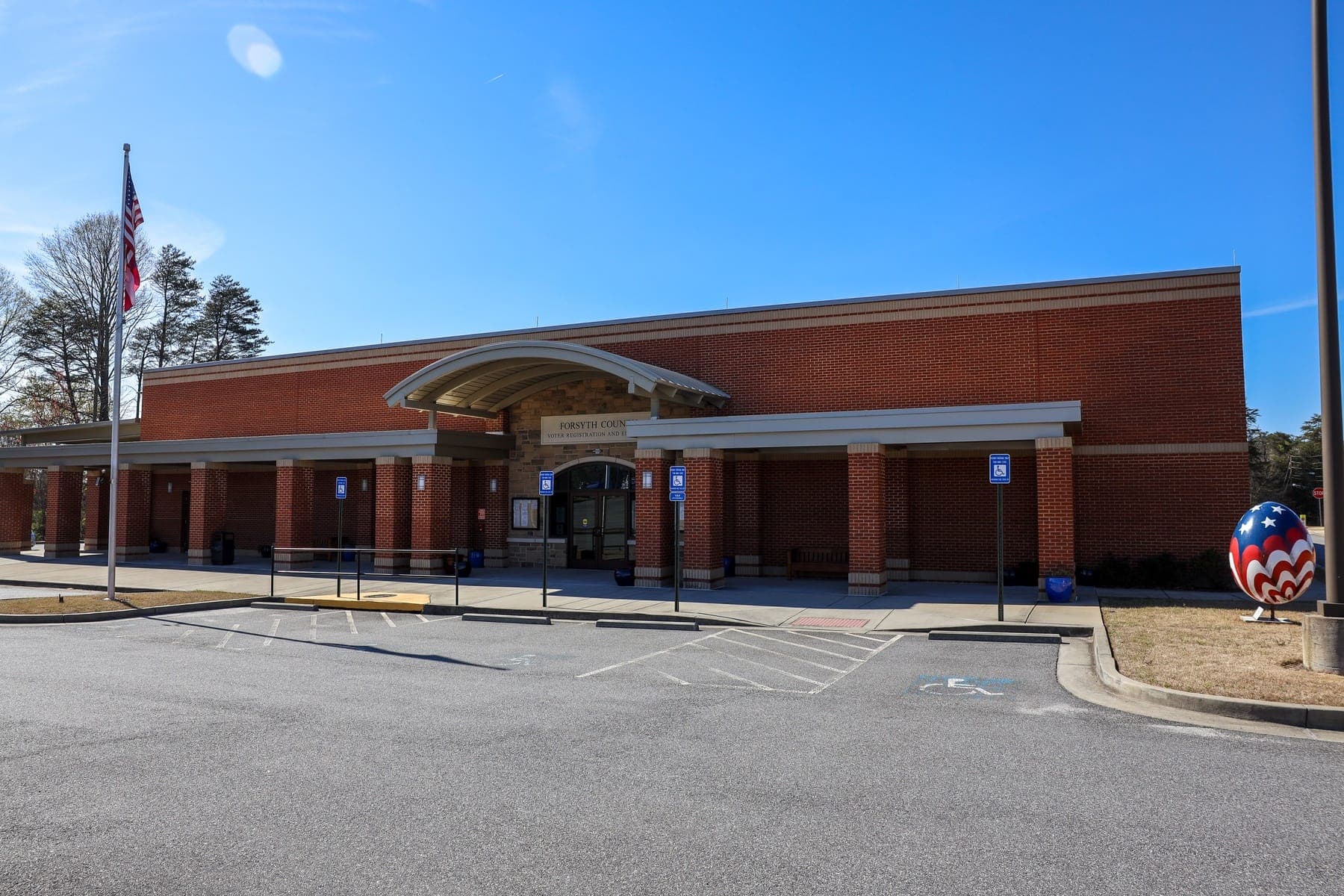
Forsyth County election officials rejected challenges to more than 12,000 voter registrations, leaving the county’s 182,414-name voter roll in place. The decision matters to Forsyth voters because 93.41% of those registrations are marked active, and the board’s vote means no broad purge followed the large filing.
Georgia’s Election Integrity Act of 2021 allows one voter to challenge another voter’s eligibility. Forsyth County says those challenges must be made in writing and must specify the grounds, and the Forsyth County Board of Voter Registrations and Elections then decides whether there is probable cause to sustain them. That standard kept the latest challenge drive from turning into mass removals from the rolls.
The county has already faced similar pressure. One earlier challenge effort covered 13,609 voters, about 8% of Forsyth County’s registered voters, and the board later rejected a separate attempt to cancel 742 registrations that were questioned with spreadsheet-based, AI-assisted methods. Those cases put Cumming and Forsyth County squarely inside a larger Georgia fight over how far mass voter challenges can go.
A Brennan Center for Justice analysis has warned that a recent change in Georgia law allowing unlimited challenges has encouraged widespread filing campaigns. In Forsyth, the practical effect has been a heavier burden on election administrators, who must weigh the county’s interest in voter-roll accuracy against the risk that broad challenge lists sweep up eligible voters. The latest rejection leaves that tension unresolved, but it keeps the county from stripping registrations on a bulk basis without the written grounds and probable cause the law requires.
This article was produced by Prism’s automated news system from verified source data, official records, and press releases, then run through automated quality and moderation checks before publishing. The system is built and supervised by the people who set the standards it runs under. Read our full AI policy.
Did this article answer your question?