Forsyth County school cafeterias report 2025 inspection results, what parents need
I compiled health department inspection results for all 42 Forsyth County school cafeterias from 2025 and published a school by school breakdown showing scores and any violations. The findings matter because cafeteria conditions affect student health, and the results highlight where the county is meeting standards and where investment and oversight are needed.
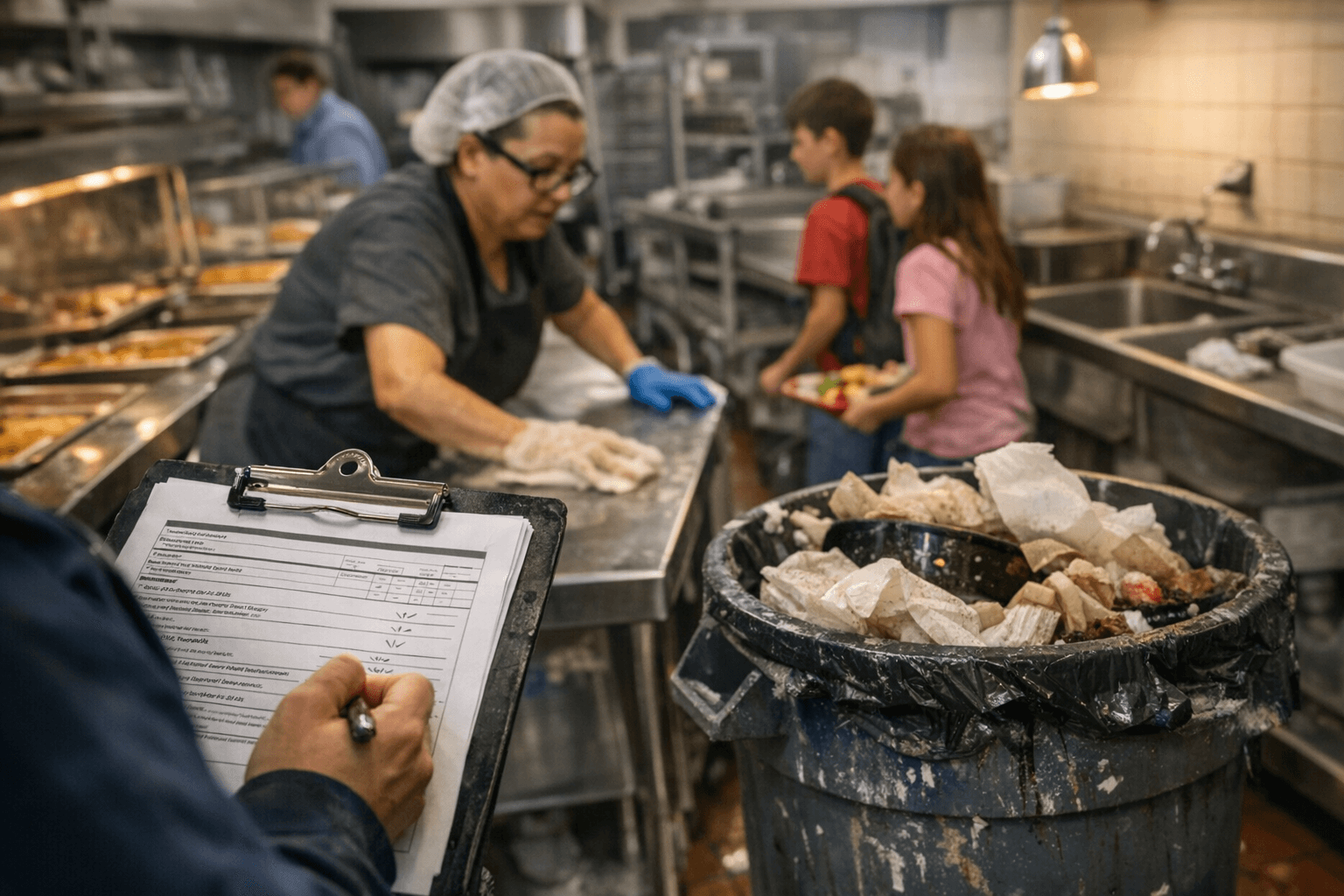
I compiled and examined 2025 health department inspection reports for all 42 school cafeterias in Forsyth County, producing a room by room breakdown of scores and any violations recorded. The review identifies which cafeterias earned top marks and which facilities had violations, and provides context about how inspections work and what families can expect when they raise concerns. The inspections are a routine public health safeguard that aims to prevent foodborne illness and protect student wellbeing.
Health inspections in schools use a standard checklist that looks at food storage and temperatures, preventing cross contamination, cleanliness of equipment and surfaces, pest control, and employee hygiene and training. Inspectors note violations and set timelines for correction. Minor items typically prompt follow up and education while more serious or repeated violations can require corrective action plans and reinspections. The 2025 reports show that some cafeterias met standards with high scores, while others recorded violations ranging from labeling and storage issues to sanitation concerns.
For families, the practical implications are immediate. Safe cafeteria operations reduce the risk of outbreaks that can disrupt classrooms and threaten students with chronic conditions. Transparency about inspection results allows parents to ask administrators about corrective steps and to advocate for resources where deficiencies reflect deeper capacity gaps. Schools serving higher need neighborhoods often carry heavier burdens when staffing and funding are limited, shaping an equity issue that affects which students are most exposed to risks.
Public health officials and school nutrition directors share responsibility for ensuring compliance, but the inspection findings also point to policy solutions. Sustained investment in equipment, training and staffing, regular reporting of inspection outcomes, and targeted support for schools with recurring problems would strengthen safety across the district. Parents who want more information can review individual inspection results and follow up with school administrators or the county health department to learn what steps were taken to address any violations.
Know something we missed? Have a correction or additional information?
Submit a Tip