Forsyth County urges water conservation as statewide drought response begins
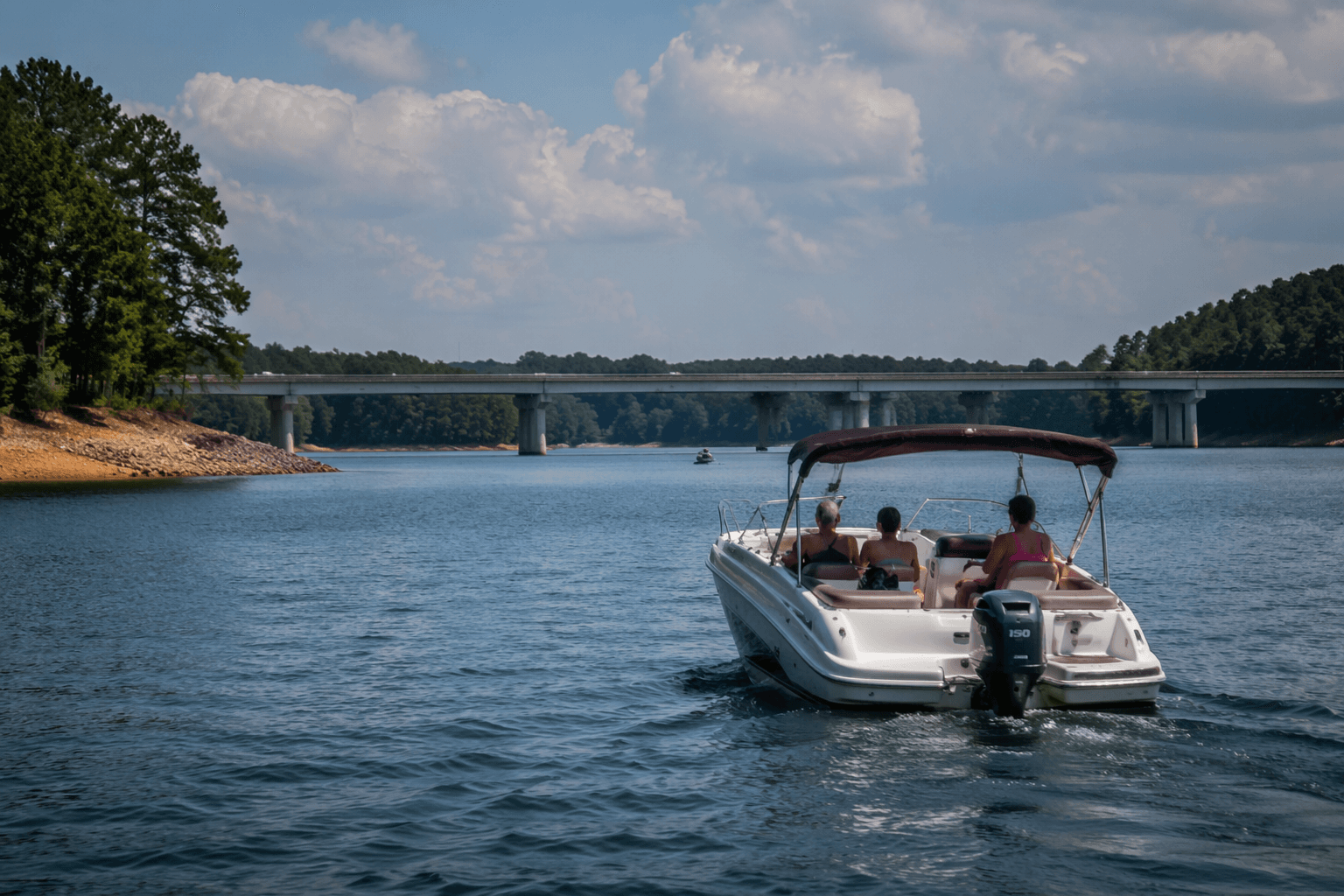
Forsyth County is urging residents to cut wasteful watering as Georgia enters a Level 1 drought, just days after the county moved up its burn ban.

Lawns, irrigation systems and monthly water bills are back in the spotlight in Forsyth County, where officials are asking residents to use less water even as outdoor burning remains off-limits across the county until October 1, weather permitting. The county’s latest notice follows Georgia’s move to a Level 1 drought response and lands just three days after the Forsyth County Fire Department tightened burn rules because of extremely dry weather and an extended stretch without meaningful rain.
Forsyth County said outdoor watering is still allowed, but only between 4 p.m. and 10 a.m., the same statewide window used under Georgia’s non-drought outdoor water schedule. That means the new drought step is less a hard clampdown than an early warning: residents are being asked to check for leaks, avoid overwatering lawns and plants, make sure sprinkler systems are not hitting streets or driveways, and turn off faucets while brushing teeth, shaving or washing. In a fast-growing county where demand on water systems rises quickly in hot weather, the message is aimed as much at everyday waste as at supply.
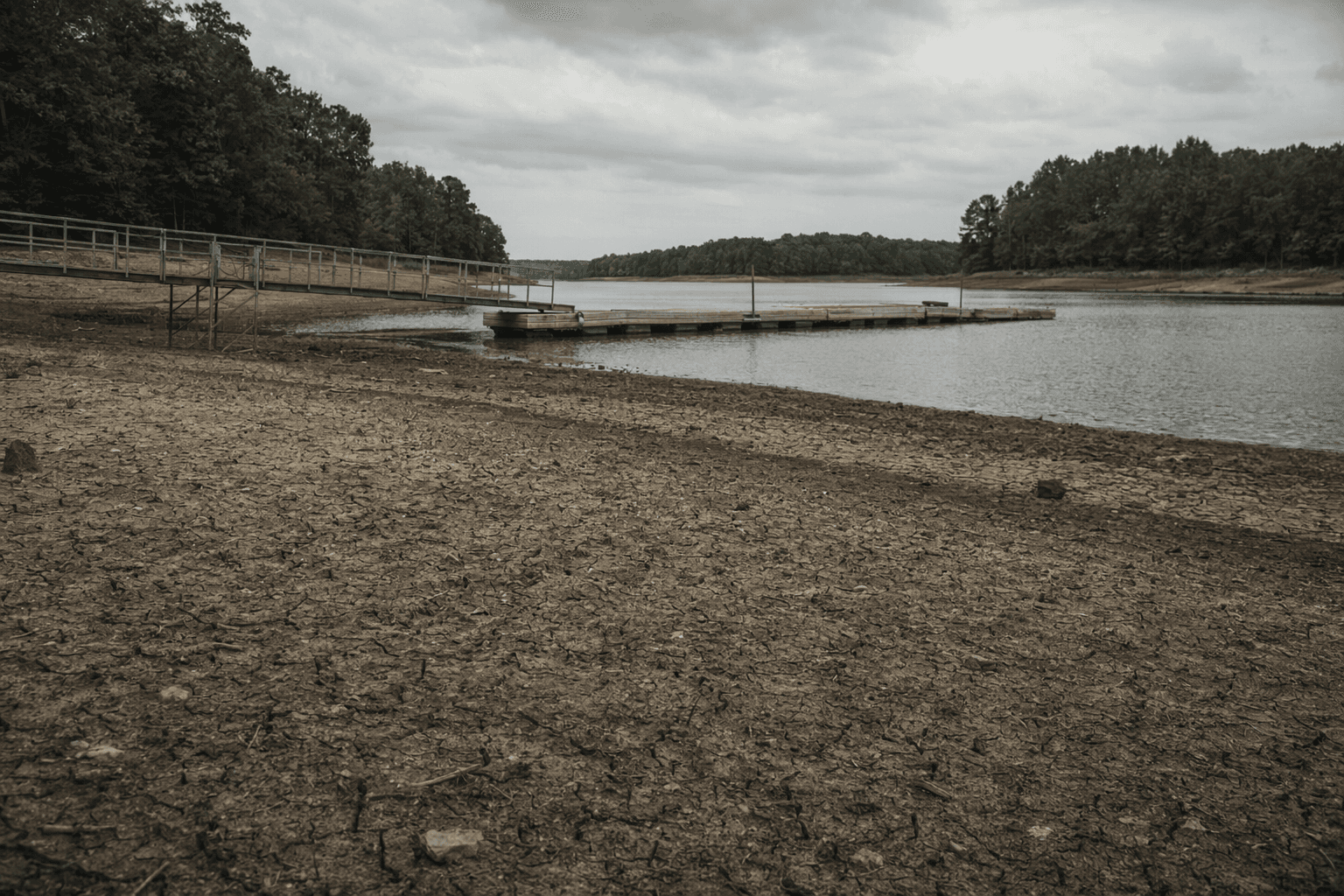
The Georgia Environmental Protection Division declared the Level 1 response on April 27 for every county in the state, including Forsyth, after considering drought severity and water-resource impacts. The agency uses precipitation, reservoir levels, streamflow and soil moisture to gauge drought conditions, and Forsyth County said many of those indicators have been below average since October 2025. County officials also said Forsyth is currently in Extreme Drought, or D3, which they described as the second-worst drought level in the state.
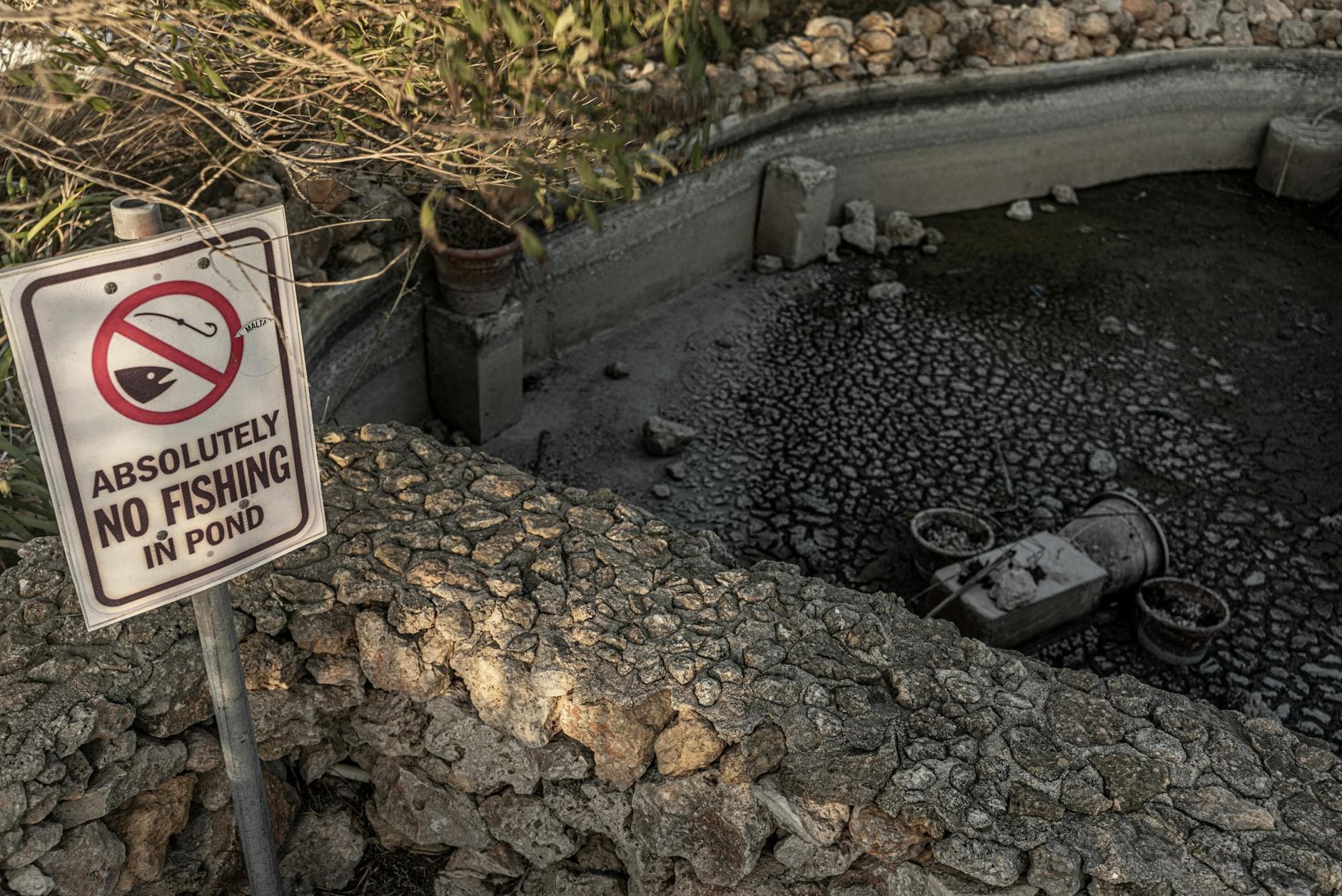
That local classification gives the advisory more weight than a routine conservation reminder. Forsyth County has been a WaterFirst community since 2010, a designation tied to water stewardship, planning and conservation, and county materials note that household water use typically peaks in spring and summer. For residents, the practical effects will show up first in the most ordinary places: a sprinkler running too long, a hose left on during car washing, a leak under a sink, or a higher bill that reflects wasted water instead of necessary use.
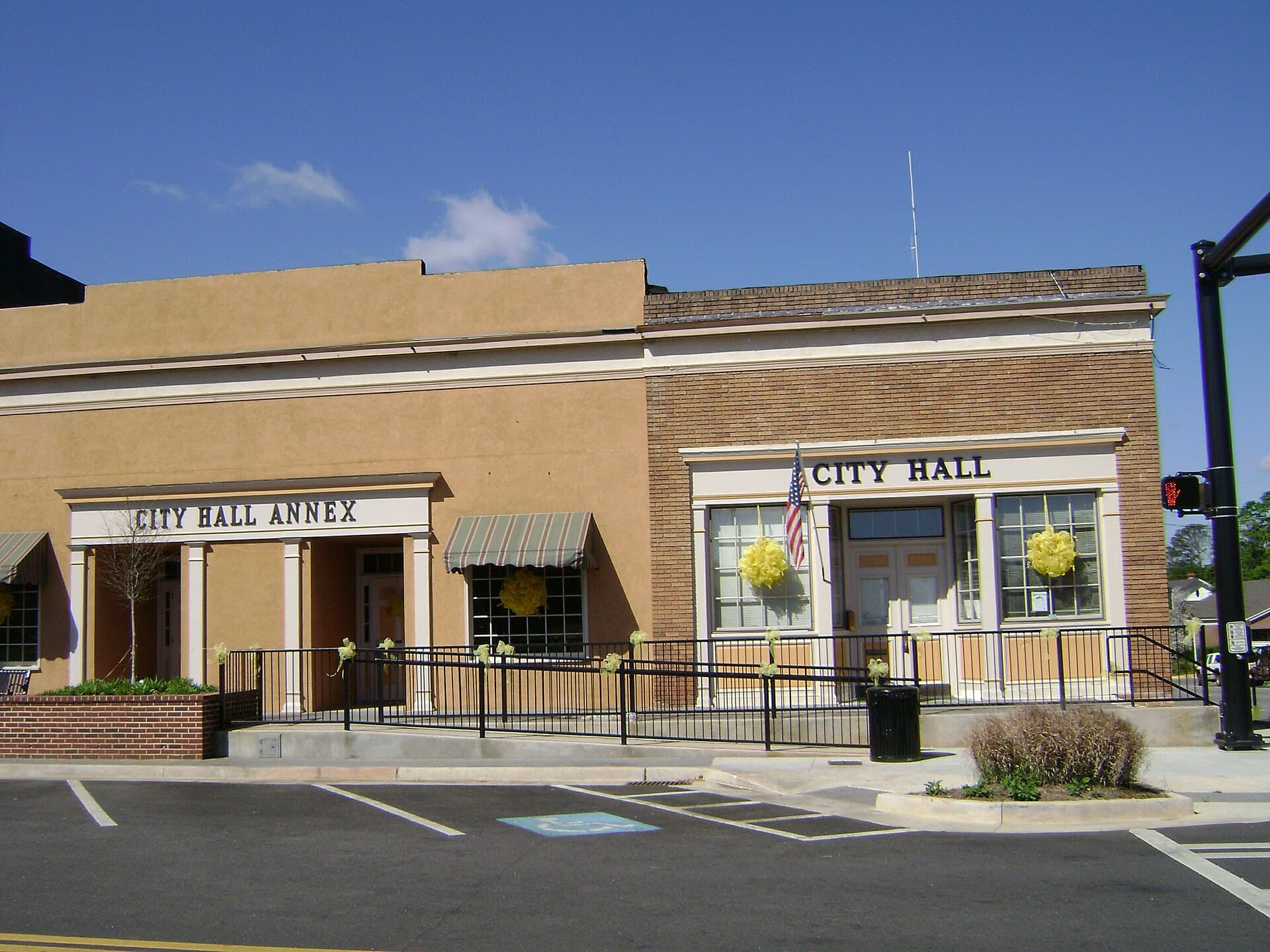
State officials have also signaled what could come next if dry conditions worsen. A Level 2 drought response would narrow landscape watering to two days a week based on odd and even addresses and would prohibit uses such as washing streets and sidewalks, non-commercial pressure washing, vehicle washing, fire-hydrant use except for firefighting and public safety, and fundraising car washes. For now, Forsyth County’s message is a warning to conserve before the drought pushes local life into tighter limits.
This article was produced by Prism’s automated news system from verified source data, official records, and press releases, then run through automated quality and moderation checks before publishing. The system is built and supervised by the people who set the standards it runs under. Read our full AI policy.
Did this article answer your question?