Forsyth County weighs growth, roads and services in 2026 update
Forsyth County’s population is racing toward 285,499, and officials are under pressure to show whether roads, schools and utilities can keep up.
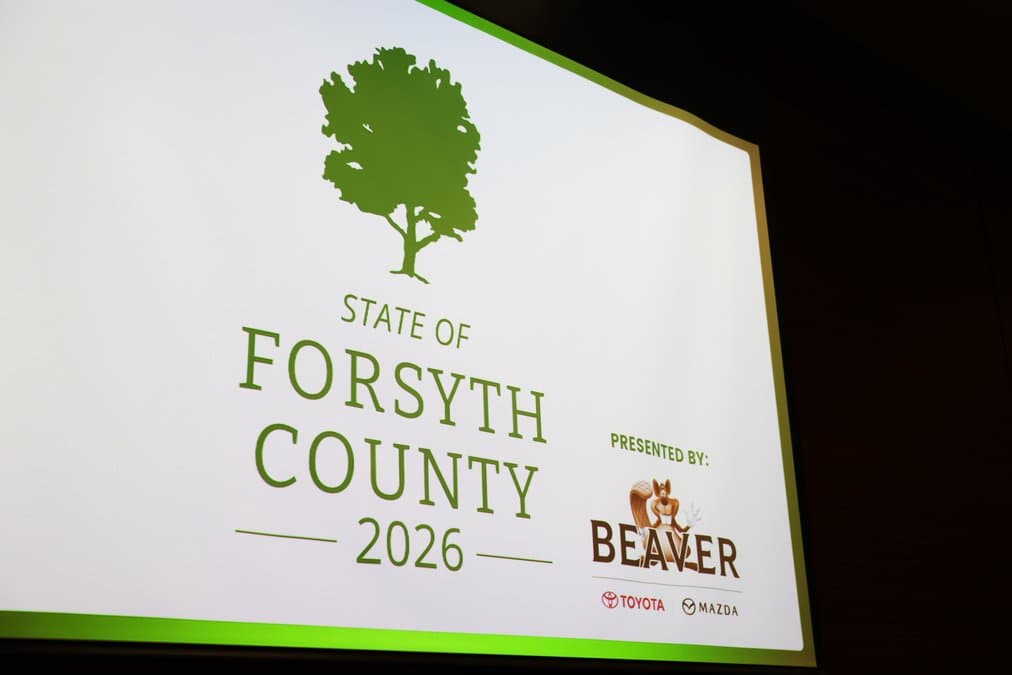
At Forsyth County’s 2026 State of the County address on Feb. 11, Chairman Alfred John and county leaders centered the update on planning, partnerships and progress. The county’s growth is now the daily backdrop for longer commutes, fuller classrooms and heavier demand on water, sewer and public safety systems.
Growth is still the county’s defining fact
Forsyth County had 251,283 residents in the 2020 Census, and the number keeps climbing. The county’s 2024 population estimate was about 267,287, and USAFacts put the 2025 total at about 282,800, making Forsyth the eighth-most populous county in Georgia and home to roughly 2.5% of the state’s population.
The 2020 Census showed Forsyth grew by 75,772 residents from 2010 to 2020, one of the largest numeric gains in Georgia. USAFacts estimated the county added about 4,000 residents between 2024 and 2025, with domestic migration driving the increase. Georgia Demographics projects Forsyth will reach 285,499 in 2026.
That growth has made Forsyth part of the fast-expanding exurban ring north of Atlanta, where highway access, suburban development and metro spillover have pushed the county into a different category of pressure. Every new subdivision, commercial node and school attendance zone change adds to the strain on roads, water lines, county facilities and the budget.
The county is trying to slow the collision between growth and infrastructure
Forsyth County government framed its 2026 State of the County theme as planning, partnerships and progress across the county, a slogan that reflects a practical problem: the county has to keep approving, funding and building at the same time. The county’s Capital Projects department oversees transportation, parks and recreation, facilities and water projects, which shows where the biggest operational burdens now sit.
The county reported a decrease in residential zonings following a moratorium on residential applications. Land use is now directly tied to infrastructure capacity, not treated as a separate planning issue. If the county is pulling back on some residential approvals, it suggests leaders are trying to slow the pace of growth until roads, utilities and public facilities can catch up.
Georgia law shapes county budget planning, and Forsyth’s capital pipeline will determine whether future growth is absorbed cleanly or handled piecemeal.
Schools remain one of the clearest pressure points
Forsyth County Schools sit at the center of the growth debate because every housing decision eventually lands in a classroom. The district is planning school construction, facility upgrades and budget needs, the practical response to steady enrollment pressure and the cost of keeping pace with new families.
That pressure is not just about the number of seats in a building. It also affects staffing, transportation routes, maintenance schedules and the pace of bond or capital planning. In a county where the population has jumped from 251,283 in 2020 to an estimated 282,800 in 2025, school capacity is one of the fastest ways residents feel growth in their own routines.
For parents, the issue is whether new buildings and upgrades arrive before crowding becomes routine. For taxpayers, it is whether the county and school district can finance growth without leaving major needs to stack up year after year. School construction and facilities remain ongoing obligations, not a one-time expansion.
What the next decisions will decide for daily life
The county’s next zoning decisions, capital project priorities and school funding choices will shape how Forsyth feels in practical terms. More transportation investment could ease pressure on key roads. More water and facility work could help the county support additional neighborhoods and businesses without bottlenecks. Slower residential zoning could buy time, but only if infrastructure keeps moving.
This article was produced by Prism’s automated news system from verified source data, official records, and press releases, then run through automated quality and moderation checks before publishing. The system is built and supervised by the people who set the standards it runs under. Read our full AI policy.
Did this article answer your question?