Forsyth County woman arrested after alleged theft from pet-sitting home
A Forsyth County woman was arrested after deputies said 18 items vanished from a home where she was hired to pet sit, then turned up in a search of her house.
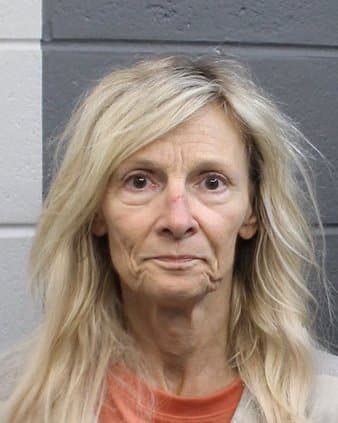
Cindy Love was arrested again after Forsyth County investigators said she stole 18 items from a home where she had been hired to stay overnight and care for pets. The case put a familiar local arrangement, letting someone into a home to watch animals, under a harsher light: once trust is broken, the loss feels bigger than the missing property.
The Forsyth County Sheriff’s Office said a homeowner hired Love in February to look after the pets. By early March, the homeowner noticed clothing missing from a closet and several River Bend Ranch steaks gone from the refrigerator. The missing items were reported to the sheriff’s office, and detectives later obtained a search warrant for Love’s home.

During that search, investigators recovered 18 stolen items and returned them to the victim, the sheriff’s office said. Love was then arrested again and charged with two counts of theft by taking. The alleged theft involved a private home, a familiar caregiver role and a list of missing items broad enough to suggest more than a one-off mistake.
The sheriff’s office said this was not Love’s first theft case. In 2024, she was arrested in connection with other theft investigations involving jewelry, handbags and clothing, and investigators said she would take the items and sell them to consignment shops. Those earlier cases were still moving through the court system when the sheriff’s office highlighted the latest arrest.
For Forsyth County homeowners, the practical lesson lands close to home. Pet sitters, house sitters and other temporary caretakers often get access to keys, alarm codes and interior rooms before anyone else is there to notice a problem. The sheriff’s office used the case to remind residents to verify credentials, use background-checked or ID-verified platforms, meet sitters in person, check references and trust their instincts before turning over access.
The safest setup is also the most ordinary one: document valuables before a sitter arrives, keep cash and jewelry out of sight, limit access to only the doors and rooms needed for the job, and use cameras where appropriate. In a county where many people rely on informal home-care arrangements, one arrest like this can change how quickly a homeowner hands over the keys.
This article was produced by Prism’s automated news system from verified source data, official records, and press releases, then run through automated quality and moderation checks before publishing. The system is built and supervised by the people who set the standards it runs under. Read our full AI policy.
Did this article answer your question?