Forsyth descendants scholarship golf tournament raises funds for reconciliation
A Monday golf tournament backed scholarships for descendants of families expelled in 1912, with nearly $450,000 already reaching students. The money is being cast as repair, not just charity.

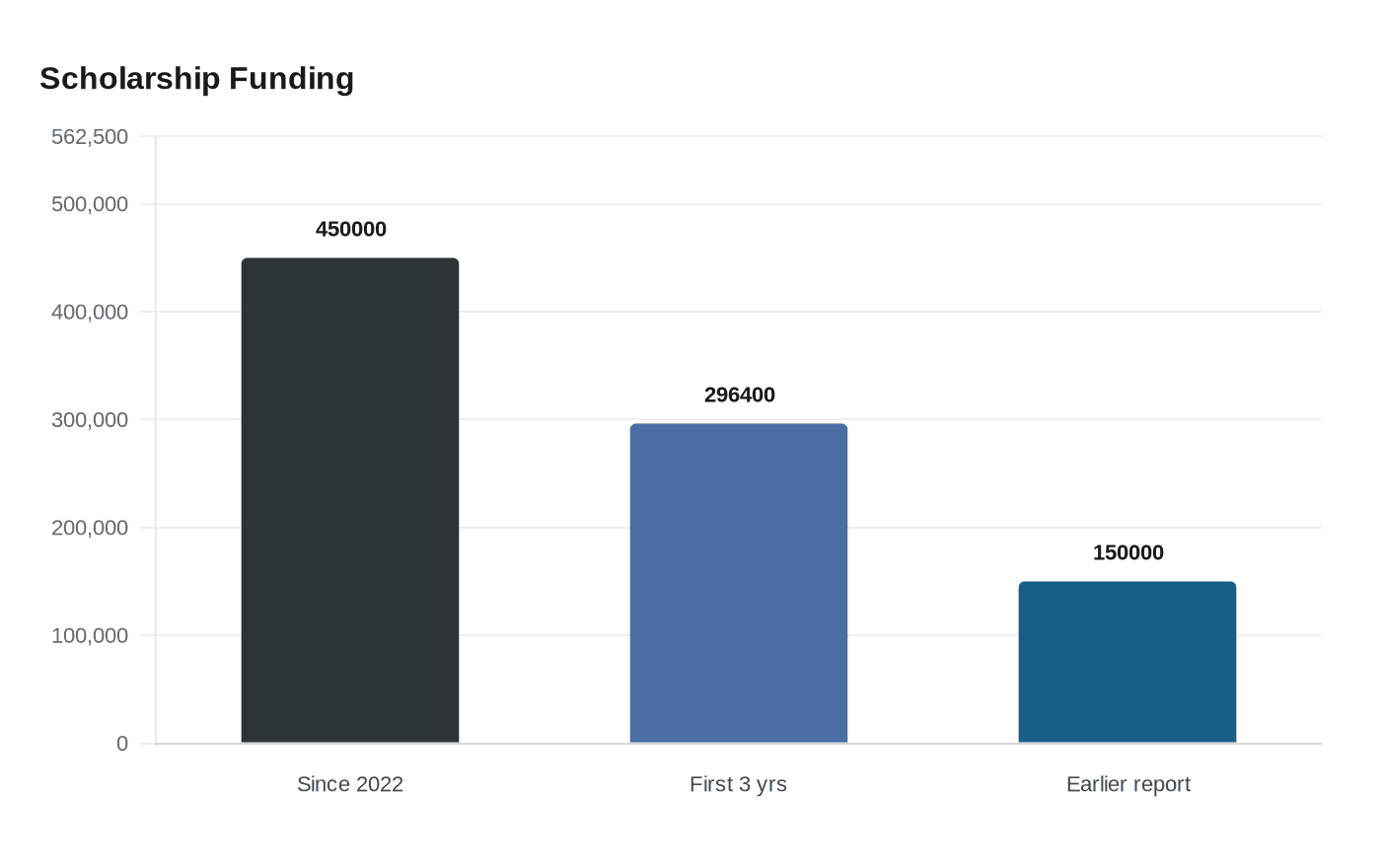
A Monday golf tournament helped keep alive one of Forsyth County’s clearest attempts at repair: a scholarship fund for direct descendants of Black residents driven out in 1912. The Forsyth Descendants Scholarship has now awarded nearly $450,000 to students since it launched in 2022, turning a round of golf into a local reckoning with history.
The scholarship was created by Forsyth church leaders and the Forsyth County Ministerial Association and can provide up to $10,000 a year for four years. Organizers describe it as an act of love and support for descendants, not a formal reparations program, but its purpose reaches directly back to the violence that remade this county more than a century ago.
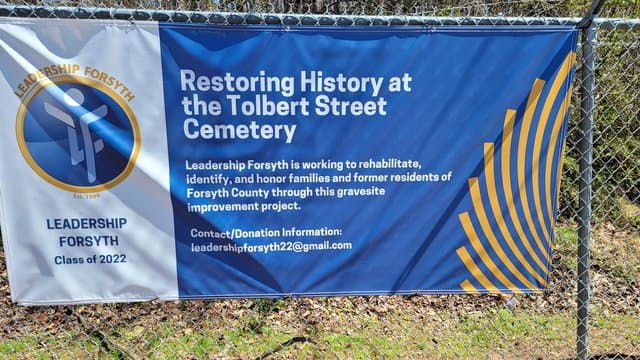
In 1912, after the rape and murder of white resident Mae Crow, white residents terrorized Black Forsythians, lynched Rob Edwards and forced more than 1,000 Black residents to flee. Families left behind homes, property, churches, schools and cemeteries. The scholarship effort is tied to that loss, and to the long gap that followed, as the county remained virtually all white until the 1980s.
The foundation behind the program said the fund has distributed $296,400 to 20 recipients in its first three years. A separate report said more than $150,000 had already gone to 11 descendants earlier in the program. Those numbers matter because they show the scholarship is not symbolic alone. It is helping students pay tuition, stay enrolled and build a foothold in higher education that many families lost when they were expelled from Forsyth County generations ago.
The Atlanta History Center has traced displaced families through census records, marriage licenses, death certificates and draft registrations, helping descendants piece together family lines that were nearly erased. At the same time, the Forsyth Historical Society has worked with local school officials to include the 1912 purge in the history curriculum, broadening the effort beyond financial aid alone.
That wider repair is still unfinished. The golf tournament, held annually to support the scholarship, reflects how Forsyth County is trying to reckon with what was taken and what can still be restored. For descendants, the question is no longer whether the county remembers 1912. It is whether memory will lead to lasting investment in the people whose families were forced out.
This article was produced by Prism’s automated news system from verified source data, official records, and press releases, then run through automated quality and moderation checks before publishing. The system is built and supervised by the people who set the standards it runs under. Read our full AI policy.
Did this article answer your question?