Forsyth Schools Detail Expanded Programs to Boost Early Reading
The Forsyth County School District on December 9 published a feature titled "Helping Young Readers Thrive" outlining classroom strategies, teacher led interventions, and community partnerships aimed at improving early reading. The item matters to local families because it maps resources for parents, signals district literacy goals, and raises questions about measurement, funding, and equitable access across schools.
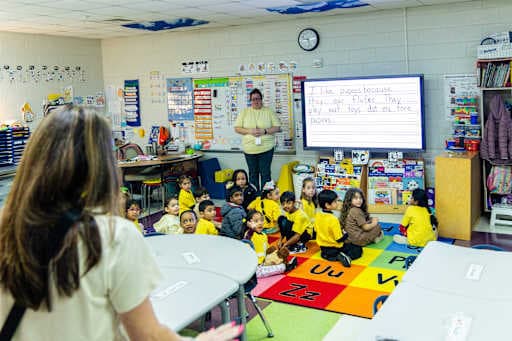
On December 9 the Forsyth County School District published a district feature titled "Helping Young Readers Thrive" authored by Holly Gay that highlighted programs and practices intended to lift reading engagement and achievement among young students. The piece described classroom and school level strategies, teacher led interventions, volunteer and community reading initiatives, and family partnerships that expand access to books and supports. It also pointed parents to district resources to reinforce reading at home and referenced district literacy goals and performance indicators.
The announcement lays out a multifaceted approach that includes classroom strategies and targeted interventions led by teachers, supplemented by volunteers and community groups that bring books and reading time into schools and neighborhoods. For parents the feature identifies pathways to support early reading at home and signals where the district is concentrating efforts. For policy makers and taxpayers the release underscores the need to track whether these programs produce measurable gains on the performance indicators the district cites.
The district has framed early literacy as a priority, but the public interest centers on accountability and equity. Measuring progress requires timely, disaggregated data at the school and grade level so the community can see where gaps persist and which interventions are producing results. Reliance on volunteers and community partners can expand reach, but it does not replace sustained district investment in staffing, training, and materials. Funding and board level decisions will determine how widely the district can scale successful practices.

Local impact will vary by neighborhood and school. Families in areas with robust community partnerships may see faster gains in book access and engagement, while households in other parts of the county will need clear information on resources and supports. Voters and school board members who set budgets and priorities will play a decisive role in whether the district moves from promising practices to demonstrable improvements in reading proficiency. Residents have reason to follow school board hearings and budget discussions to ensure the district publishes clear outcome data and explains how resources are being allocated to meet its literacy goals.
This article was produced by Prism’s automated news system from verified source data, official records, and press releases, then run through automated quality and moderation checks before publishing. The system is built and supervised by the people who set the standards it runs under. Read our full AI policy.
Did this article answer your question?