GA 400 express lanes project breaks ground, bringing relief to Forsyth County
Forsyth County drivers will see years of lane shifts before early 2031 relief. The $11 billion GA 400 project is now moving from tree clearing to heavy construction.

Forsyth County commuters will not feel relief on GA 400 overnight. What they will notice first is years of construction along one of metro Atlanta’s most congested corridors, beginning with tree clearing and then heavy work expected to ramp up across the 16-mile route before the new lanes open in early 2031.
Work on the GA 400 express lanes project officially got underway in Alpharetta on April 22, 2026, marking the start of a public-private partnership valued at $11 billion. The project will rebuild SR 400 from the North Springs MARTA Station in Fulton County to just north of McFarland Parkway in Forsyth County, adding two express lanes in each direction between North Springs and McGinnis Ferry Road, then one express lane in each direction from McGinnis Ferry Road to McFarland Parkway.
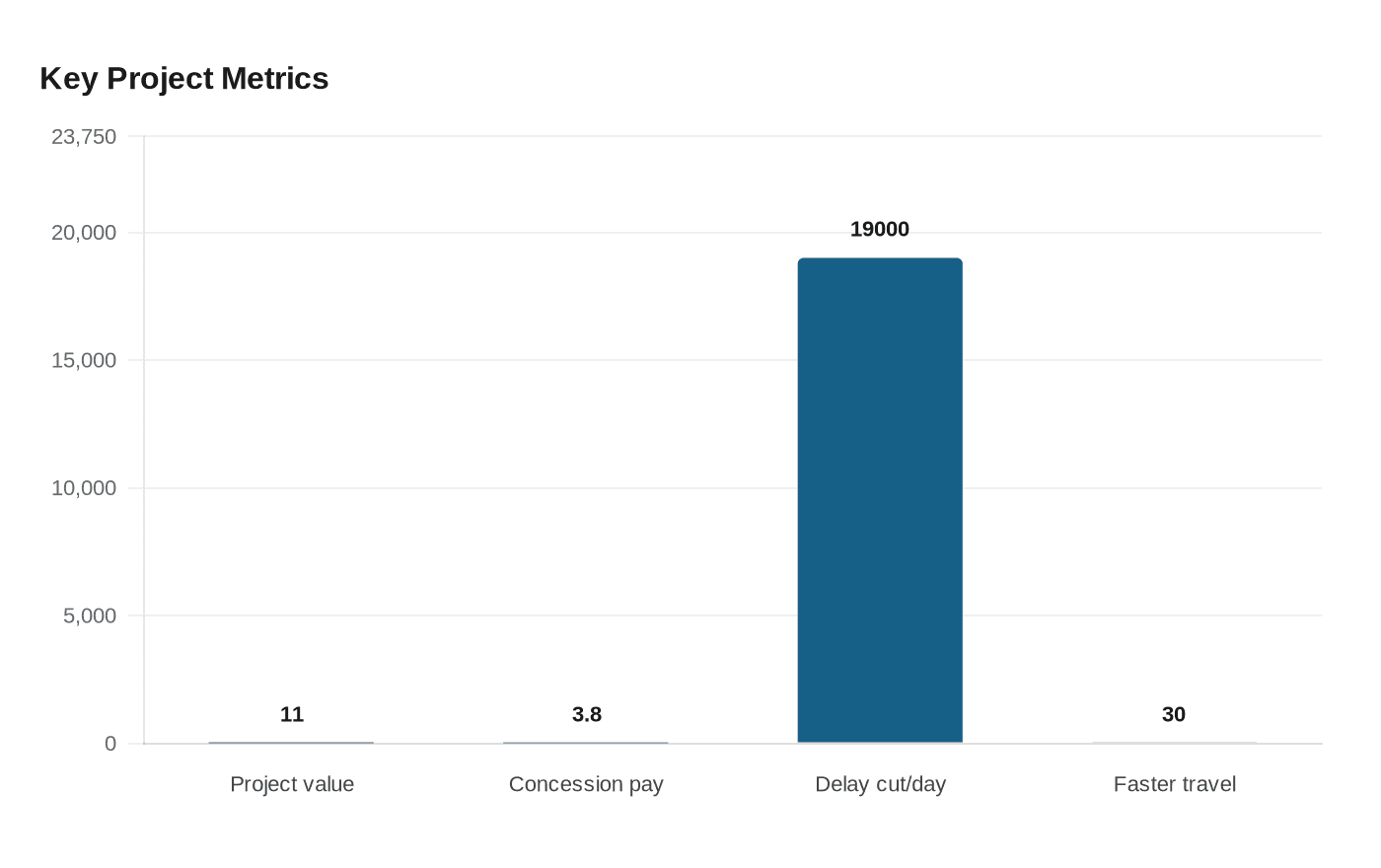
For Forsyth drivers, the payoff is being sold in hard numbers. Georgia Department of Transportation says express-lane travel could run up to 30% faster than general-purpose lanes during peak periods and cut more than 19,000 hours of commuter delay each day. But that benefit is still nearly five years away, and the route will stay under construction while crews clear trees, shift traffic patterns, and rebuild the corridor piece by piece.
The project agreement between the State Road and Tollway Authority and SR 400 Peach Partners, LLC, was dated Nov. 13, 2024. SRTA’s fiscal year 2025 audit said the project reached financial close on Aug. 15, 2025, after the private partner paid a $3.8 billion concession payment in exchange for 50 years of toll revenue. The project is being delivered under a design-build-finance-operate-maintain model, unlike Georgia’s existing express lanes on I-85 and I-75.
State transportation leaders say the new lanes are intended to tie into the planned I-285 Top End Express Lanes and create a more seamless regional toll network. GDOT also said the project will support bus rapid transit through Express Lanes Transit, including MARTA service, with buses and state-registered vanpools able to use the lanes at no cost. The broader transit plan includes future MARTA bus stations near Holcomb Bridge Road and North Point Mall.
Transportation Commissioner Russell McMurry has framed the work as a long-term investment that will reshape the corridor for the next 50-plus years. For Forsyth County commuters, the short-term reality is simpler: years of construction ahead, and only later, a faster trip south when the new lanes finally open.
This article was produced by Prism’s automated news system from verified source data, official records, and press releases, then run through automated quality and moderation checks before publishing. The system is built and supervised by the people who set the standards it runs under. Read our full AI policy.
Did this article answer your question?