Georgia warns Forsyth County to wash produce amid cyclosporiasis outbreak
Georgia health officials warned Forsyth County shoppers to wash produce carefully as cyclosporiasis cases climbed nationwide and June infections in Georgia topped recent norms.

Georgia health officials urged people to take extra care with fresh fruits and vegetables as a multistate cyclosporiasis outbreak pushed domestic case counts higher across the country. The Georgia Department of Public Health was not aware of any Georgia-specific outbreaks, clusters or links to the national outbreak, but June case counts in Georgia ran above the state’s usual recent range and July cases were already being logged.
Cyclosporiasis is caused by the microscopic parasite Cyclospora and spreads through contaminated food or water, not from person to person. The illness can bring watery diarrhea, explosive bowel movements, bloating, cramping and loss of appetite, and symptoms can last from a few days to more than a month. Symptoms may fade and then return, and dehydration can become serious enough to require hospitalization.
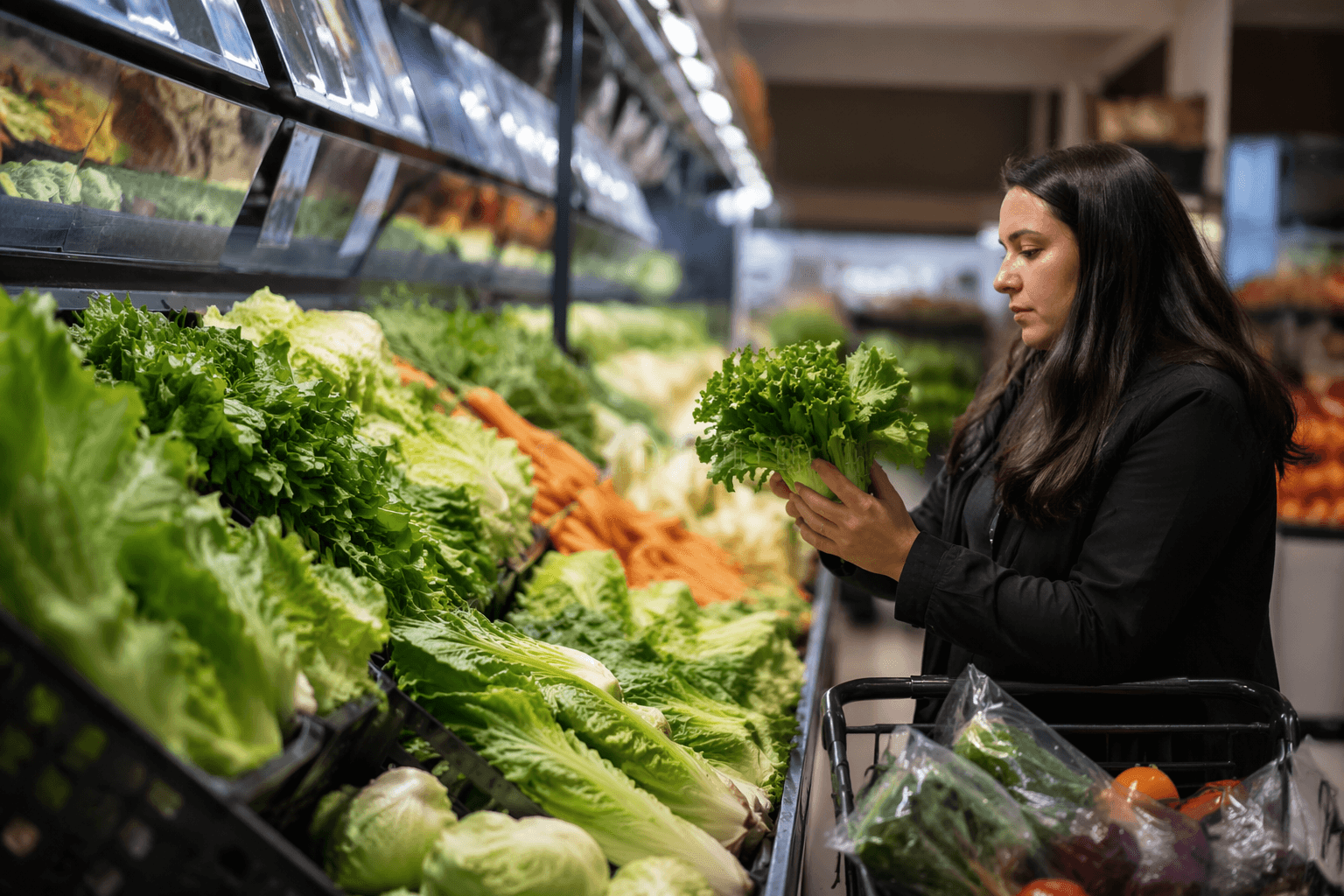
The Centers for Disease Control and Prevention had received reports of 1,645 confirmed domestic cases since May 1 and was reviewing more than 5,100 additional reports. As of July 13, the agency counted 141 hospitalizations and no deaths, with cases reported in 34 states. The CDC will publish cyclosporiasis surveillance data more often than in past seasons because of the sharp increase, and the typical season runs from May 1 through August 31.
At a July 14 briefing, the CDC said multiple outbreaks were under investigation, including a large one in at least four Midwestern states, but investigators had not yet identified a specific food source. Past cyclosporiasis outbreaks have been tied to produce such as cilantro, basil, leafy greens and raspberries.

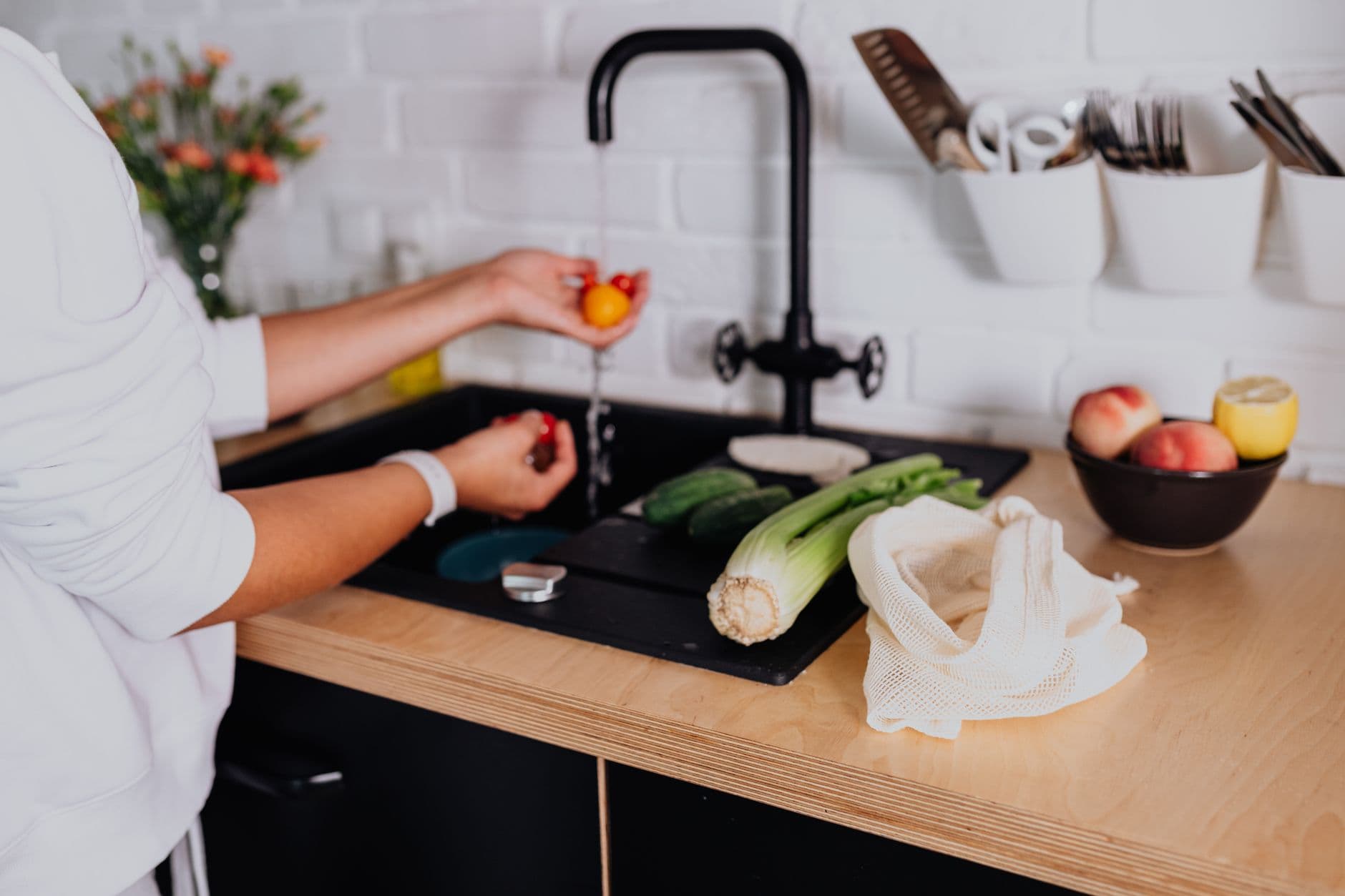
Wash hands with soap and water before and after handling produce, rinse fruits and vegetables under running water before eating, cutting or cooking them even if the package says pre-washed, and scrub firm produce such as melons and cucumbers with a clean brush. Cut away bruised or damaged spots, and refrigerate cut, peeled or cooked produce within two hours.
People who develop watery diarrhea, cramping, bloating or signs of dehydration should pay close attention, especially if symptoms linger or return after seeming to improve. Most domestically acquired cases in Georgia are usually associated with international travel.
This article was produced by Prism’s automated news system from verified source data, official records, and press releases, then run through automated quality and moderation checks before publishing. The system is built and supervised by the people who set the standards it runs under. Read our full AI policy.
Did this article answer your question?